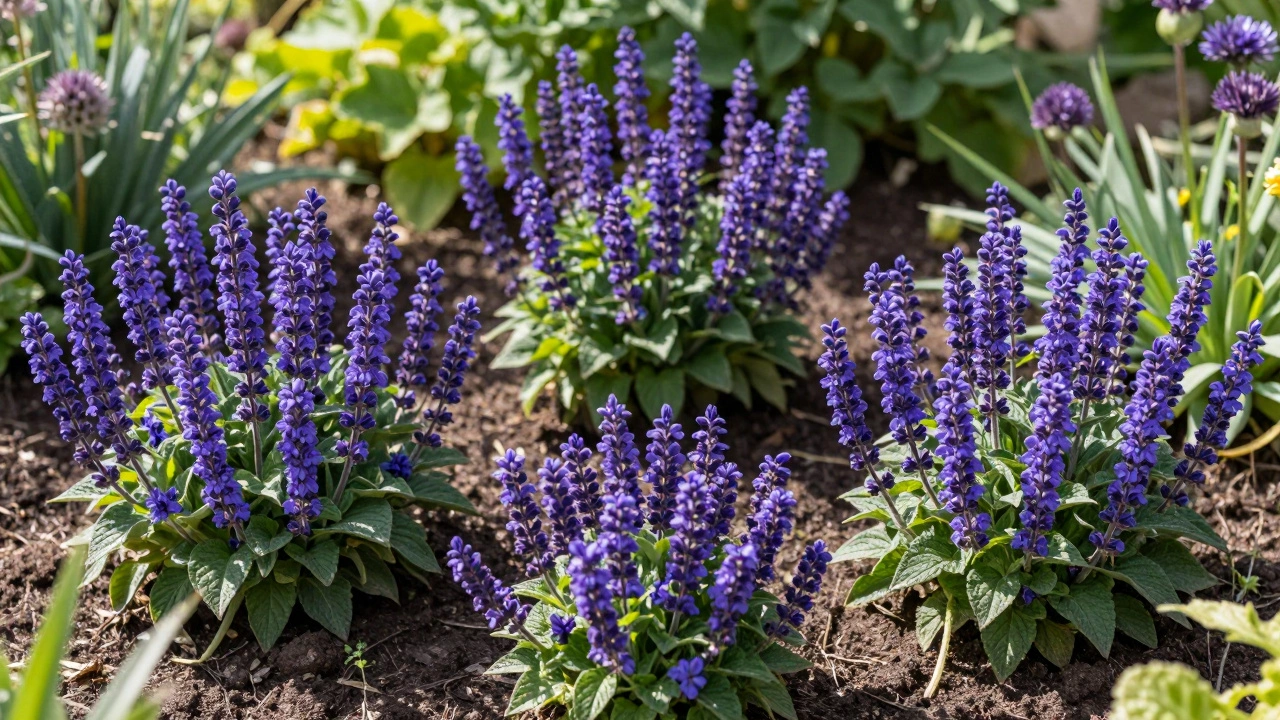
Garden Grouping Visualizer
Analysis: Balanced & Natural
A group of three creates a natural hierarchy. One plant acts as a focal point while the others support it, mimicking organic growth patterns found in nature.
Have you ever walked past a neighbor’s flower bed and thought it looked chaotic? Or maybe you’ve arranged your own pots, stepped back, and felt something was just... off? It’s not always about picking the wrong plants. Often, the issue is how many of them you’re using. This is where the Rule of Three comes in. It is one of the simplest yet most powerful secrets in garden design. By grouping plants in odd numbers-specifically threes-you create visual interest that feels natural, balanced, and intentional.
The human brain prefers odd numbers. Even numbers can look static, like soldiers standing at attention. Odd numbers, especially three, suggest movement and growth. They mimic nature, which rarely produces perfect symmetry. When you apply this rule, you stop fighting against natural aesthetics and start working with them. You don’t need a degree in horticulture to use it. You just need to understand why it works and how to execute it without making your garden look cluttered.
Why Odd Numbers Work Better Than Evens
Let’s talk about perception. When you place two identical plants side by side, they create a sense of formality. That’s fine for a manicured estate or a corporate lobby, but it often feels stiff in a home garden. Two items compete for attention equally, creating a visual tug-of-war. Your eye doesn’t know where to rest.
Now, add a third plant. Suddenly, the dynamic changes. One plant becomes the focal point, while the other two support it. This creates a hierarchy. Your eye naturally moves across the group rather than stopping dead in the middle. This principle isn’t limited to gardening; it’s used in photography, interior design, and even fashion. In landscaping, it translates to beds that feel lush and abundant rather than sparse or rigid.
Think about wildflowers in a meadow. Do they grow in pairs? No. They cluster in groups of three, five, or seven. The Rule of Three mimics this organic randomness. It tricks the viewer into seeing abundance. A single stake of lavender looks lonely. Three stakes look like a patch. Five stakes look like a field. The goal is to achieve that "patch" effect without actually planting a field.
How to Apply the Rule of Three in Small Spaces
You might be thinking, "I only have a tiny balcony." Does the rule still apply? Absolutely. In fact, it’s even more critical in small spaces because every square inch counts. Clutter kills small gardens faster than bad soil does. Grouping helps define zones.
Start with containers. If you have three window boxes, treat them as a single unit. Plant the same species in all three to create rhythm. Alternatively, if you have one large planter, divide it mentally into sections. Place three tall grasses on one side, three trailing ivy vines spilling over the edge, and three bright annuals in the center. This creates depth. Without grouping, those nine plants would look like random debris scattered in a pot.
For patio furniture arrangements, the rule applies too. Don’t place a single chair alone. Group three chairs around a small table, or arrange three potted plants near a seating area to frame the space. This makes the area feel inviting and complete. It signals to anyone walking by that this is a finished, thoughtful space, not an afterthought.
- Container Grouping: Use three pots of varying heights (tall, medium, short) placed close together to create a tiered display.
- Vertical Layering: In a raised bed, plant three specimens of a background shrub, three mid-layer perennials, and three foreground ground covers.
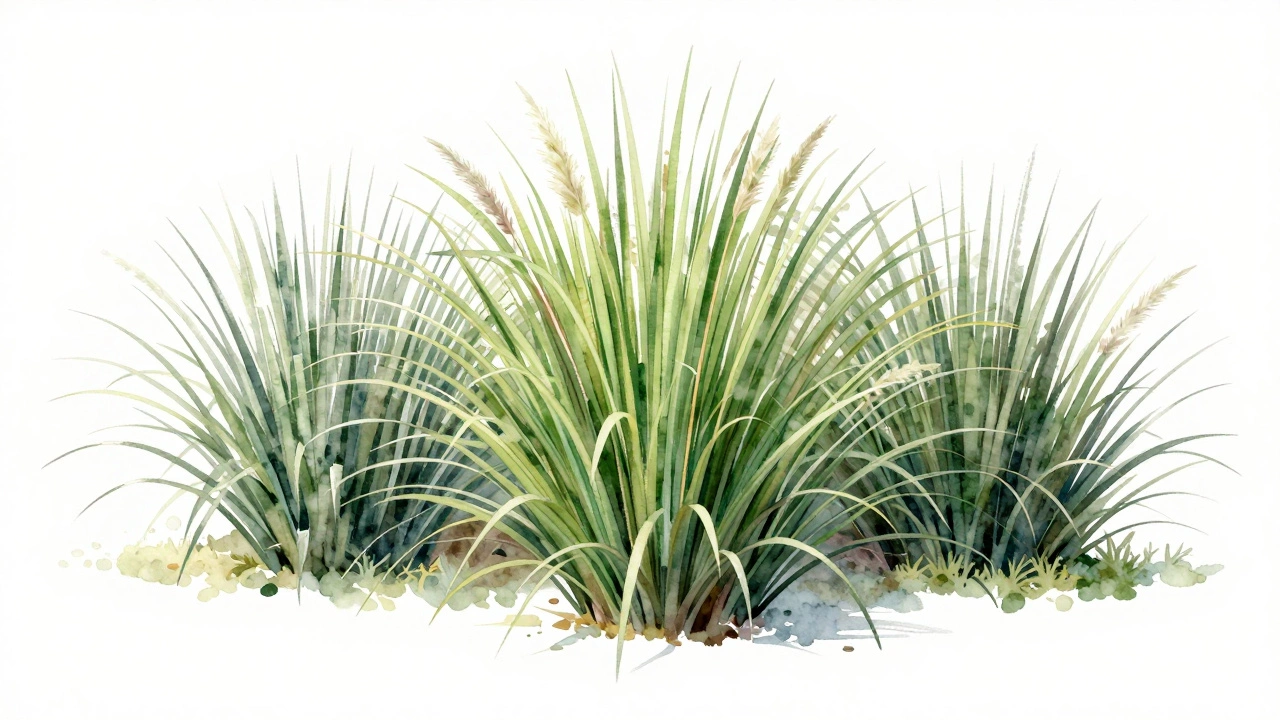
- Pathway Edging: Line a walkway with three distinct clusters of ornamental grasses instead of one long, monotonous row.

Choosing Plants for Effective Groupings
Not all plants work well in groups of three. The key is repetition. If you group three completely different flowers, you haven’t applied the Rule of Three; you’ve just planted three things. To make the rule visible, the items in the group must share characteristics. This could be color, texture, shape, or species.
Consider color blocking. Pick a dominant color for your season, say deep purple. Plant three stalks of Salvia nemorosa, three heads of Allium, and three sprigs of Heuchera with purple foliage. Because the color is consistent, the eye sees a cohesive block of purple. The variation in height and texture adds interest within that block. If you mixed purple, yellow, and red in those three spots, the unity breaks, and the visual impact diminishes.
Texture is another powerful tool. If your garden is mostly soft, leafy greens, introduce three clumps of sharp, spiky ornamental grasses like Miscanthus or Stipa. The contrast draws attention. The repetition of the spiky texture in three locations anchors the design. It tells the viewer, "This is intentional." Without the repetition, a single clump of grass might get lost among the leaves.
| Plant Type | Visual Role | Best Grouping Strategy |
|---|---|---|
| Ornamental Grasses | Structure & Movement | Group by species to emphasize sway and texture |
| Bulbs (Tulips/Daffodils) | Seasonal Color Pops | Plant in tight clusters of 3-5 for maximum impact |
| Shrubs | Framework & Height | Space three shrubs evenly to define borders |
| Annuals | Filler & Brightness | Use three varieties of the same color family |
Avoiding Common Mistakes with Plant Spacing
One of the biggest errors beginners make is spacing their groups too far apart. If you plant three roses, but they are ten feet apart, they don’t form a group. They become isolated individuals. For the Rule of Three to work, the items must be close enough that the eye perceives them as a single unit from a distance.
How close is close enough? It depends on the mature size of the plant. A good rule of thumb is to leave no more than half the mature width of the plant between each specimen. For small perennials, this might mean six inches apart. For large shrubs, it could be several feet. The goal is to allow them to grow together so that eventually, they merge visually. This creates mass. Mass is what gives a garden weight and presence.
Another mistake is forcing the rule where it doesn’t belong. Not every corner of your garden needs a trio. Sometimes, a single striking specimen tree deserves to stand alone. Using the Rule of Three everywhere can make a garden feel repetitive and boring. Use it to anchor key areas: entrances, focal points, and transitions between zones. Let other areas breathe with looser, more naturalistic plantings.
Scaling Up: From Threes to Fives and Sevens
While three is the magic number, it’s not the only odd number. As your garden grows, you’ll find that larger beds require larger groups to maintain proportion. A vast lawn bordered by only three small bushes will look skimpy. Here, you scale up to fives, sevens, or even nines. The principle remains the same: odd numbers create dynamism.
When scaling up, think in layers. Instead of one big group of seven, try a group of three in the front, two behind them, and two more further back. This staggered approach adds depth. It prevents the group from looking like a flat wall of green. It also allows sunlight to reach all the plants, which is crucial for health. Dense packing without regard for light penetration leads to disease and weak growth.
Remember that "three" can also refer to types, not just quantities. You can have three different types of plants arranged in a drift. For example, a drift of Hostas, backed by a drift of Ferns, backed by a drift of Astilbe. Each drift contains multiple plants, but there are three distinct layers. This is known as the "thrill, fill, spill" method in container gardening, which is essentially the Rule of Three applied vertically.
Maintaining the Look Over Time
Gardens change. Plants grow, die back, and bloom at different times. Maintaining the visual integrity of your trios requires some foresight. Choose plants with similar maintenance needs. If one plant in your trio needs constant watering and the others are drought-tolerant, you’ll struggle to keep them all healthy. Uneven growth ruins the symmetry and balance you worked hard to create.
Pruning is essential. If one plant in a group of three starts growing taller or wider than the others, it disrupts the visual harmony. Regular pruning keeps the shapes uniform. This is especially important for shrubs and hedges. A quick trim in spring can restore the clean lines that make the Rule of Three effective.
Also, consider seasonal changes. What looks like a beautiful trio in summer might look like a gap in winter if the plants lose their foliage. Incorporate evergreens into your groups. If you have three deciduous shrubs, ensure at least one has interesting bark or winter structure, or pair them with an evergreen ground cover. This ensures your design holds up year-round, not just during peak bloom.
Can I use the Rule of Three with different colored flowers?
Yes, but it requires careful planning. If you use different colors, ensure they are harmonious, such as analogous colors (blue, purple, violet). Random contrasting colors in a group of three can look chaotic. A safer approach is to group by color first, then vary the texture or height within that color group.
Does the Rule of Three apply to vegetable gardens?
Absolutely. While vegetable gardens prioritize yield, aesthetics still matter for enjoyment. Planting tomatoes, peppers, and basil in groups of three improves pollination efficiency and makes harvesting easier. It also creates a cleaner, more organized look, reducing the feeling of weeds overtaking the space.
What if I only have two plants left?
Don't force a third if it doesn't fit. Two plants can work if they are spaced widely to create a formal axis, or if they are part of a larger pattern. However, if possible, buy a third plant to complete the group. It’s better to wait for the right plant than to compromise the design with a mismatched filler.
Is the Rule of Three strictly about quantity?
No. It can also apply to elements like lighting, hardscaping, or water features. For example, placing three lanterns along a path, or designing a patio with three distinct seating zones. The principle is about creating rhythm and balance through repetition of any design element.
How does the Rule of Three differ from the Rule of Odds?
They are essentially the same concept. The "Rule of Odds" is the broader term used in art and design, stating that odd numbers are more visually appealing. The "Rule of Three" is the specific application of this rule using the number three, which is considered the smallest number needed to create a pattern or group.