British Garden Structure Selector
Confused by the terminology? Select the features of your ideal growing space below to discover what it is actually called in England.
You walk into a garden center in Kent or browse an online listing for a new growing space in Manchester. You see the word greenhouse. It’s familiar. But then you read about the Royal Botanic Gardens at Kew, and suddenly everyone is talking about "glasshouses." Or maybe you’re looking at a plastic-covered structure on a farm near Norwich and the sign says "polytunnel." It’s enough to make your head spin. If you’ve ever wondered what these structures are actually called across the United Kingdom, you aren’t alone. The language of gardening in England can be surprisingly specific, often depending on whether you are a casual hobbyist, a commercial grower, or a historian.
The Short Answer: It’s Still a Greenhouse
If you ask a random person on the street in London what they call that heated room where tomatoes grow in winter, they will almost certainly say "greenhouse." That is the standard, everyday term used by 90% of home gardeners across England, Scotland, Wales, and Northern Ireland. It works just fine for most situations. However, if you dig a little deeper into British horticulture, you’ll find that "greenhouse" is actually a bit of a catch-all term. There are more precise names that describe exactly what the structure is made of, how it functions, and who built it.
For example, if you visit a large-scale agricultural site, you won’t hear many people saying "greenhouse." They’ll use different words entirely. This isn’t just pedantry; it helps buyers and growers understand the scale and purpose of the building before they even step inside. Let’s break down the actual vocabulary used in English horticulture today.
Glasshouse: The Traditional British Term
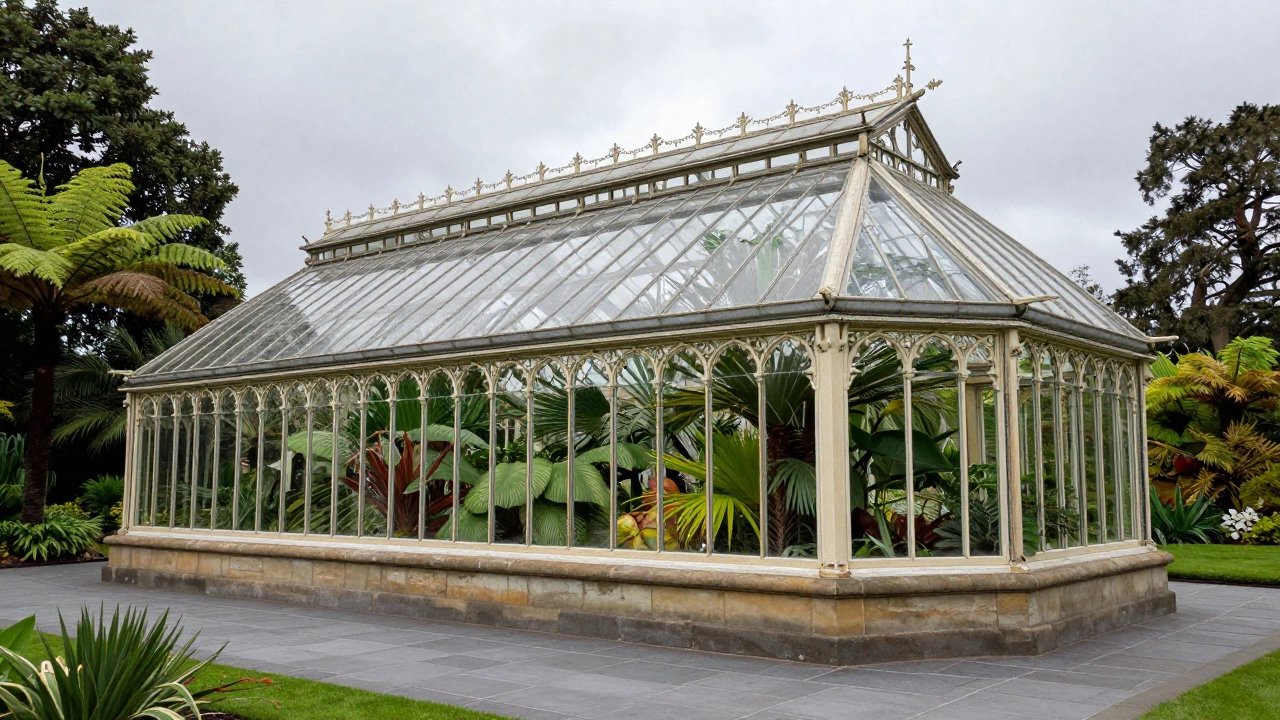
In England, especially when discussing heritage sites or high-end horticulture, you will frequently encounter the term glasshouse. While "greenhouse" implies a general function, a glasshouse specifically refers to a structure with a rigid frame-usually iron, steel, or aluminum-and glazed panels rather than polycarbonate sheets or plastic film.
This distinction matters because glass has been the material of choice for serious British gardening since the Victorian era. When Queen Victoria commissioned the Palm House at Kew Gardens in 1848, it was described as a glasshouse. Today, if you buy a premium, traditional-style frame from brands like Ransomes or Palram (the glass versions), you might still refer to it as a glasshouse, though "greenhouse" remains dominant in retail.
Why do some Brits prefer "glasshouse"? It sounds sturdier. It evokes images of conservatories, botanical gardens, and permanent fixtures. If you are restoring a Victorian property in Bath or Bristol, calling your new addition a "glasshouse" signals architectural intent. Calling it a "greenhouse" signals utility. For the average gardener in Leeds, however, the difference is negligible-they both keep the rain off their basil plants.
Polytunnels: The Workhorse of Modern UK Agriculture
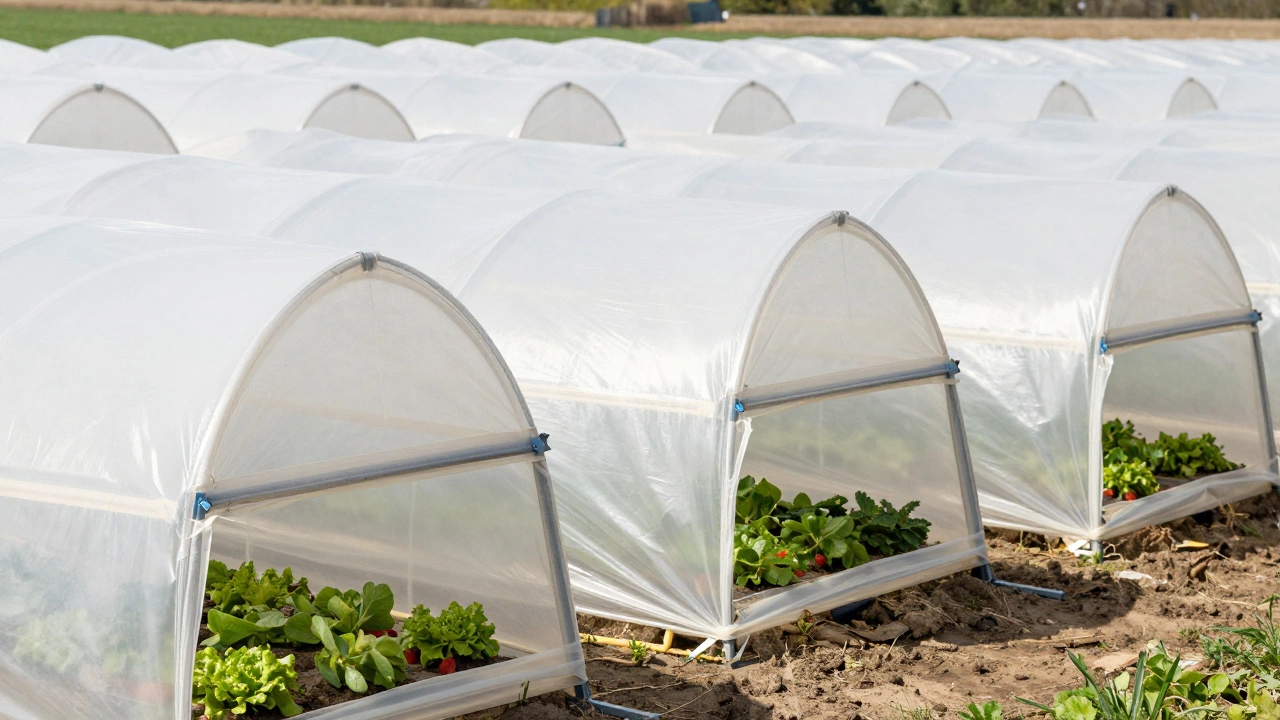
If you drive through the countryside in East Anglia or the West Midlands, you will see vast rows of white, tunnel-like structures covering fields. These are not greenhouses in the traditional sense. In England, these are universally known as polytunnels. A polytunnel is a semi-circular structure covered with heavy-duty polyethylene plastic sheeting, designed primarily for commercial crop production rather than ornamental gardening.
The term comes from "polyethylene," the plastic material used for the cladding. Unlike a greenhouse, which usually has solid walls and a distinct roofline, a polytunnel is often open-ended or partially vented along the sides to allow for air circulation. They are cheaper to build, easier to install, and perfect for growing vegetables like lettuce, carrots, and strawberries on a large scale.
Home gardeners in the UK are increasingly adopting polytunnels too. If you have a large backyard in Yorkshire and want to extend your growing season without the cost of a full glass structure, you might install a "mini-polytunnel" or a "cloche." Interestingly, while Americans often use the term "high tunnel" for these structures, this phrase is rarely used in England. Stick to "polytunnel," and you’ll sound like a local expert.
Cloches and Cold Frames: The Small-Scale Solutions
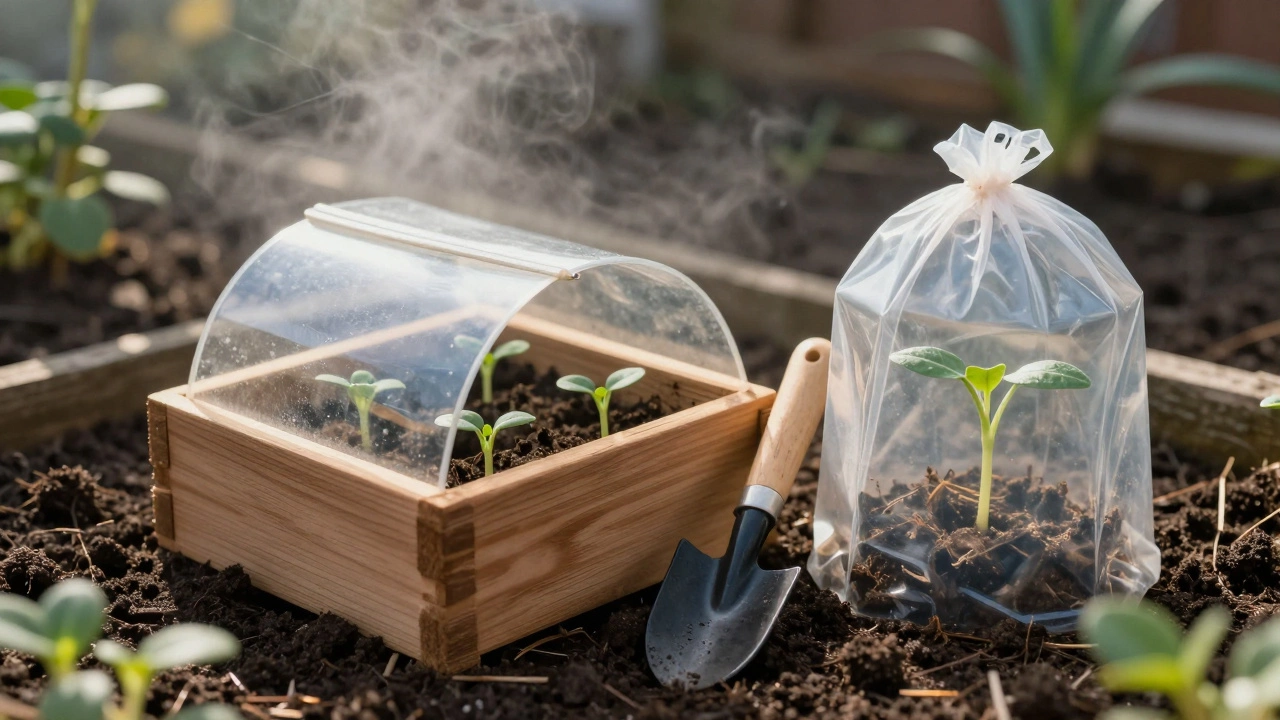
Not every protected growing space in England is big enough to walk into. For smaller setups, the terminology shifts again. If you place a bell-shaped cover over individual seedlings, you are using a cloche. Historically, these were made of glass, but modern cloches are often made of clear plastic or even recycled bottles. The term "cloche" is French for "bell," and it stuck in British gardening jargon because it perfectly describes the shape.
Another common term you’ll hear, particularly among older gardeners or those practicing traditional methods, is cold frame. A cold frame is a low, box-like structure with a transparent lid, placed directly on the ground. It doesn’t have walls high enough to stand in. Instead, it uses the heat from the earth and sunlight to protect young plants from frost. You’ll find references to cold frames in classic British gardening books by authors like Alan Titchmarsh or Monty Don. They are essential tools for hardening off plants before planting them outside.
Conservatory: When Gardening Meets Living Space
Here is where things get tricky. Many people in England confuse greenhouses with conservatories. Technically, they are different. A conservatory is a living space attached to a house, designed for human comfort first and plant growth second. It has heating, insulation, and furniture. A greenhouse is designed for plants first and humans second. It gets hot, humid, and uncomfortable for long periods. However, in casual conversation, the lines blur. If someone in Surrey has a sunroom filled with orchids and ferns, they might casually refer to it as their "indoor greenhouse," even though it’s technically a conservatory. Understanding this distinction is important if you are planning a build. Building regulations in the UK treat conservatories differently from greenhouses. A detached greenhouse under 30 square meters usually doesn’t require planning permission, whereas a conservatory attached to your home might trigger stricter rules regarding insulation and energy efficiency.
Regional Variations and Slang
While "greenhouse" is the national standard, regional slang does exist. In parts of Northern England, you might hear older farmers refer to large heated structures as "hot houses." This term is falling out of favor but still appears in historical contexts. Similarly, in Scotland, due to the colder climate, there is a stronger emphasis on "heated greenhouses" versus "unheated greenhouses." The term "propagator" is also widely used across the UK for small, heated trays used to germinate seeds, often kept inside a larger greenhouse.
It’s worth noting that the term "hoop house" is virtually non-existent in British English. If you use it, people will likely look at you confused. Stick to "polytunnel" or "low tunnel" for those curved plastic structures.
| Structure Name | Primary Material | Typical Use | Common Location |
|---|---|---|---|
| Greenhouse | Polycarbonate or Glass | Home gardening, year-round growing | Backyards, small gardens |
| Glasshouse | Glazed Panels (Glass) | Heritage displays, high-end horticulture | Botanical gardens, estates |
| Polytunnel | Polyethylene Plastic | Commercial vegetable production | Farms, large allotments |
| Cold Frame | Wood/Glass/Plastic | Seed starting, hardening off | Garden beds, borders |
| Cloche | Glass/Plastic/Bell-shaped | Individual plant protection | Seedbeds, flower beds |
Why Does the Name Matter?
You might wonder why you need to know all these different names. Isn’t it just semantics? Not quite. The name you use affects what you buy, how you build, and even how you insure your property. If you search for "buy greenhouse" on Amazon UK, you’ll get a mix of cheap plastic kits and expensive aluminum frames. If you search for "buy polytunnel," you’ll get agricultural-grade structures meant for serious food production. Using the right term ensures you find the right product for your needs.
Furthermore, understanding the terminology helps you communicate with professionals. If you hire a landscape architect in Brighton or a builder in Edinburgh, using the correct terms shows you know what you’re talking about. It prevents misunderstandings about materials, costs, and planning permissions. For instance, specifying a "glasshouse" suggests a permanent, high-value asset. Specifying a "polytunnel" suggests a temporary, functional tool.
Choosing the Right Structure for Your Garden
So, what should you call your new project? It depends on your goals. If you are a casual gardener in a suburban home in Birmingham, looking to grow tomatoes and peppers during the summer, a standard greenhouse is the right choice. It’s affordable, easy to assemble, and fits well in a typical UK garden.
If you are passionate about history, architecture, or growing exotic plants like bananas and palms, consider investing in a glasshouse. It requires more maintenance-cleaning glass regularly-but it offers superior light transmission and durability. Brands like Rigidor or Wickes offer good entry-level options, while companies like Eden Projects specialize in custom glass structures.
For the serious food grower, the polytunnel is king. It allows you to grow crops earlier in the spring and later in the autumn. You can walk through it, work comfortably, and produce enough vegetables to feed a family. Companies like Polytunnels Direct and Growbag UK supply these structures across England.
Finally, if space is tight, don’t overlook the cold frame or cloche. They are inexpensive, effective, and perfect for protecting tender seedlings from the unpredictable British spring weather. You can buy them ready-made or build them yourself from reclaimed wood and old window panes-a popular DIY project in the UK.
Conclusion: Speak Like a Local
In summary, while "greenhouse" is the safe, universal term in England, knowing the nuances adds depth to your gardening journey. Use "glasshouse" for elegance and tradition. Use "polytunnel" for productivity and scale. Use "cold frame" and "cloche" for precision and small-space solutions. By using the right words, you not only sound more knowledgeable but also ensure you get the best advice and products for your specific gardening needs. Happy growing!
Is a greenhouse the same as a glasshouse in England?
Not exactly. While often used interchangeably, a "glasshouse" specifically refers to a structure with glass panels, typically associated with heritage sites or high-end horticulture. A "greenhouse" is a broader term that includes structures made of polycarbonate, plastic, or glass. In casual conversation, most people use "greenhouse" for any type of protected growing space.
What is a polytunnel used for in the UK?
Polytunnels are primarily used for commercial vegetable production. They are covered with polyethylene plastic and are designed to protect crops from harsh weather conditions, allowing for extended growing seasons. Home gardeners also use them to grow large quantities of fruits and vegetables efficiently.
Do I need planning permission for a greenhouse in England?
Generally, no. Most detached greenhouses under 30 square meters fall under permitted development rights and do not require planning permission. However, if the greenhouse is attached to your house or located in a conservation area, you may need to check with your local council. Always verify local regulations before building.
What is the difference between a cold frame and a cloche?
A cold frame is a larger, box-like structure with a transparent lid that sits on the ground and protects multiple plants. A cloche is a smaller, bell-shaped cover placed over individual plants or small groups of seedlings. Both are used to protect plants from frost and extend the growing season, but cloches are more portable and flexible.
Are hoop houses called something else in England?
Yes. The term "hoop house" is American. In England, these structures are commonly referred to as "polytunnels" or "low tunnels" depending on their size and height. Using the term "polytunnel" will ensure you are understood by local suppliers and gardeners.