If you’re tired of mowing, weeding, and constantly chasing after unruly grass, you’re not alone. Many homeowners are swapping out traditional lawns for creeping plants that stay low, spread naturally, and need almost zero care. These plants don’t just look good-they save time, water, and effort. And the best part? You don’t need a green thumb to make them thrive.
Why Choose Creeping Plants Over Grass?
Traditional grass lawns demand regular watering, fertilizing, mowing, and pest control. In many regions, that means using hundreds of gallons of water each month and spending hours on weekend maintenance. Creeping plants, on the other hand, grow slowly, stay under 6 inches tall, and often survive on rain alone. They don’t need mowing. They choke out weeds. And once established, they rarely need attention.
Plus, they support pollinators. Many creeping plants bloom in spring or summer, offering nectar for bees and butterflies. That’s something your lawn can’t do.
Top 5 Low Maintenance Creeping Plants
Not all ground covers are created equal. Here are the five most reliable, easy-to-grow creeping plants that work in a variety of conditions-from full sun to deep shade.
1. Creeping Thyme
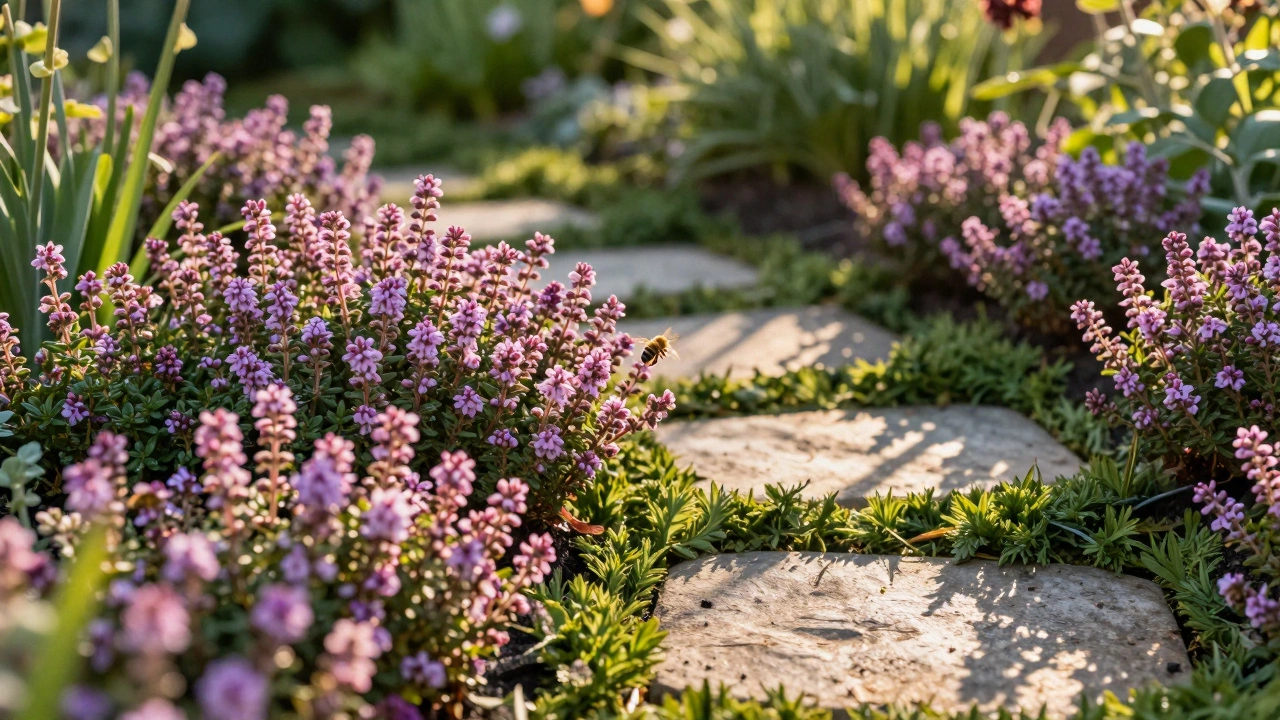
Creeping thyme is a drought-tolerant, fragrant herb that forms a dense, evergreen mat under 3 inches tall. It thrives in full sun and well-drained soil. Once planted, it spreads slowly but steadily, filling in gaps between stepping stones or along garden edges. It blooms with tiny pink or purple flowers in late spring, attracting bees. You can even walk on it-many people use it as a lawn alternative in low-traffic areas.
2. Sedum (Stonecrop)
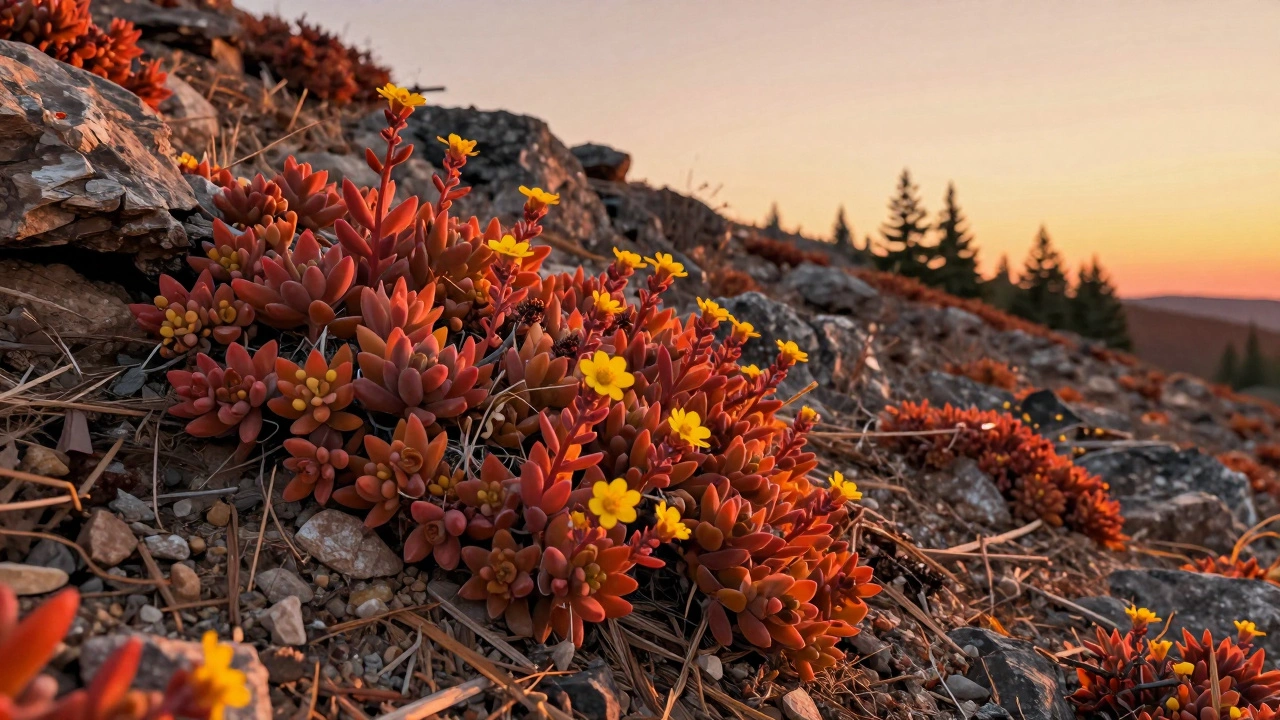
Sedum is a hardy succulent that survives in poor soil, extreme heat, and long dry spells. Varieties like Sedum spurium and Sedum kamtschaticum spread horizontally, forming thick carpets of fleshy leaves that turn red in fall. They need almost no water after establishment and rarely get pests. Sedum works great on slopes, rock gardens, or between patio stones. It’s one of the few ground covers that stays green in winter in colder zones.
3. Vinca Minor (Periwinkle)
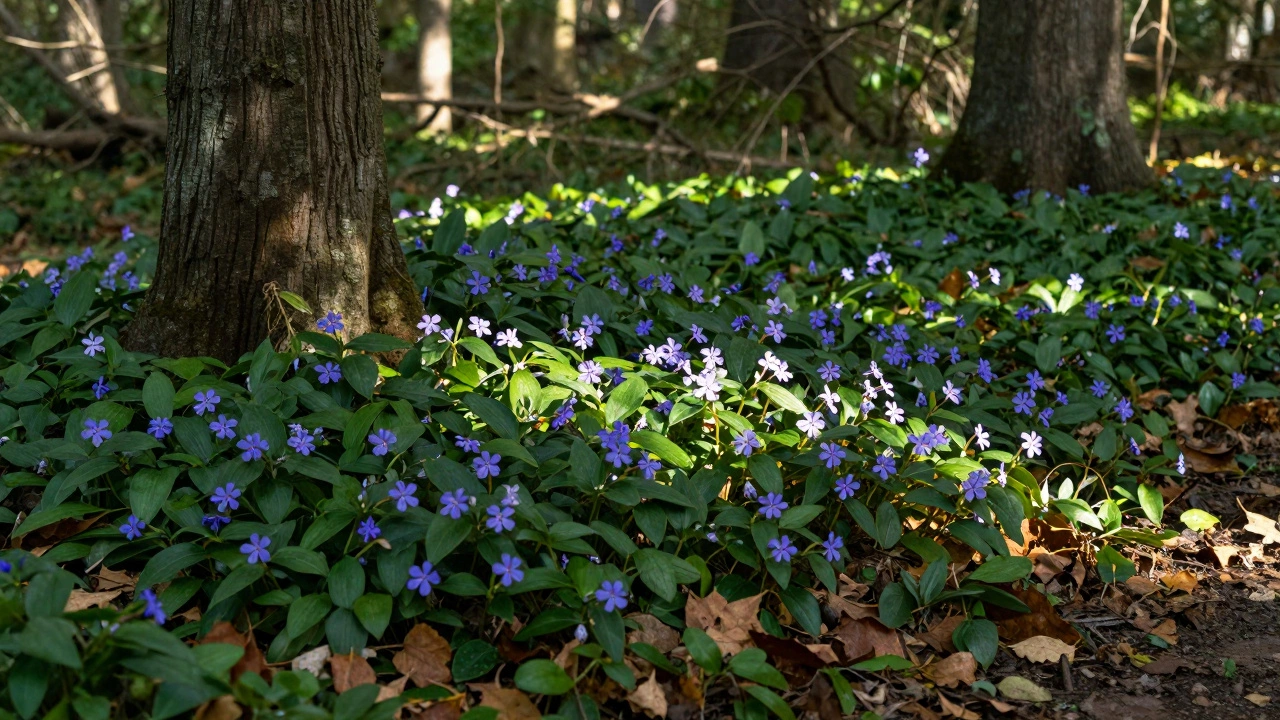
Vinca minor is a shade-tolerant evergreen that spreads quickly in moist, shady areas. It has glossy dark green leaves and produces delicate blue or purple flowers from spring into summer. It’s ideal for under trees or along north-facing walls where grass won’t grow. While it grows fast, it’s not invasive like some ground covers. Just give it space, and it’ll take care of itself.
4. Pachysandra terminalis
Pachysandra is a dense, shade-loving evergreen that forms a lush, weed-blocking carpet. It grows 6 to 10 inches tall and thrives under large trees or in the shadow of buildings. It doesn’t flower much, but its deep green foliage stays uniform all year. Once planted, it needs almost no care beyond a light mulch in spring. It’s a favorite for woodland gardens and areas with heavy leaf fall.
5. Juniperus horizontalis (Creeping Juniper)
Creeping juniper is a evergreen conifer that spreads up to 8 feet wide and stays under 1 foot tall. It’s perfect for sunny, dry slopes and rocky areas. Its blue-green needles turn purplish in winter, adding year-round color. It needs no watering after the first year and resists deer and rabbits. It’s one of the few ground covers that works in USDA Zone 2.
What Conditions Do These Plants Need?
Each plant has its sweet spot, but here’s a quick guide:
- Sunlight: Creeping thyme and sedum need full sun (6+ hours). Vinca and pachysandra prefer shade. Creeping juniper handles full sun to partial shade.
- Soil: All of these plants like well-drained soil. They hate soggy roots. If your soil is clay-heavy, mix in compost or sand before planting.
- Water: Water daily for the first 2-3 weeks after planting. After that, most only need water during extreme drought.
- Spacing: Plant them 12-18 inches apart. They’ll fill in within 1-2 years.
What to Avoid
Not all creeping plants are low maintenance. Some are invasive or high maintenance. Steer clear of:
- English ivy - It climbs walls, smothers trees, and is illegal to plant in some states.
- Liriope - It needs regular trimming and doesn’t spread well in dry soil.
- Money plant (Lunaria) - It self-seeds aggressively and becomes a weed.
These plants look nice at first, but they’ll take over your garden and require more work than grass.
How to Plant and Establish Them
Getting these plants started is simple:
- Remove existing grass or weeds with a shovel or sod cutter.
- Loosen the soil 6 inches deep and mix in 2 inches of compost.
- Space plants 12-18 inches apart in a grid pattern.
- Water thoroughly after planting.
- Apply 1-2 inches of mulch (pine needles or shredded bark) to retain moisture and block weeds.
- Water once a week for the first month, then only when the soil feels dry.
Within two growing seasons, your patch will be a solid, self-sustaining ground cover.
How Long Until They Fill In?
Most creeping plants take 1-3 years to fully cover an area. Sedum and creeping thyme spread slowly but steadily. Vinca and pachysandra fill in faster-often within a year. Creeping juniper can take up to 3 years to reach full width. Patience pays off. Once established, they’ll need almost no care for decades.
Do They Work in Cold Climates?
Yes. Creeping thyme, sedum, and creeping juniper are hardy down to Zone 3. Pachysandra and vinca work well in Zones 4-8. If you live where winters dip below -30°F, choose sedum or creeping juniper-they’re the toughest. Mulch lightly in late fall to protect roots in the coldest zones.
Can You Use Them as a Lawn Replacement?
Definitely-but with limits. Creeping thyme and sedum can handle light foot traffic, like walking barefoot or occasional kids playing. They’re not meant for regular lawn games or heavy use. If you need something for high-traffic areas, consider mixing in stepping stones or gravel paths. For a true no-mow lawn, combine creeping thyme with patches of sedum. You’ll get color, texture, and zero mowing.
What About Weeds?
Once these plants form a thick mat, weeds struggle to grow. But in the first year, you’ll need to pull weeds by hand. Don’t use herbicides-they’ll kill your new plants. A layer of mulch helps block weed seeds. After year two, you’ll rarely see weeds unless something’s wrong with your soil or drainage.
Do They Attract Pests?
Most of these plants repel pests. Creeping thyme deters mosquitoes. Sedum and juniper are deer-resistant. Vinca and pachysandra rarely get insects. If you notice aphids or spider mites, spray them off with water. That’s usually enough.
Are creeping plants better than artificial grass?
Yes, for most homeowners. Artificial grass looks fake, traps heat, and doesn’t support wildlife. Creeping plants look natural, stay cool, and improve soil health. They don’t need replacement every 10-15 years like synthetic turf. Plus, they’re cheaper long-term. You pay once to plant them, then nothing.
Can I plant creeping plants in pots?
Not really. These plants are designed to spread across the ground. In pots, they’ll become root-bound and look messy. If you want a low-maintenance container plant, try trailing succulents like string of pearls or creeping rosemary instead.
Do these plants attract snakes?
No. Snakes don’t live in ground covers. They might pass through if there’s cover and prey nearby, but the plants themselves don’t attract them. In fact, dense ground cover can help keep snakes away by reducing hiding spots for rodents.
How do I stop them from spreading into my lawn?
Install edging-metal, plastic, or stone-about 4 inches deep along the border. Trim the edges once a year in late spring. Most creeping plants won’t cross a clean edge. If they do, just pull them back by hand.
Can I mix different creeping plants together?
Yes. Combining sedum with creeping thyme gives you color changes through the seasons. Pachysandra and vinca can work together in shady zones. Just make sure they have similar light and water needs. Avoid mixing fast growers with slow ones-they’ll compete.
Next Steps
Start small. Pick one plant that matches your yard’s conditions. Buy three or four pots from a local nursery. Plant them in a 4x4 foot area. Watch how they grow. In two years, you’ll have a patch of green that needs nothing from you. And if it works? Expand. Soon, you’ll have a yard that looks beautiful, saves water, and gives you back your weekends.