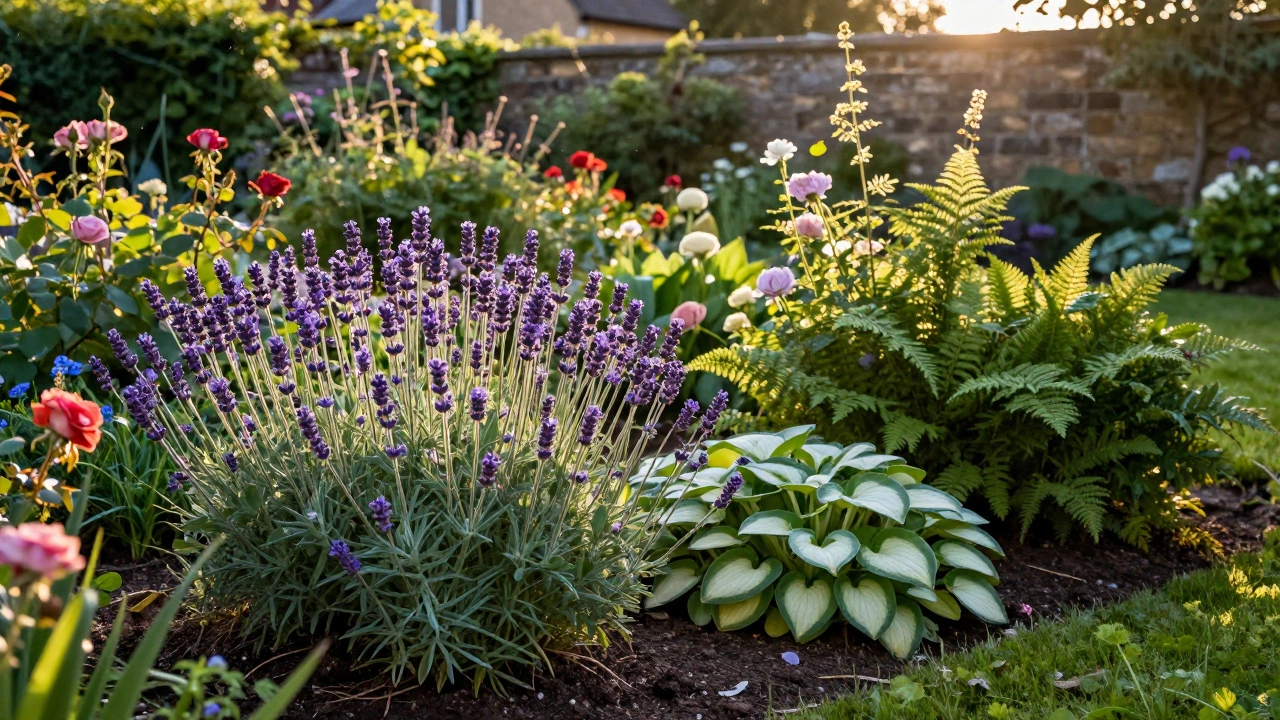
Flower Bed Orientation Planner
Select the cardinal direction your flower bed faces to see sunlight details and recommended plants:
North
ShadeEast
Morning SunWest
Afternoon HeatSouth
Full SunSun Exposure Profile
- Daily Sun Hours: -
- Intensity Level: -
- Soil Behavior: -
Recommended Plants
Picture this: you’ve spent hours planning your dream flower bed is a designated area in a garden used for growing flowers, herbs, or vegetables.. You’ve picked the perfect plants. You’ve mixed the soil. But then you plant them, and within weeks, half are scorched while the other half look like they’re wilting in the dark. Why? Because you ignored the single most important factor in gardening: orientation.
Where you place your flower bed determines how much sunlight it gets, how harsh the wind feels, and even how fast the soil dries out. Getting this right isn’t just about aesthetics; it’s about survival for your plants. In Brighton, where we get that unpredictable mix of bright sunshine and biting sea winds, understanding orientation can save you from starting over every spring.
The Sun Compass: Understanding Cardinal Directions
To figure out the best spot, you first need to know which way is which. Stand in your garden at noon. If you face the sun, you’re looking South. Behind you is North. To your right is West, and to your left is East. This simple trick sets the stage for everything else.
Sunlight isn’t just light; it’s energy. Plants use it for photosynthesis, the process that turns air and water into food. The amount and intensity of this energy change drastically depending on direction. A south-facing wall bakes in the heat, while a north-facing corner stays cool and shady all day long. Knowing this helps you match the right plant to the right spot.
| Direction | Sun Hours | Intensity | Best For |
|---|---|---|---|
| South-Facing | 6-8+ hours | High (Hot) | Roses, Lavender, Tomatoes |
| West-Facing | 3-5 hours | Medium-High (Afternoon Heat) | Dahlias, Zinnias, Herbs |
| East-Facing | 3-5 hours | Low-Medium (Morning Light) | Hostas, Ferns, Lettuce |
| North-Facing | <3 hours | Low (Cool/Shade) | Bleeding Heart, Astilbe, Moss |
South-Facing Beds: The High-Energy Zone
If you have a south-facing space, congratulations-you have the gold standard for most flowering plants. These spots receive direct sunlight for the majority of the day. The soil warms up quickly in spring, allowing you to plant earlier than your neighbors with shadier gardens.
However, high reward comes with high risk. In the height of summer, especially here in the UK when we finally get a heatwave, south-facing beds can turn into ovens. Plants like Lavender is a drought-tolerant herb native to the Mediterranean region. thrive here because they love the heat and dry conditions. But delicate annuals might scorch if not watered deeply.
Pro Tip: If your south-facing bed is next to a white wall, be careful. The wall reflects additional heat and light, doubling the intensity. This is great for succulents but deadly for shade-lovers. Use mulch heavily to keep the root zone cool.
East-Facing Beds: The Gentle Morning Glow
Many gardeners consider east-facing orientations the sweet spot. You get bright, gentle morning sun, which is less intense than the afternoon blaze. By midday, the sun moves away, providing natural relief from the peak heat.
This makes east-facing beds ideal for plants that bloom early in the day or those that wilt under harsh afternoon sun. Think of tulips, daffodils, and many types of ferns. The soil stays moist longer here because evaporation rates are lower compared to west or south exposures. It’s a forgiving environment for beginners who might forget to water occasionally.
West-Facing Beds: The Afternoon Challenge
West-facing gardens get the brunt of the late-day sun. This light is stronger and hotter than morning sun because the atmosphere has been heating up all day. While this is excellent for plants that need lots of light, it can stress others.
Plants like dahlias and zinnias often perform well here because they enjoy the warmth. However, you’ll need to water more frequently. The soil dries out fast. If you live in an urban area with concrete surroundings, the "heat island" effect makes west-facing spots even hotter. Consider adding tall grasses or shrubs on the western edge to provide some afternoon shade for sensitive perennials.

North-Facing Beds: Embracing the Shade
North-facing areas are often overlooked, but they offer unique opportunities. With little to no direct sunlight, these spots remain cool and humid. This is paradise for shade-loving plants that would otherwise burn in brighter locations.
Don’t try to force sun-lovers here. Instead, lean into the aesthetic of the shadow. Hostas, astilbe, bleeding hearts, and hellebores flourish in these conditions. The foliage tends to be lush and green. In winter, north-facing walls stay cooler, which can actually protect certain evergreens from premature bud break caused by false springs.
The Wind Factor: More Than Just Sun
In places like Brighton, wind is as important as sun. A south-facing bed might sound perfect, but if it’s exposed to prevailing sea winds, your plants will suffer from desiccation (drying out) and physical damage.
Observe your garden for a week. Where does the wind hit hardest? Use fences, hedges, or trellises to create windbreaks. A microclimate created by blocking wind can make a north-facing bed feel warmer and more protected than an exposed south-facing one. Layering plants-tall ones in the back, short ones in front-also helps shield smaller species from gusts.
Soil and Drainage: The Hidden Variables
Orientation affects soil temperature and moisture retention. South-facing soils warm up faster, promoting earlier microbial activity and nutrient breakdown. North-facing soils stay cold and wet longer, which can lead to fungal issues if drainage is poor.
Before planting, check your soil structure. Add organic matter like compost to improve drainage in clay-heavy soils common in many UK gardens. In sandy soils, add peat-free compost to help retain moisture, especially in sunny, windy spots. Remember, a well-drained north-facing bed is better than a waterlogged south-facing one.

Practical Steps to Determine Your Best Spot
- Map Your Garden: Draw a rough sketch. Mark North using a compass app on your phone.
- Track the Sun: Visit your potential spots at different times of the day (morning, noon, afternoon). Note where shadows fall.
- Check for Obstructions: Trees, buildings, and fences cast long shadows. A spot that looks sunny in winter might be shaded in summer by leafy trees.
- Assess Wind Exposure: Feel the breeze. Is it constant? Does it funnel through gaps?
- Match Plants to Zones: Group plants with similar needs together. Don’t mix cacti with ferns.
Common Mistakes to Avoid
- Ignoring Seasonal Changes: The sun’s angle changes throughout the year. What’s full sun in July might be partial shade in January.
- Overwatering Shade Lovers: North-facing plants need less water. Overwatering leads to root rot.
- Underestimating Heat Reflection: Paved paths and walls reflect heat. Adjust plant choices accordingly.
- Planting Too Early: South-facing soils warm up fast, tempting you to plant early. Wait until the risk of frost has passed to avoid killing tender shoots.
Final Thoughts on Garden Layout
There is no single "best" orientation for every flower bed. The best orientation is the one that matches your plant selection and local microclimate. By observing your garden’s specific conditions-sun, wind, and soil-you can create a thriving landscape that requires less maintenance and delivers more beauty. Start small, observe closely, and adjust as you learn what works in your unique outdoor space.
Which direction should a flower bed face for maximum blooms?
For maximum blooms, a south-facing orientation is generally best as it provides the most sunlight hours (6-8+). Most flowering plants require ample light to produce flowers. However, ensure you choose heat-tolerant varieties and water adequately to prevent scorching.
Can I grow roses in a north-facing garden?
It is challenging. Roses typically need at least 6 hours of direct sunlight. In a north-facing garden, they may grow but produce fewer blooms and weaker stems. If you must plant roses there, choose shade-tolerant varieties and ensure the soil is well-drained and rich in nutrients.
How does wind affect flower bed orientation?
Wind can dry out soil rapidly and physically damage plants. An exposed south-facing bed might be worse than a sheltered east-facing one. Use windbreaks like fences or hedges to protect vulnerable sides, particularly from prevailing winds in coastal areas like Brighton.
What are the best plants for an east-facing flower bed?
East-facing beds are ideal for plants that prefer morning sun and afternoon shade. Great choices include hostas, ferns, astilbe, bleeding hearts, and early-blooming bulbs like tulips and daffodils. These plants thrive in the gentle light without the stress of afternoon heat.
Does soil type matter more than orientation?
Both are critical. Poor soil can kill plants regardless of sun exposure. However, orientation dictates how quickly soil dries out. Sandy soil in a south-facing bed dries very fast, requiring frequent watering. Clay soil in a north-facing bed may stay waterlogged. Amend soil with compost to balance drainage and moisture retention based on your specific orientation.