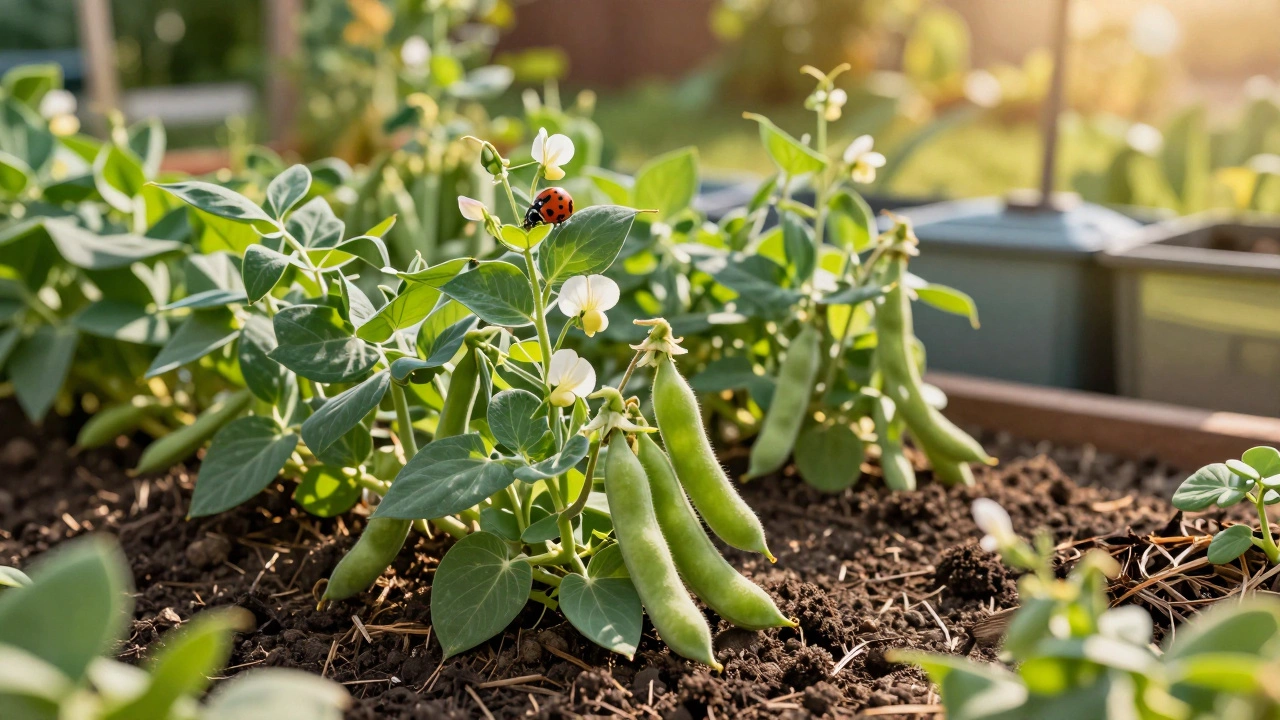
Eco-Friendly Vegetable Water Calculator
How Much Water Do You Save?
Compare the water usage of vegetables you grow with the most eco-friendly option: beans
Enter your vegetable and quantity to see water savings
When you think about eating green, you probably picture salads and kale. But not all vegetables are created equal when it comes to environmental impact. Some need tons of water, heavy fertilizer, or long-distance shipping to reach your plate. Others grow easily with almost no input-saving water, cutting emissions, and feeding your family at the same time.
The most eco-friendly vegetable isn’t about being trendy. It’s about how little it demands from the planet while still giving you nutrition, flavor, and yield. After analyzing water use, soil needs, pest resistance, and carbon footprint across dozens of crops, one stands out clearly: beans.
Why Beans Lead the Pack
Beans-whether bush beans, pole beans, or fava beans-are the quiet champions of sustainable gardening. They don’t need synthetic fertilizer because they fix their own nitrogen. That’s right: they pull nitrogen from the air and store it in their roots, enriching the soil for future crops. This natural process cuts out the need for chemical inputs that pollute waterways and release nitrous oxide, a greenhouse gas 300 times worse than CO₂.
They also use far less water than most vegetables. A pound of green beans requires about 67 gallons of water to grow. Compare that to broccoli (108 gallons) or spinach (117 gallons). Even carrots, often thought of as low-water, use 20% more than beans. Beans thrive in average garden soil and tolerate dry spells better than most.
And they’re productive. A single bean plant can produce over a pound of harvest in one season. You don’t need a huge patch to get results. That means less land cleared, fewer resources used per ounce of food.
How Beans Help Your Whole Garden
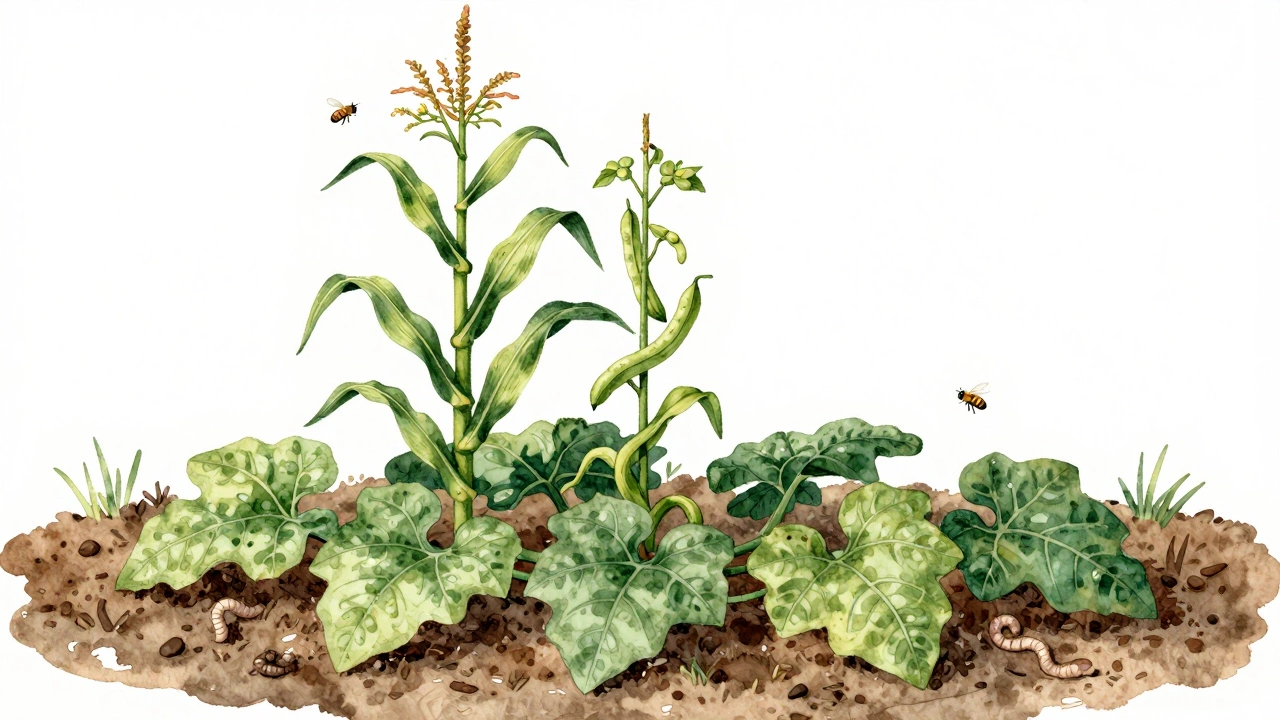
Beans aren’t just good on their own-they make other plants better. Planting beans next to corn or squash creates a classic Three Sisters system used by Indigenous farmers for centuries. The beans fix nitrogen for the corn, the corn gives the beans something to climb, and the squash shades the soil to hold moisture and block weeds. It’s a self-sustaining trio that needs almost no outside help.
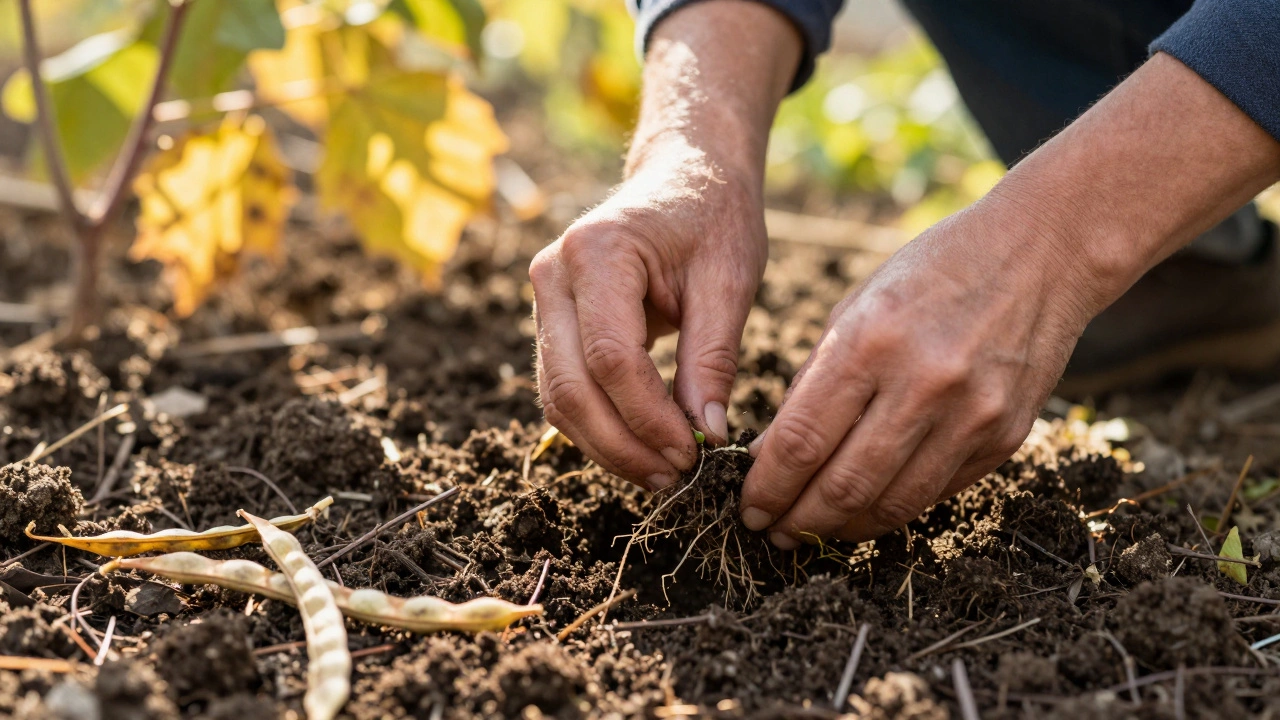
Even if you’re not planting in trios, beans improve soil for future crops. After harvesting, you can leave the roots in the ground. They decompose and keep feeding the soil. That’s a huge advantage over vegetables like lettuce or radishes, which pull nutrients out without leaving anything behind.
Beans also attract beneficial insects. Ladybugs, lacewings, and parasitic wasps love bean flowers. These insects eat aphids and other pests, reducing or even eliminating the need for organic sprays. Few vegetables do that naturally.
Other Top Eco-Friendly Vegetables
Beans aren’t alone. Several other vegetables are also low-impact and worth growing if you want to reduce your garden’s footprint.
- Peas-Like beans, they fix nitrogen and grow quickly. Snow peas and snap peas are especially easy and don’t need much space.
- Leafy greens-Kale, chard, and collards grow in cooler weather, need moderate water, and can be harvested multiple times. They’re perfect for spring and fall.
- Herbs-Basil, mint, thyme, and oregano need very little water and grow well in pots or small beds. They’re also pest-resistant and don’t require fertilizer.
- Onions and garlic-These store well, need minimal care once planted, and naturally repel many garden pests. They grow in poor soil and don’t compete heavily with other plants.
- Squash (especially zucchini)-One plant can feed a family. It grows fast, needs little attention, and uses space efficiently. Just watch for squash bugs.
These all rank high for sustainability, but none match beans for nitrogen fixing, low water use, and long-term soil health benefits.
What to Avoid
Some vegetables are popular but environmentally costly. Avoid growing these if sustainability is your goal:
- Asparagus-Takes 3 years to produce, needs heavy mulching and irrigation, and yields very little per square foot.
- Celery-Requires constant moisture, lots of fertilizer, and is often shipped long distances. It’s one of the most water-intensive vegetables.
- Avocado (yes, technically a fruit)-Not a vegetable, but often mistaken as one. It takes 2,000 gallons of water per pound and rarely grows well outside warm climates.
- Out-of-season tomatoes-Growing them in winter requires greenhouses, heat lamps, and imported soil mixes. Stick to summer tomatoes grown outdoors.
These crops aren’t bad-they just demand more than they give back. If you really want them, buy them from local farmers who grow them sustainably instead of trying to grow them yourself.
How to Grow Beans the Eco-Friendly Way
If you’re ready to grow beans for maximum sustainability, here’s how:
- Choose native varieties-Look for heirloom beans adapted to your region. They’re more resilient and need fewer inputs.
- Plant in spring-Wait until soil is warm (above 60°F). Cold soil delays germination and wastes energy.
- Use compost, not fertilizer-Mix in a few inches of finished compost before planting. That’s all they need.
- Don’t overwater-Water only when the top inch of soil is dry. Beans are drought-tolerant.
- Let plants stay after harvest-Cut the tops, leave the roots. They’ll break down and feed next year’s crop.
Try planting a few rows of bush beans along the edge of your garden. They’ll climb nothing, need no support, and give you a steady harvest from early summer until frost.
Why This Matters Beyond Your Backyard
When you grow beans instead of buying them from a store, you cut out transportation emissions, plastic packaging, refrigeration, and industrial farming practices. Even if you grow just 10 pounds of beans in your garden each year, you’re saving roughly 120 pounds of CO₂ emissions compared to store-bought beans.
And it’s contagious. When you grow beans, you start thinking about soil health, water conservation, and natural pest control. You begin to see your garden not as a place to fight nature, but as a system to work with it.
That shift-from consumption to contribution-is the real win of eco-friendly gardening. Beans don’t just feed you. They rebuild the land beneath your feet.
Are canned beans as eco-friendly as homegrown beans?
No. Canned beans still require energy-intensive processing, metal canning, refrigerated transport, and plastic labeling. Homegrown beans use no packaging, no fuel for shipping, and no factory energy. Even if you buy dried beans from a local co-op, they’re still more sustainable than canned. But growing them yourself is the most efficient option.
Can I grow beans in containers?
Yes. Bush beans grow well in pots that are at least 12 inches deep and wide. Use a mix of compost and potting soil, water when dry, and place them in full sun. You’ll get 1-2 pounds of beans per container over the season. Pole beans need trellises but can also work in large tubs.
Do beans attract pests?
They can, but rarely in damaging numbers. Bean beetles and aphids are the main issues. Plant marigolds nearby-they repel beetles. Spray aphids off with a strong stream of water. Avoid chemical sprays. Beneficial insects usually keep things in balance. If you see a few pests, leave them. They’re food for ladybugs.
How long do beans take to grow?
Bush beans take 50-60 days from seed to harvest. Pole beans take slightly longer, around 60-70 days, but produce over a longer period. You can plant successive batches every two weeks for a continuous harvest through summer.
Can I save bean seeds for next year?
Absolutely. Let a few pods dry on the plant until they turn brown and brittle. Harvest them, remove the seeds, and store them in a cool, dry place. Heirloom beans will grow true to type. This cuts seed costs and builds resilience in your garden over time.