UK Compost Matcher
Select your planting scenario to find the best peat-free compost recommendation.
Recommended Compost
Why this choice?
Key Tips
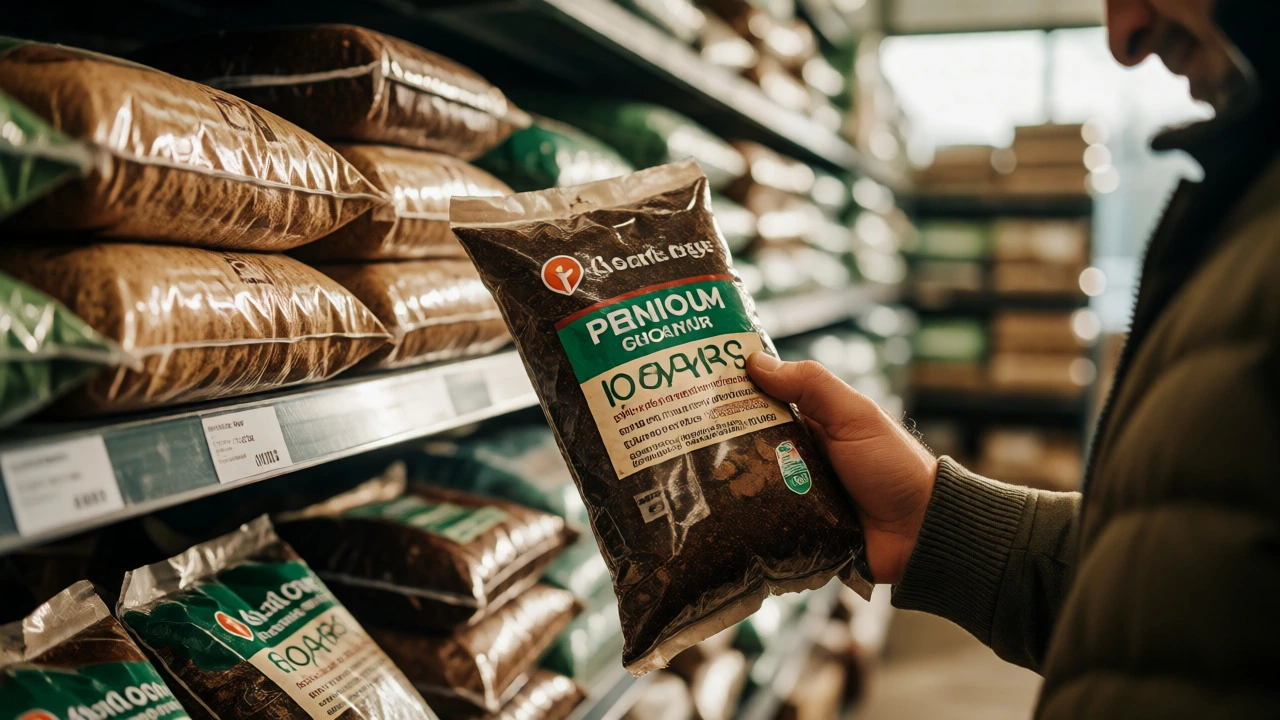
You’ve probably stood in the garden centre aisle staring at a wall of bags, wondering which one will actually make your roses bloom and your tomatoes taste like something other than water. It’s confusing. One bag says "premium," another says "all-purpose," and a third promises to "revitalise" your soil for £12. Here’s the truth: there is no single "magic dust" that fixes everything. The most effective compost depends entirely on what you’re growing and where you live.
As someone gardening in Brighton, I’ve learned that our heavy clay soils need different help than the sandy patches up in Norfolk. If you throw generic potting mix onto heavy clay, you’ll just create a muddy mess that drains poorly. But if you use the right type of organic matter, you can turn dead dirt into living soil in a season or two. This guide cuts through the marketing fluff to tell you exactly which compost does what, why peat-free options are non-negotiable now, and how to pick the winner for your specific plot.
The Big Shift: Why Peat-Free is No Longer Optional
If you’re still buying peat-based compost, you’re fighting against both the environment and the law. The UK government has banned the sale of peat to amateur gardeners as of February 2024. But even before the ban, smart gardeners were switching. Peat is a carbon-rich material formed from partially decayed vegetation in acidic wetlands. While it holds water well, extracting it releases massive amounts of stored CO2 and destroys unique habitats.
So, what replaces it? Modern Peat-Free Compost uses renewable ingredients like coir (coconut husk), wood fibre, green waste, and bark. These materials aren’t just eco-friendly; they often perform better once established. Coir, for instance, holds moisture more evenly than peat but doesn’t compact as badly over time. You might notice some new brands dry out faster initially because they don’t have the hydrophilic nature of old-school peat, so you’ll need to adjust your watering habits slightly. But the long-term health of your soil improves significantly because these alternatives break down into stable humus rather than turning into sludge.
Decoding the Labels: Potting vs. Soil Conditioner
This is where most people go wrong. They buy a bag labelled "Compost" and dump it all over their vegetable beds. Then they wonder why nothing grows. In the UK, retailers distinguish between two main categories, and mixing them up costs you money and plants.
Potting Compost is a sterile, lightweight medium designed specifically for container gardening and seed starting. It usually contains added fertilisers and perlite for drainage. You use this inside pots, trays, and hanging baskets. It has very little nutritional value for open ground because it’s meant to be fed regularly with liquid plant food.
On the other hand, Soil Conditioner (often called Garden Compost) is organic matter intended to improve the physical structure of existing garden soil. It’s heavier, darker, and rich in microbial life. You dig this into your flower beds or veg patch. It doesn’t replace your soil; it enhances it. Using potting compost in the ground is a waste of money-it washes away or compacts too quickly. Using soil conditioner in pots can suffocate roots because it’s too dense.
| Type | Best Used For | Key Ingredients | Drainage |
|---|---|---|---|
| Multi-Purpose Potting | General containers, annuals | Coir, bark, perlite | Moderate |
| Seed & Cutting | Sowing seeds, rooting cuttings | Fine coir, low nutrients | High |
| John Innes No. 3 | Long-term potted shrubs/trees | Loam, peat-free blend, grit | Moderate-Low |
| Garden Compost | Digging into borders/beds | Green waste, manure, bark | Varies by base soil |
| Manure Blend | Vegetable patches, hungry crops | Well-rotted cow/horse manure | Low (retains moisture) |
Matching Compost to Your Plants
Not all plants want the same treatment. Think of compost as a meal plan. Some plants are light eaters; others are gluttons. Choosing the right nutrient profile prevents root burn and ensures vigorous growth.
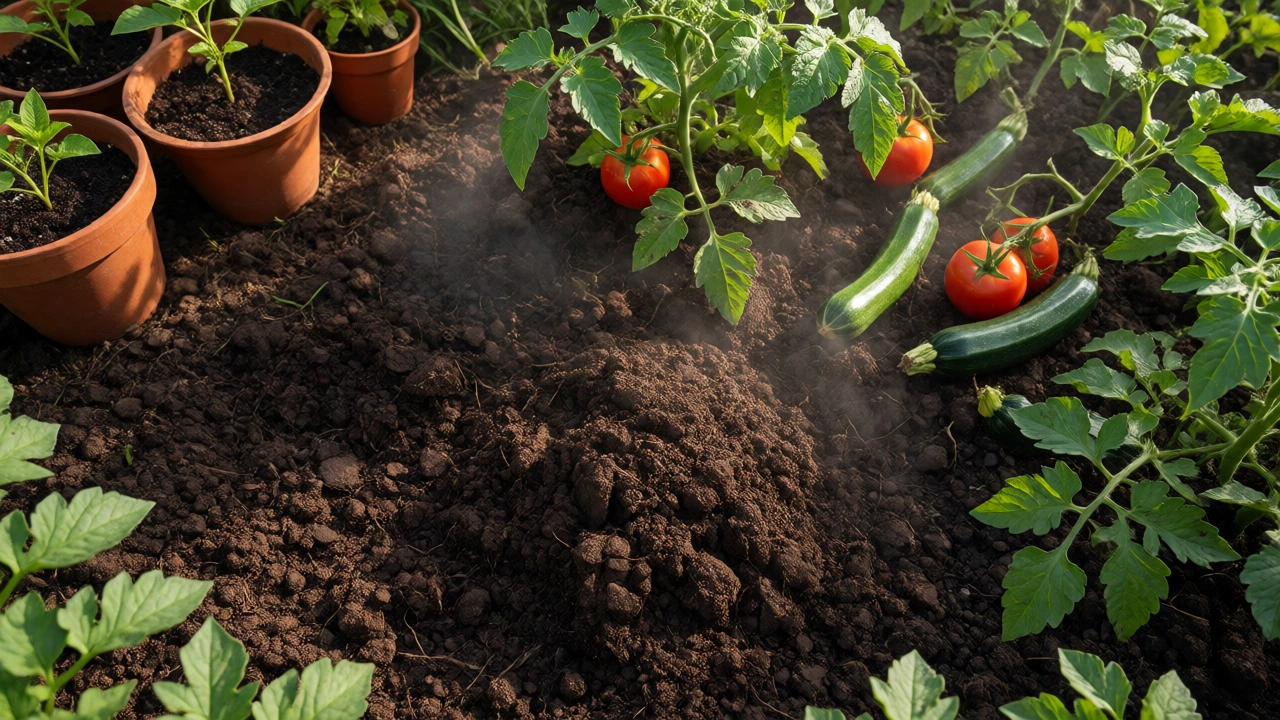
For Vegetables, especially hungry ones like courgettes, pumpkins, and tomatoes, you need richness. Well-rotted farmyard manure is the gold standard here. It adds nitrogen, phosphorus, and potassium slowly over the season. If you’re using bought-in compost, look for a blend containing 50% manure and 50% green waste. Avoid fresh manure-it burns roots. Always check that it’s been composted for at least six months.
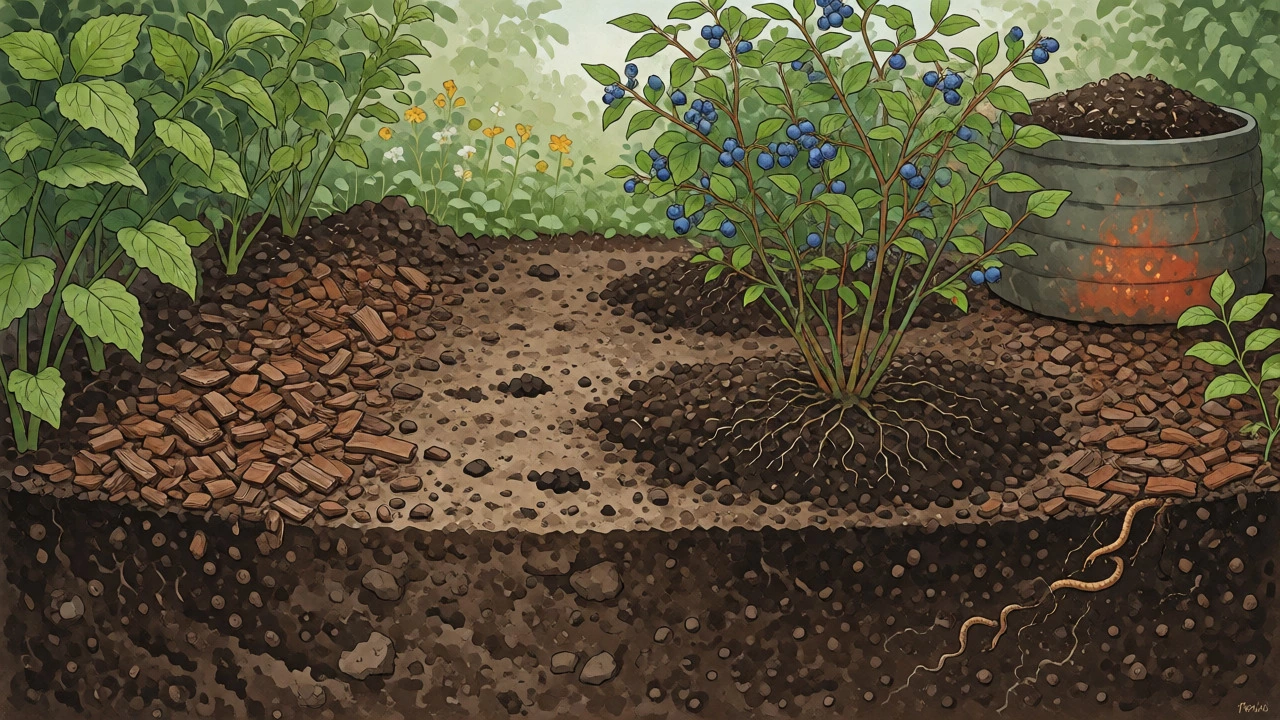
For Roses and Shrubs, stability matters more than raw power. They hate sitting in waterlogged holes. Use a loam-based compost mixed with grit or sharp sand when planting. The loam provides body, while the grit ensures air reaches the roots. If you’re topping up an existing rose bed, a mulch of bark chippings works wonders. It suppresses weeds, retains moisture, and breaks down slowly to feed the surface feeder roots.
Acid-loving plants like blueberries, camellias, and rhododendrons require specific conditions. Standard compost is often too alkaline for them. You need Ericaceous Compost, which is an acidic, peat-free blend typically made from pine bark and coir. Its pH sits around 5.0-6.0. If you plant a blueberry bush in ordinary multi-purpose compost, its leaves will turn yellow (chlorosis) because it can’t absorb iron. Don’t skip this step if you’re growing berries.
DIY vs. Buying: Is Homemade Better?
Let’s be honest: homemade compost is usually superior to anything you can buy, provided you do it right. Store-bought compost is inconsistent. One batch might be too salty; the next might be too woody. Your own heap gives you control.
The most effective DIY method in the UK climate is the Hot Composting System, such as the Jora or Green Joha hot boxes. Unlike traditional heaps that take two years to mature, these insulated bins reach temperatures above 60°C. This heat kills weed seeds and pathogens, meaning you can compost cooked food scraps and meat bones-things that would rot and smell in a cold pile. Within 8-12 weeks, you get black gold that rivals any premium product.
However, not everyone has space for a hot bin. If you’re in a small terrace house, a wormery (compost bin for worms) is brilliant. Worm castings are incredibly potent. You dilute the liquid "worm tea" 1:10 and use it as a foliar spray. The solid castings are excellent for potting mixes. Just remember: worm castings are strong. Don’t fill a pot 100% with them; mix 20% castings with 80% coir or perlite.
Application Tips: Less is More
More compost isn’t always better. Over-applying can smother soil organisms and cause nutrient runoff into local waterways. In the UK, we recommend applying 5cm (2 inches) of compost annually to garden beds. That’s enough to refresh the top layer without disrupting the deeper soil structure.
- Timing: Apply in autumn or early spring. Autumn allows rain to wash nutrients down to roots. Spring application feeds active growth.
- Method: Spread it on the surface and let worms pull it down. Digging it in disturbs fungal networks (mycorrhizae) that help plants absorb water. No-dig gardening relies heavily on this surface-mulching technique.
- Watering: New compost can repel water if it’s dry. Water it thoroughly after application to settle it and activate microbes.
A common mistake is using grass clippings as a thick mulch. While great for nitrogen, a thick mat of fresh grass can go anaerobic and smell terrible. Mix grass clippings into your compost heap first, or spread them thinly (less than 2cm) on the lawn, not the beds.
What to Look for When Buying
When you’re at the shop, ignore the pictures of smiling farmers. Check the back label. You’re looking for three things:
- Peat-Free Certification: Look for the RSPB logo or explicit "100% Peat-Free" text. If it says "peat-reduced," put it back. We want full replacement.
- pH Level: For general use, neutral (6.5-7.5) is fine. For ericaceous plants, ensure it’s acidic. Some cheap composts are too alkaline due to high lime content in the bark.
- Structure: Open the bag if possible. It should be crumbly, not dusty or slimy. Dust means it’s too dry and won’t hold water. Slime means it’s gone anaerobic and may contain pathogens.
Brands like Westland, Miracle-Gro (their peat-free range), and Dalefoot Wool Compost are reliable in the UK market. Dalefoot is particularly interesting because it uses wool and bracken, offering natural slow-release nutrients and excellent water retention. It’s pricier, but for hanging baskets that dry out fast in summer winds, it’s worth the extra few pounds.
Frequently Asked Questions
Can I use kitchen scraps directly in my garden?
Generally, no. Raw kitchen scraps attract pests like rats and foxes, especially in urban areas like Brighton. They also decompose slowly and can temporarily steal nitrogen from the soil as bacteria break them down. Compost them first in a bin or tumbler, then apply the finished product to the garden.
Is compost the same as fertiliser?
No. Compost improves soil structure, water retention, and microbial health. Fertiliser provides concentrated nutrients (NPK). Compost releases nutrients slowly, while fertiliser acts quickly. For best results, use compost to build the soil foundation and supplement with organic fertiliser during peak growing seasons if plants show signs of deficiency.
How much compost do I need for a raised bed?
Calculate the volume: Length x Width x Depth (in metres). For a standard 1.2m x 2.4m raised bed filled to 30cm depth, you need roughly 0.86 cubic metres. Since most bags are 50 litres (0.05 cubic metres), you’d need about 17-18 bags. Always buy 10% extra to account for settling and spillage.
Does compost freeze in winter?
Yes, compost freezes, but this doesn’t harm it. Microbial activity slows down or stops, but resumes when temperatures rise. In fact, freezing can help break down tough plant fibres physically. Just avoid digging frozen compost into the ground; wait for a thaw to prevent damaging soil structure.
Why is my compost smelling bad?
A rotten egg smell indicates anaerobic conditions-too wet and not enough air. Turn the pile to introduce oxygen and add dry brown materials like shredded cardboard or straw to absorb excess moisture. If it smells like ammonia, you have too much nitrogen (grass clippings/food scraps); add carbon-rich browns to balance it.