UK National Vegetable Explorer
The UK has no official national vegetable, but several contenders hold deep cultural and historical roots. Explore the top candidates below to find out which one fits your garden and heritage.
You might be surprised to learn that the United Kingdom doesn't actually have an officially designated national vegetable. Unlike some countries with strict botanical laws or royal decrees, Britain’s culinary identity is a messy, delicious patchwork of imports and homegrown staples. But if you ask a crowd in a pub from London to Edinburgh, one answer will almost certainly rise above the rest: the potato. Or perhaps the leek, if you’re speaking to someone from Wales. This lack of a single official title opens up a fascinating conversation about what we actually grow, eat, and celebrate in our gardens.
As a gardener living here in Brighton, I spend my days wrestling with soil and seeds, trying to coax life out of the damp English climate. The question of what defines our "national" produce isn't just trivia; it affects how we plan our planting calendars and which heritage varieties we choose to keep alive in our raised beds. Let’s break down the contenders, the history behind them, and why this matters for your garden this year.
The Potato: The Unofficial King
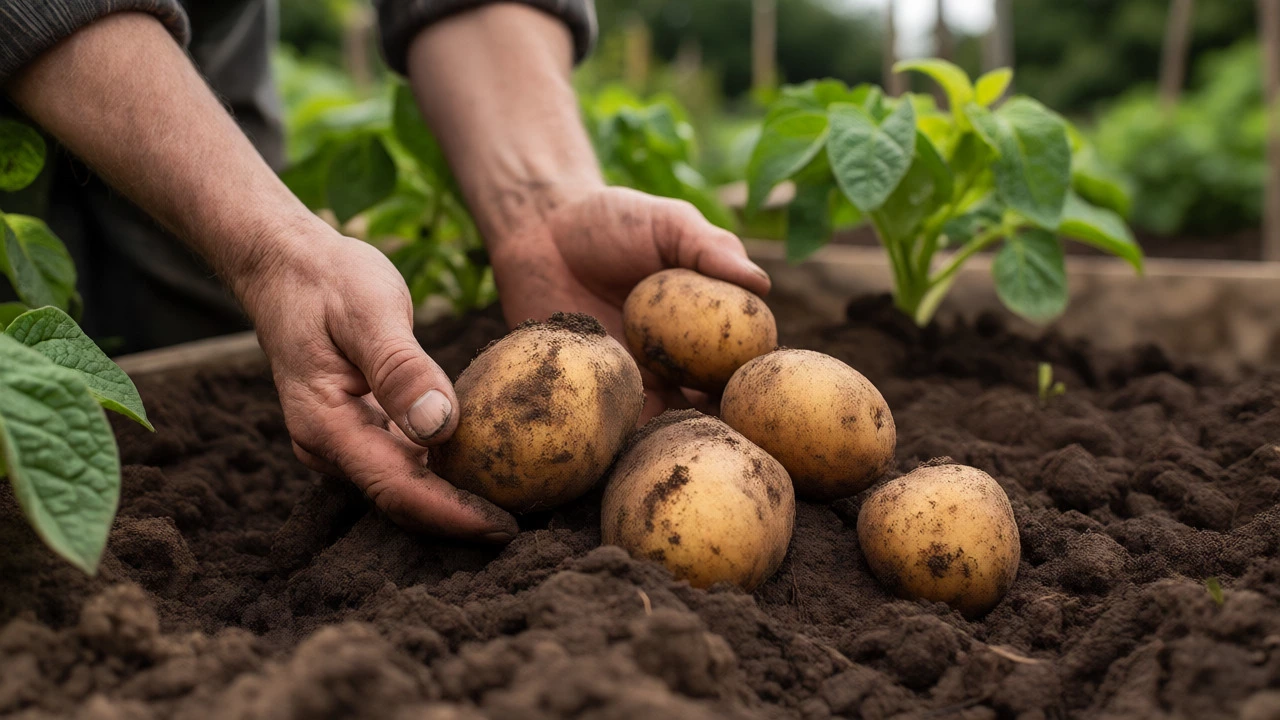
If you had to pick one vegetable that has shaped British history more than any other, it would be the Potato. Introduced to Europe from South America in the late 16th century, it didn’t become a staple here until the 18th and 19th centuries. Before the potato, the British diet was heavily reliant on bread and turnips. The shift to potatoes changed everything, allowing populations to boom because the crop yields high calories per acre compared to grain.
Consider the Great Famine of the 1840s. When Phytophthora infestans (potato blight) wiped out crops across Ireland and parts of Scotland, millions died or emigrated. That event alone cements the potato’s status as more than just food-it’s a historical anchor. In modern gardens, growing your own potatoes is incredibly rewarding. Varieties like 'King Edward' or 'Maris Piper' are classics for a reason. They store well, cook beautifully, and thrive in the UK’s cool, wet summers.
For those planning their spring sowing, remember that potatoes are typically planted in March or April, depending on your region’s frost dates. If you live in the south, like me, you can often start earlier under fleece. It’s a low-maintenance crop that gives back tenfold, making it a favorite among beginner and expert gardeners alike.
The Leek: Wales’ Proud Symbol
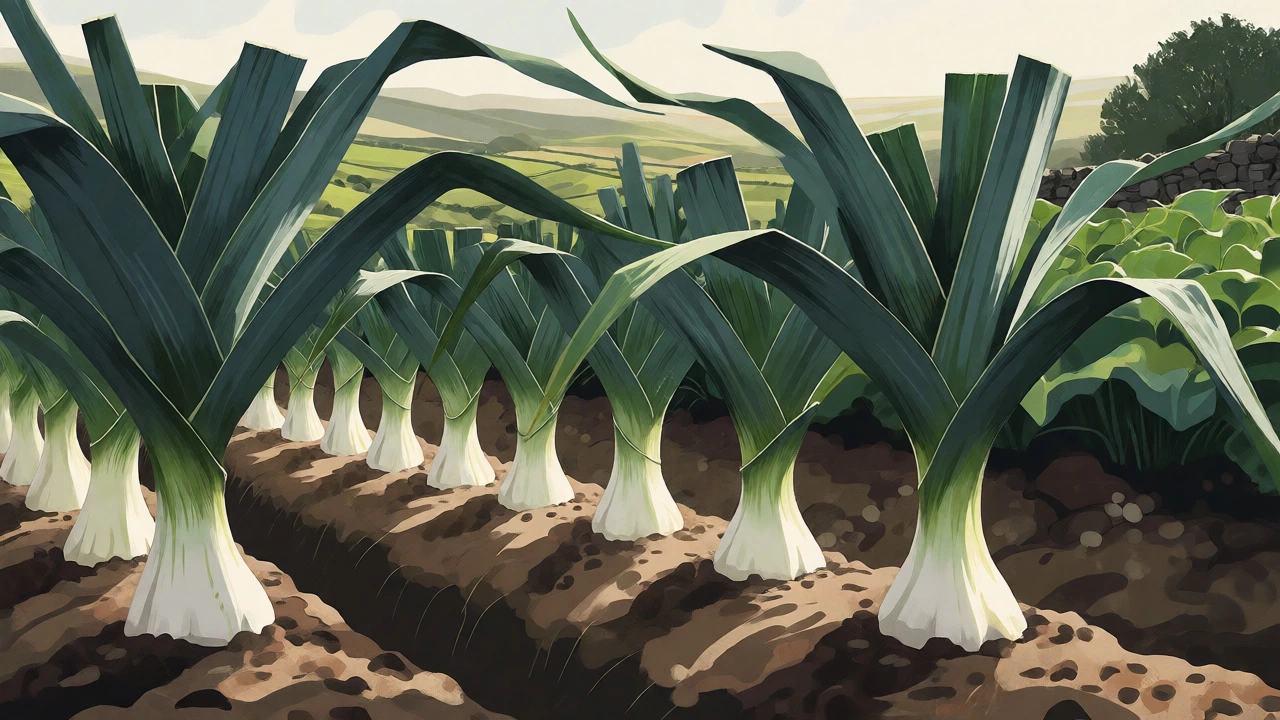
While England leans toward the potato, Wales has a clear national symbol: the Leek. Legend has it that St. David advised Welsh soldiers to wear leeks in their caps to distinguish themselves from Saxons during battle. Whether true or not, the leek remains a potent cultural icon, worn by rugby players and celebrated on St. David’s Day every March.
Growing leeks is a different beast than potatoes. They require patience. You start seeds indoors in winter, transplant them into modules, and then harden them off before planting out in late spring. They need rich, well-drained soil and consistent watering. If you’ve ever tried to blanch leeks-keeping the white part clean and tender-you know the satisfaction of hilling up soil around the stems as they grow.
| Vegetable | Region Association | Growth Difficulty | Cultural Significance |
|---|---|---|---|
| Potato | UK-wide (especially England/Scotland) | Low-Medium | Historical staple, famine survival |
| Leek | Wales | Medium-High | National emblem, St. David’s Day |
| Cabbage | England/Ireland | Low | Traditional winter staple, "cabbages and kings" phrase |
| Pea | UK-wide | Low | Essential for rotation, heirloom varieties popular |
Cabbage and Peas: The Forgotten Staples
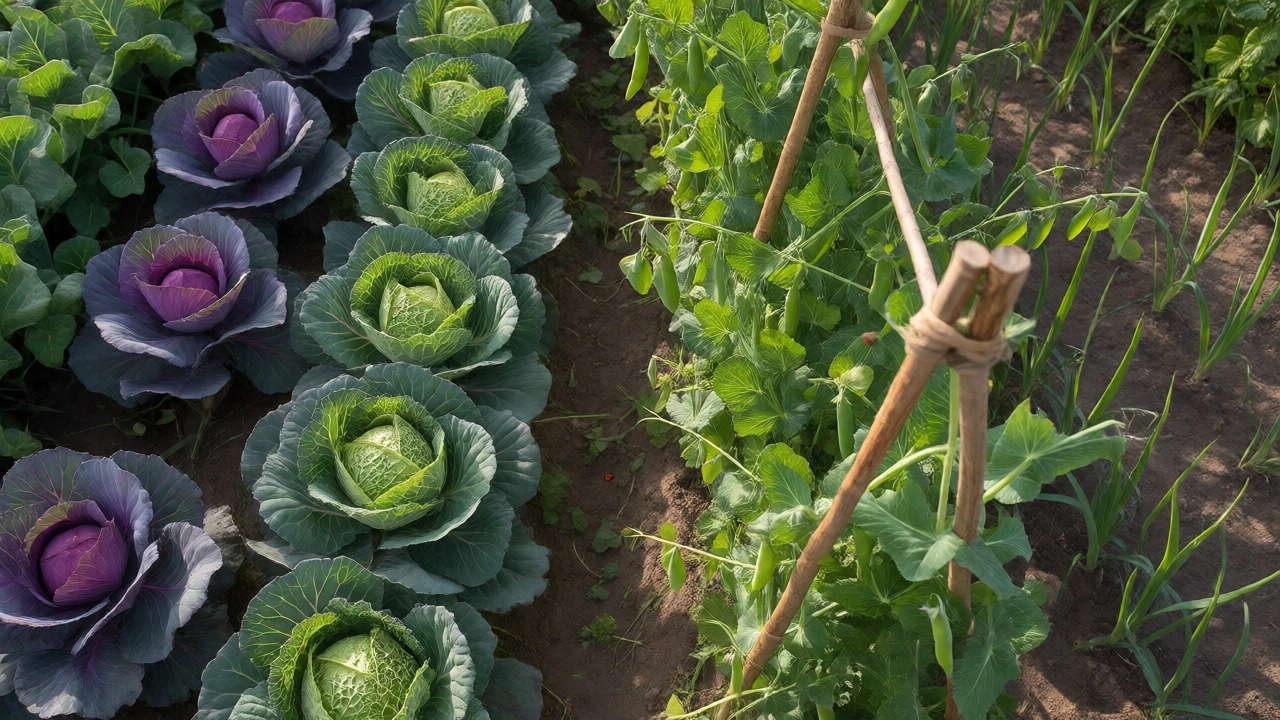
We shouldn’t overlook the humble cabbage. For centuries, it was the go-to green for British winters. The phrase "cabbages and kings" comes from Lewis Carroll’s The Walrus and the Carpenter, but the vegetable itself was a lifeline for peasants who couldn’t afford fresh greens in January. Today, we tend to ignore cabbage in favor of kale or chard, but heritage varieties like 'Savoy' or 'Red Drumhead' are tough, nutritious, and surprisingly easy to grow.
Then there are peas. Peas are crucial for healthy garden soil. As legumes, they fix nitrogen, meaning they add fertility back into the earth rather than depleting it. This makes them perfect candidates for crop rotation systems. If you’re trying to improve your soil naturally without buying expensive fertilizers, planting peas in one bed and heavy feeders like brassicas in another is a smart move.
I always plant a succession of pea sowings from February through June. This ensures I’m picking pods all summer long. Variety 'Meteor' is a dwarf type that doesn’t need staking, which saves time if you’re short on space. For taller varieties, use hazel sticks or netting. It’s satisfying to walk past your garden in July and snap a pod straight off the vine, eating the sweet, raw peas right there.
Why There Is No Official Designation
You might wonder why Parliament hasn’t passed a law declaring a winner. Partly, it’s because the UK is a union of four distinct nations, each with its own agricultural traditions. Declaring one vegetable as "British" risks alienating Scottish turnip lovers or Welsh leek devotees. Additionally, our diet has become so globalized that tomatoes, courgettes, and even avocados feel local now, despite being imported or grown in heated glasshouses.
However, informal polls and surveys often point to the potato or the pea. In 2017, a survey commissioned by a gardening magazine found that the potato was voted the nation’s favorite vegetable, followed closely by peas and carrots. This reflects both taste and utility. Potatoes fill bellies; peas make salads bright. Both are deeply embedded in Sunday roasts and fish and chips.
From a horticultural perspective, this diversity is good news. It means we don’t have to monoculture our gardens. We can grow a mix of root crops, leafy greens, and fruiting plants. This biodiversity helps confuse pests and keeps diseases at bay. If you only grew potatoes, you’d invite blight and nematodes. By mixing in leeks, onions, and brassicas, you create a resilient ecosystem.
Planning Your Garden Around These Icons
So, how do you use this knowledge in your own plot? Start by looking at your planting calendar. Most UK gardens follow a similar rhythm due to our shared maritime climate. Frost is the enemy, so timing is critical.
- February: Start potato seed tubers in trays or pots inside to "chit" (sprout) them. Sow early peas under cloches.
- March: Plant first earlies outdoors if the soil is warm enough (above 7°C). Start leek seeds indoors.
- April: Maincrop potatoes go in. Transplant hardened-off leeks into prepared trenches.
- May-June: Successional sowing of peas and beans. Watch for slugs on young brassicas.
- September-October: Harvest maincrop potatoes and store them in dark, cool places. Plant winter cabbage varieties.
If you want to honor the "national" spirit, dedicate a corner of your garden to heritage varieties. Look for 'Jersey Royal' potatoes, which have Protected Geographical Indication (PGI) status, meaning they must be grown on Jersey to carry the name. Try 'Welsh Kale' or traditional marrowfat peas. These aren't just trendy; they’re adapted to our specific conditions over generations.
The Role of Soil and Climate
Growing these iconic vegetables requires understanding your local microclimate. Here in Sussex, we get mild winters and dry spells in spring. Up in Scotland, the season starts later and ends sooner. Adjust your dates accordingly. Always check the Royal Horticultural Society (RHS) guidelines for your specific zone.
Soil health is paramount. Potatoes hate waterlogged ground; they’ll rot. Leeks love moisture but need drainage. Cabbages need firm soil to prevent "blow" (where wind lifts the roots). Testing your pH is wise. Most veg prefer slightly acidic to neutral soil (pH 6.0-7.0). If your soil is too alkaline, avoid growing potatoes as they may suffer from scab. Add organic matter like compost or well-rotted manure annually to boost structure and nutrient content.
Don’t forget about companion planting. Carrots deter flies from onions, and marigolds can help repel aphids from brassicas. While science debates the efficacy of some combinations, many gardeners swear by them. At the very least, interplanting breaks up monocultures and invites beneficial insects like hoverflies and ladybirds into your space.
Beyond the Vegetable Patch
The debate over the national vegetable also touches on sustainability. Importing vegetables from abroad increases carbon footprints. Growing your own potatoes, leeks, and peas reduces food miles and packaging waste. It connects you to the seasons. You learn to preserve surplus harvests-making sauerkraut from cabbage or freezing peas for winter soups.
This connection to land and food is vital in an age of supermarket convenience. When you pull a muddy potato from the earth after months of tending, you understand its value differently. You respect the effort required to feed a family. This mindset encourages us to support local farmers markets and buy seasonal produce, reinforcing the agricultural heritage that these "national" vegetables represent.
Ultimately, whether you pick the potato, the leek, or the pea, the goal is to grow something meaningful. Share your harvest with neighbors. Swap seeds with friends. Join a local allotment society. These small actions keep the tradition of British gardening alive, one vegetable at a time.
Is there an official national vegetable of the UK?
No, the United Kingdom does not have an officially legislated national vegetable. However, the potato is widely considered the unofficial national vegetable due to its historical significance and widespread consumption. The leek is the national symbol of Wales, and thistles are associated with Scotland, though thistle is technically a flower.
Why is the potato considered so important in British history?
The potato became a staple crop in the 18th and 19th centuries because it provided high nutritional value and calorie density per acre. Its importance was highlighted tragically during the Great Famine of the 1840s, when potato blight caused mass starvation and emigration, particularly in Ireland and the Scottish Highlands. This event cemented the potato's central role in the British diet and economy.
What is the best way to grow leeks in the UK?
Start leek seeds indoors in late winter. Once seedlings are pencil-thick, transplant them into deep holes or trenches filled with water to settle the soil around the roots. Keep the area free of weeds and hill up soil around the stems as they grow to blanch the lower part. Leeks prefer rich, well-drained soil and consistent moisture.
Can I grow potatoes in containers?
Yes, potatoes grow exceptionally well in containers such as grow bags, buckets, or large pots. This method is ideal for small spaces and allows for easy harvesting without digging. Ensure the container has drainage holes and use a mix of potting compost and fertilizer. Chitting the tubers beforehand can speed up growth.
How does crop rotation help with these vegetables?
Crop rotation prevents the buildup of soil-borne diseases and pests specific to certain plant families. For example, rotating potatoes away from tomatoes (both Solanaceae) reduces blight risk. Rotating peas and beans (legumes) improves soil nitrogen levels for subsequent heavy-feeding crops like brassicas. A typical four-year rotation involves legumes, brassicas, root crops, and solanaceous crops.