One-Third Mowing Rule Calculator
Enter Grass Details
Set Mower Deck To
Cut Amount: -- in
This cut is within the safe biological limit.
Action Plan:
- Check current mower deck setting.
- Adjust wheels to reach -- inches.
- Mow when grass is dry for clean cuts.
- Note: If current height is extreme, perform this cut, wait 3 days, then cut again.
Enter your grass height to see how much you should safely remove today.
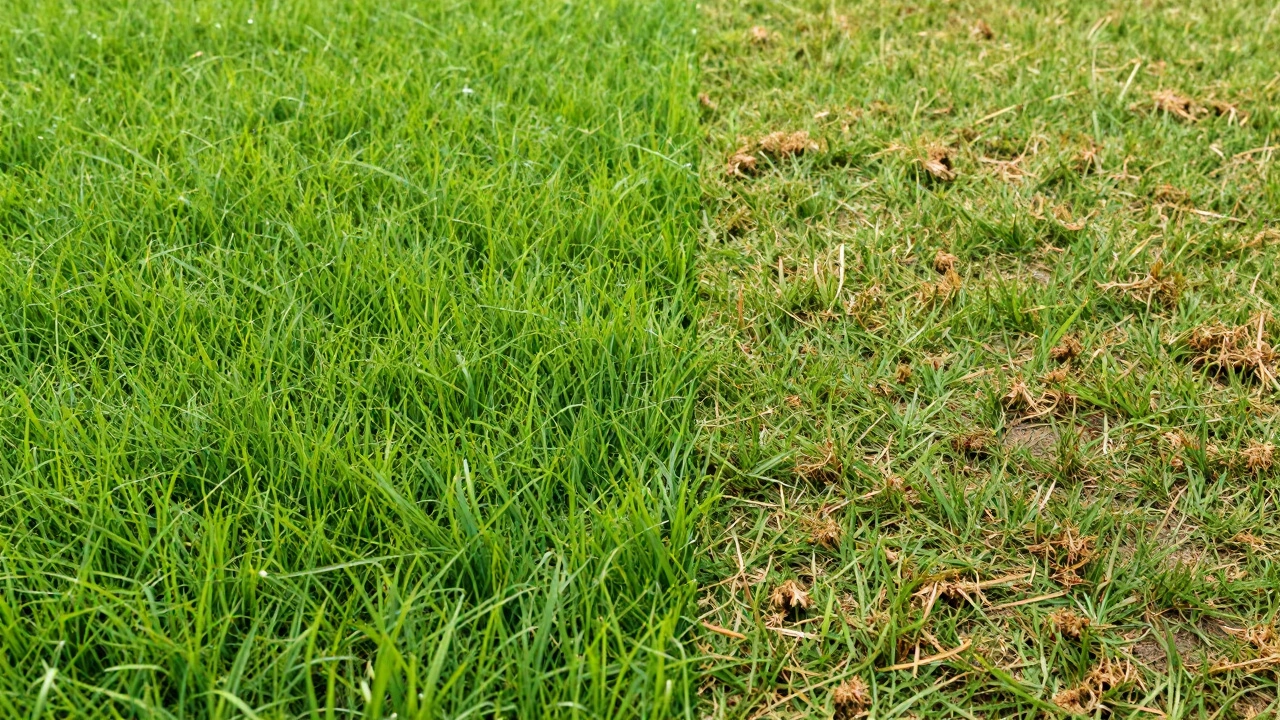
Have you ever looked at your neighbor's lush, green carpet of grass and wondered why yours looks patchy, brown, or stressed? The answer usually isn't about expensive fertilizer or secret watering schedules. It comes down to one simple mistake most homeowners make every time they pick up the mower: cutting too much.
This is where the One-Third Rule comes in. It is not just a suggestion; it is the golden standard for maintaining a healthy, resilient lawn. Simply put, you should never remove more than one-third of the grass blade’s total height in a single mowing session. If your grass is three inches tall, you should only cut off one inch. If it is six inches tall, cut two inches. That is the limit.
Ignoring this rule might seem harmless when you are trying to catch up after a busy week, but the consequences for your turf are severe. Let’s break down exactly how this rule works, why your grass needs it, and how to apply it throughout the changing seasons.
Why the One-Third Rule Matters for Your Lawn
To understand why this rule exists, you have to look at what grass actually is. Grass is not just decoration; it is a living plant with specific biological needs. When you mow, you are essentially pruning the leaves. Leaves are the solar panels of the plant-they capture sunlight to create energy through photosynthesis. This energy fuels root growth and overall survival.
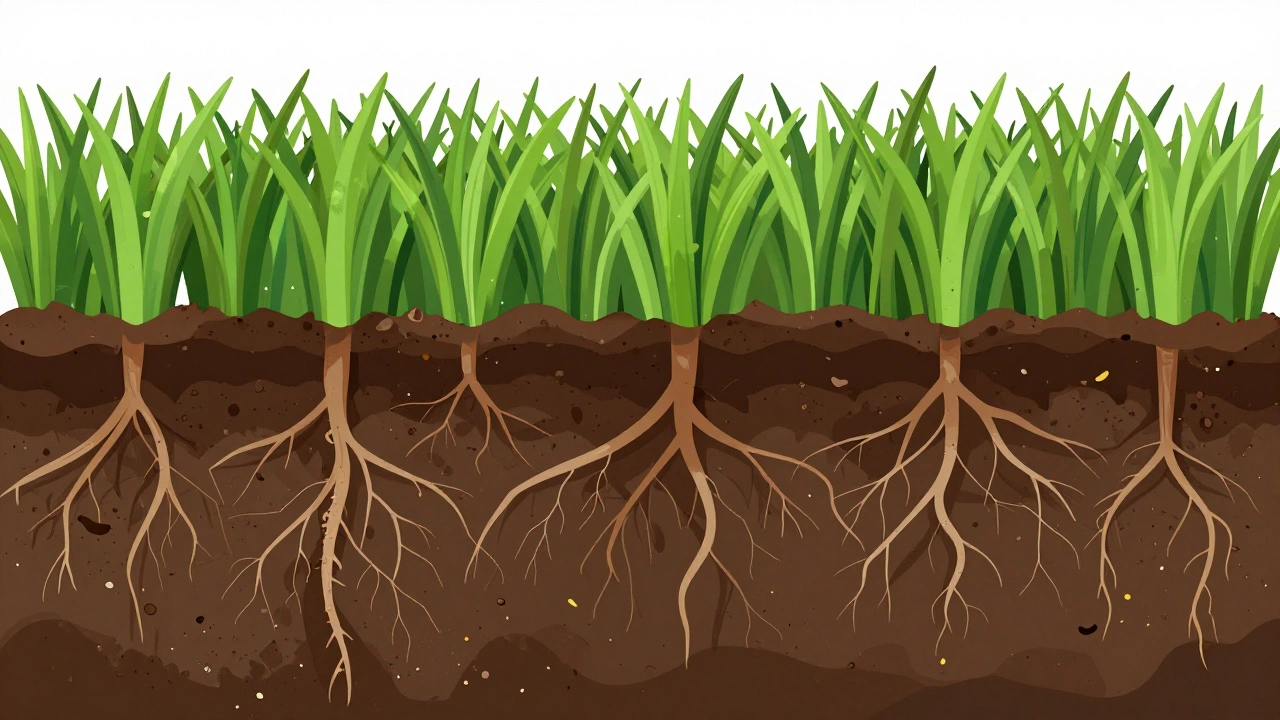
When you cut off more than one-third of the leaf surface, you shock the plant. You strip away too much of its ability to produce food. The grass has to divert all its remaining energy into regrowing those leaves rather than strengthening its roots. Over time, shallow roots lead to a lawn that dries out quickly, turns yellow in the heat, and invites weeds to take over.
There is also the issue of physical stress. Grass blades have a protective layer. Cutting them too short exposes the stem to sunscald and disease. Think of it like shaving your head on a hot summer day versus keeping some hair. The exposed skin gets burned much faster. Similarly, scalped grass suffers from moisture loss and becomes vulnerable to pests and fungal infections.
How to Apply the Rule in Practice
Applying the one-third rule requires a bit of planning and consistency. It is not something you can fix once the grass is already knee-high. Here is how to manage your mowing schedule effectively:
- Check your current height: Before you start, measure the tallest part of your grass. Use a ruler or simply estimate based on your mower deck setting.
- Calculate the max cut: Divide that height by three. This is the maximum amount you can remove safely.
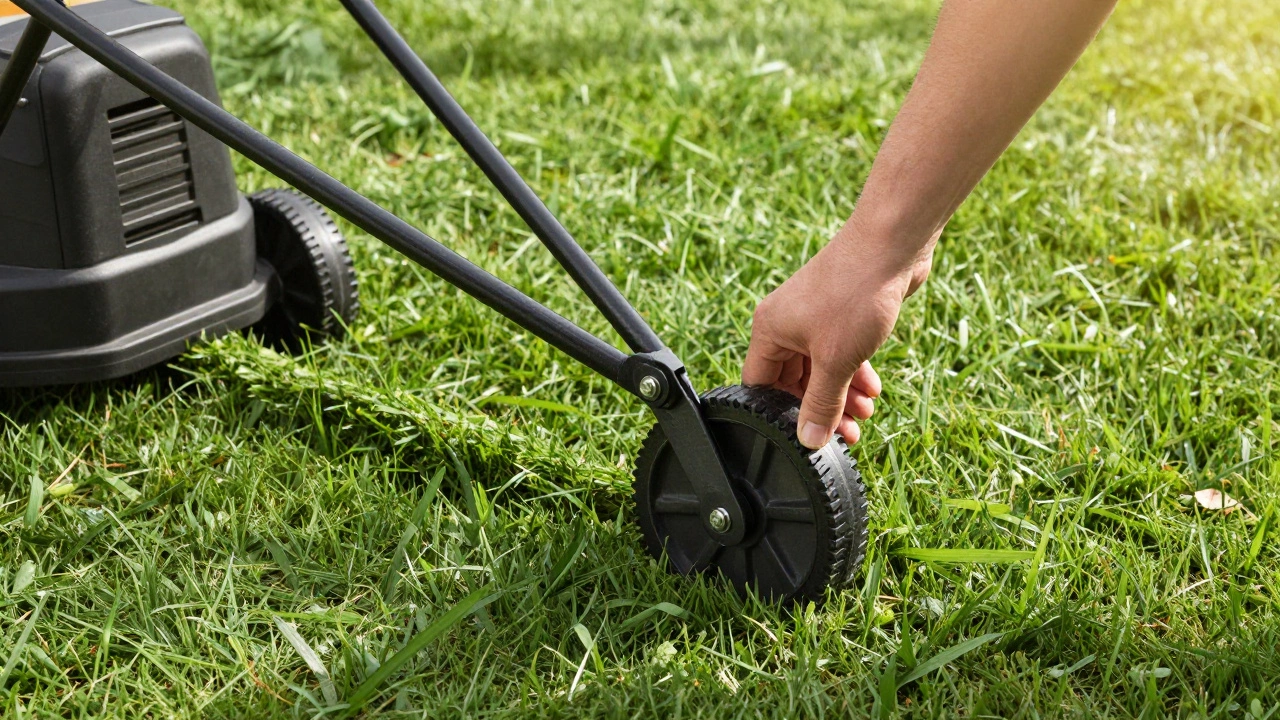
- Adjust your mower: Set your mower deck to achieve that cut. If your grass is 4.5 inches tall, do not set the mower to cut it down to 1 inch (a 3.5-inch removal). Instead, set it to cut down to 3 inches (a 1.5-inch removal).
- Mow frequently: The key to following this rule is frequency. In peak growing season, you may need to mow twice a week instead of once.
If you missed a few weeks and the grass is now way past the safe limit, resist the urge to chop it all down at once. Make multiple passes. Cut it back by one-third, wait a few days, then cut again. Yes, it takes more time, but your lawn will thank you later.
Seasonal Adjustments and Grass Types
The one-third rule applies year-round, but the target heights change depending on the season and the type of grass you have. Different grass species have different optimal heights for health and density.
| Grass Type | Ideal Height Range | Max Cut Amount |
|---|---|---|
| Kentucky Bluegrass | 2.5 - 4 inches | 0.8 - 1.3 inches |
| Fescue | 3 - 4 inches | 1 - 1.3 inches |
| Bermuda Grass | 1 - 2 inches | 0.3 - 0.6 inches |
| St. Augustine | 2 - 4 inches | 0.6 - 1.3 inches |
In spring and early summer, grass grows fast. You might be mowing every five to seven days. As temperatures rise in mid-summer, growth slows down. You can stretch the interval to ten or fourteen days. However, keep the height slightly higher during heatwaves. Taller grass shades the soil, reducing evaporation and keeping roots cooler. Cutting it short in July is a recipe for a brown, dead lawn.
In autumn, as growth slows again, avoid letting the grass get too long before the first frost. Long grass can mat down under snow or ice, trapping moisture and leading to winter diseases. Aim to finish the season with the grass at the lower end of its ideal range, but always respect the one-third limit even if it means an extra mow.
Common Mistakes That Break the Rule
Even experienced gardeners slip up. Here are the most common ways people accidentally violate the one-third rule and damage their lawns:
- The "Catch-Up" Mow: After a vacation or a busy work week, the grass looks wild. The temptation is to crank the mower low and blast through it. This is the worst thing you can do. Plan for two mowing sessions instead.
- Dull Blades: A dull mower blade tears the grass rather than cutting it cleanly. Torn grass tips turn brown and lose water rapidly. Even if you follow the height rule, dull blades cause stress. Sharpen your blades at least twice a season.
- Mowing When Wet: Wet grass clumps together and clogs the mower deck. This leads to uneven cuts and raking of the grass, which pulls at the roots. Always mow when the grass is dry.
- Ignoring Uneven Terrain: Slopes and bumps can cause the mower deck to dip, resulting in accidental scalping in low spots. Walk slowly and watch the deck clearance.
Benefits Beyond Just Looks
Following the one-third rule does more than keep your lawn looking neat. It creates a stronger ecosystem in your yard. Deeper roots mean better drought resistance. Thicker grass crowds out weeds because there is no space or light for weed seeds to germinate. This reduces your reliance on herbicides.
Additionally, healthier grass handles foot traffic better. If you have kids or pets playing in the yard, a lawn maintained with proper height rules recovers faster from wear and tear. The spongy, dense turf absorbs impact better than thin, stressed grass.
It also helps with soil health. By leaving clippings on the lawn (mulching), you return nutrients like nitrogen directly to the soil. But this only works if the clippings are small enough to decompose quickly. Following the one-third rule ensures the clippings are fine and disappear within a few days, acting as a free, natural fertilizer.
Tools and Techniques for Success
Your equipment plays a huge role in executing this rule correctly. Most modern rotary mowers have adjustable wheels. Learn how to use them. Many people leave the mower on the lowest setting out of habit. Take five minutes to raise the deck to the appropriate level for your grass type.
If you have a push mower, consider getting a reel mower for smaller areas. Reel mowers provide a scissor-like cut that is cleaner than the spinning blade of a rotary mower. This minimizes stress on the grass blade tip.
For larger yards, riding mowers often have hydraulic suspension decks that follow the contours of the ground. This helps prevent scalping on uneven terrain, ensuring you stick to the intended height across the whole lawn.
Finally, mark your mower deck. Some owners use a piece of tape on the wheel axle to indicate the correct height setting. This visual cue prevents accidental adjustments and keeps you consistent from week to week.
What happens if I cut my grass shorter than the one-third rule?
Cutting more than one-third of the grass blade shocks the plant, causing it to divert energy from root growth to leaf regeneration. This results in shallow roots, increased water needs, susceptibility to weeds, and potential browning or death of the grass due to sunscald and dehydration.
Can I still follow the one-third rule if my grass is very long?
Yes, but you must mow multiple times. If your grass is significantly overgrown, do not cut it all down at once. Remove one-third of the height, wait a few days for the grass to recover slightly, and then mow again. Repeat until you reach the desired height.
Does the one-third rule apply to all types of grass?
Yes, the principle applies to all cool-season and warm-season grasses. However, the absolute height you aim for varies. For example, Bermuda grass should be kept shorter (1-2 inches) than Kentucky Bluegrass (2.5-4 inches), but you should never remove more than one-third of the blade length in either case.
Should I bag the clippings or leave them on the lawn?
You should leave the clippings on the lawn if you follow the one-third rule. Small clippings decompose quickly and return valuable nutrients like nitrogen to the soil. Bagging is only necessary if the grass is extremely long or wet, which can create thick mats that block sunlight.
How often should I sharpen my mower blades?
Sharpen your mower blades at least twice per mowing season, or after every 20 hours of use. Dull blades tear the grass rather than cutting it cleanly, which causes brown tips and increases the risk of disease, negating the benefits of proper mowing height.