Rodent Identification & Defense Planner
Select the animal you suspect is raiding your garden to see specific defense strategies.
Rats
Large, bold, thick tails, blunt noses.
Mice
Small, cautious, thin tails, pointed snouts.
Voles
Short-tailed, dense grass lovers, tunnelers.
Field Mice
Wild adapted, prefer seeds/bulbs over greens.
Defense Plan
Recommended StrategyIdentification Signs
Required Barriers
Specific Action Steps
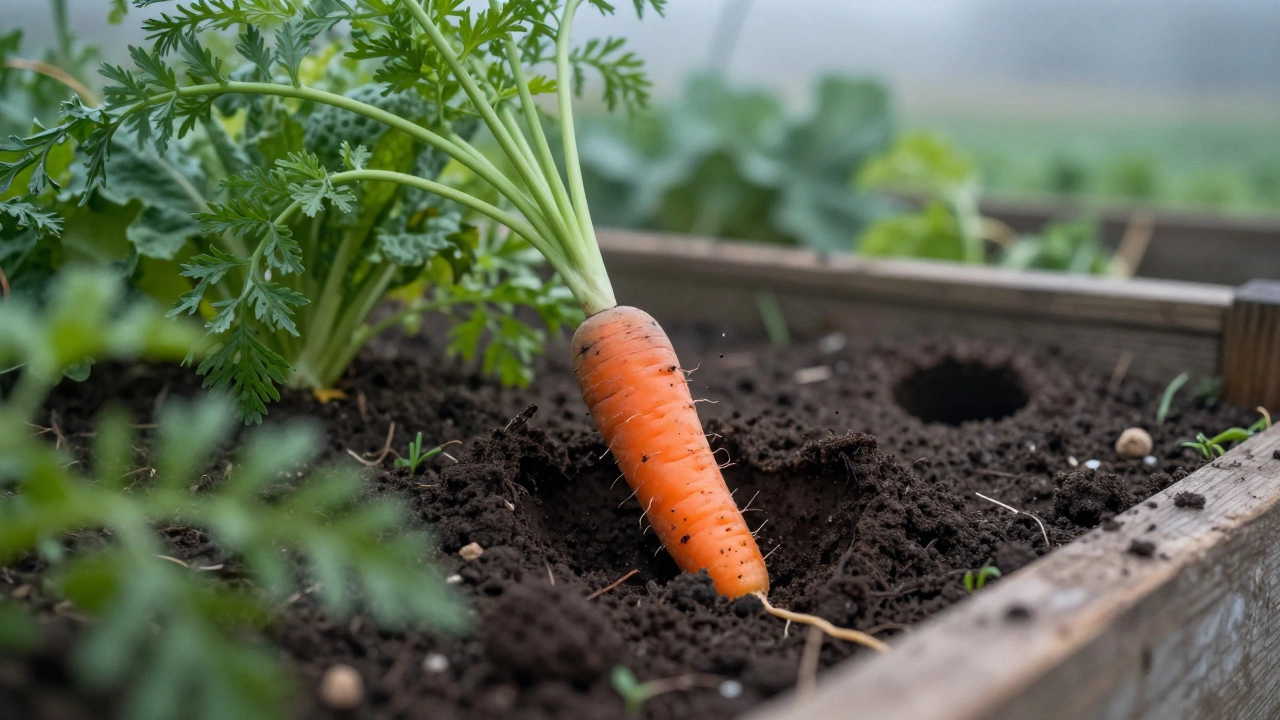
There is nothing quite like the satisfaction of pulling a crisp carrot or a plump potato from your own soil. But that joy turns to frustration when you dig up a hollowed-out root or find chewed stems overnight. If you live in the UK, particularly in areas like Brighton where gardens are lush and wildlife is abundant, rodents are likely the culprits behind your missing harvest.
Rats, mice, voles, and field mice don’t just nibble; they can decimate an entire crop in hours. They burrow under raised beds, chew through irrigation lines, and spread disease. The good news? You don’t need harsh chemicals to solve this. By combining physical barriers, habitat modification, and natural deterrents, you can create a fortress around your vegetables that pests simply won’t risk entering.
Identify the Invaders: It’s Not Just Mice
Before you start building fences, you need to know exactly who is raiding your patch. Different rodents have different habits, and treating them all the same way often leads to failure.
- Rats (Large rodents with thick tails and blunt noses) are bold and intelligent. They often enter gardens from sewers or neighboring properties. Look for large droppings (about 1cm long) and greasy rub marks along walls where their fur has left oil stains.
- Mice (Small rodents with pointed snouts and thin tails) are more cautious. Their droppings are tiny (3-6mm) and pellet-shaped. They squeeze through holes as small as a dime.
- Voles (Short-tailed rodents resembling large mice) love dense grass and mulch. They create shallow runways through vegetation and burrow directly under plant roots.
- Field Mice (Wild mice adapted to open fields) are common in rural gardens. They prefer seeds and bulbs over leafy greens.
Identifying the specific animal helps you choose the right exclusion method. Rats need heavy-duty hardware cloth, while mice require finer mesh. Voles need underground barriers because they tunnel deep.
The First Line of Defense: Exclusion and Barriers
The most effective way to rodent-proof your garden is to physically block access. This isn't about keeping them out entirely-nature finds a way-but about making entry too difficult to be worth their energy.
| Barrier Type | Best For | Installation Tip |
|---|---|---|
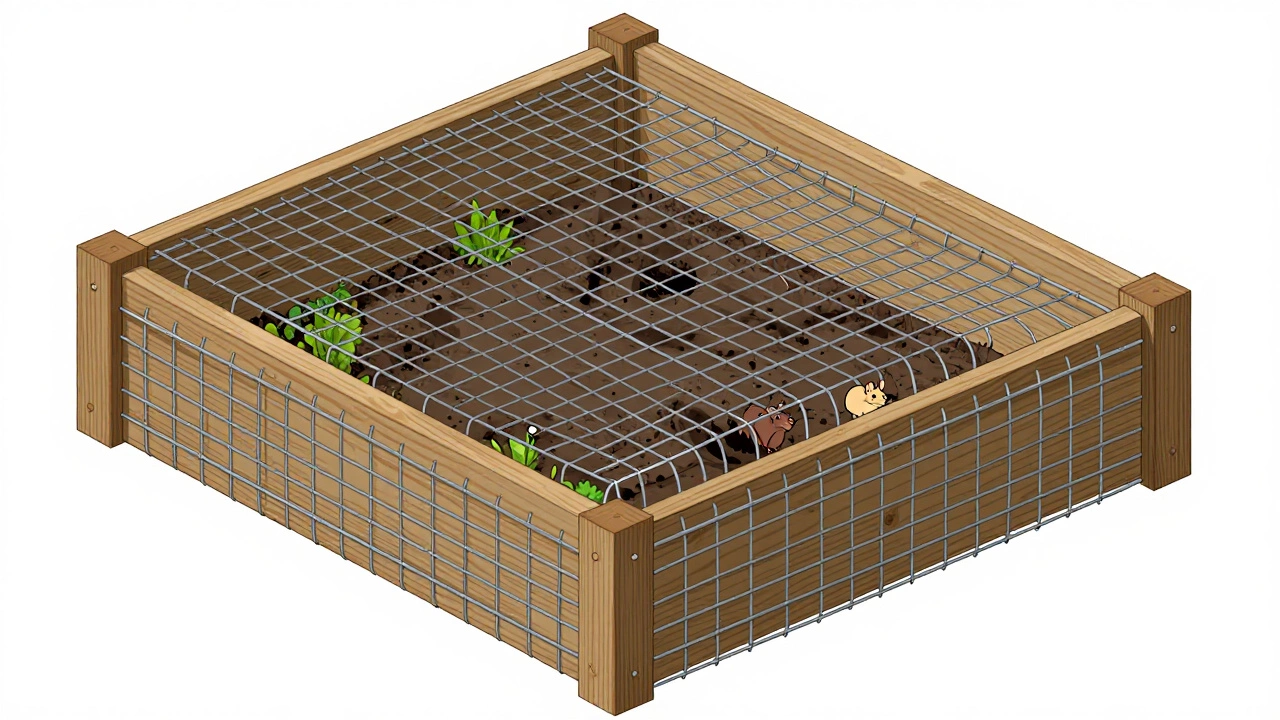
| Hardware Cloth | Raised beds, compost bins | Bury at least 6 inches deep and bend outward to form an 'L' shape. |
| Chicken Wire | Perimeter fencing (if galvanized) | Not recommended for mice; gaps are too wide. Use only for larger rats if no other option exists. |
| Root Guards | Individual bulb planting | Place bulbs inside wire cages before covering with soil. |
| Mesh Netting | Overhead protection for fruit trees | Secure tightly to prevent climbing. |
For raised beds, line the bottom and sides with hardware cloth (galvanized steel mesh). Standard chicken wire is useless against mice because they can chew through it or squeeze through the holes. Hardware cloth with 1/4-inch openings stops everything except insects.
When installing these barriers, remember the "L-shape" rule. Rodents are excellent diggers. If you just lay the mesh flat on the ground, they will dig underneath it. Instead, extend the mesh down into the soil and then turn it horizontally outward for another 6-8 inches. This creates a barrier that prevents digging from below.
Habitat Modification: Make Your Garden Uninviting
Rodents come to your garden for three things: food, water, and shelter. If you remove two of these, they will leave. Most home gardens accidentally provide all three.
Remove Shelter
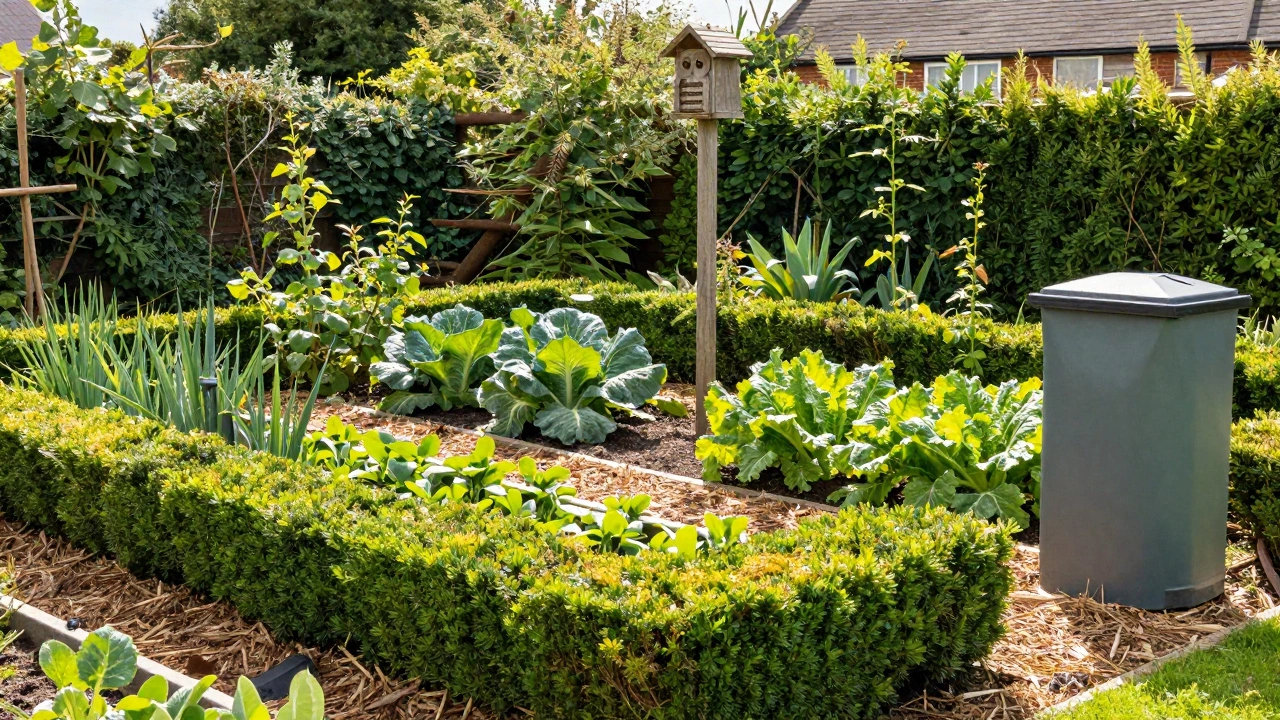
Dense vegetation is a rodent's best friend. Overgrown hedges, piles of leaves, and thick mulch layers provide perfect cover from predators like foxes and owls. Keep the perimeter of your garden clear. Trim back bushes so there are no low-hanging branches that connect to your roof or shed-rats use these as highways.
If you use mulch, keep it thin (no more than 2 inches) near the base of plants. Thick mulch is essentially a cozy hotel for voles and mice. Consider using gravel or stone pathways instead of wood chips in high-risk areas.
Control Food Sources
This is the hardest part for many gardeners. You want to grow food, but you don't want rodents to eat it. Here’s how to balance that:
- Harvest Immediately: Don’t let ripe fruits and vegetables sit on the vine or in the ground. Once a tomato is red or a carrot is mature, pick it. Leaving fallen fruit on the ground is like leaving a buffet table outside.
- Secure Compost: Open compost heaps attract rodents. Switch to a sealed compost bin with a tight-fitting lid. Avoid putting meat, dairy, or oily foods in your compost, as these smells draw rats from miles away.
- Bird Feeders: Surprisingly, bird feeders are major rodent magnets. Seeds spill onto the ground and become easy snacks. Move feeders away from your vegetable patch or switch to suet feeders that produce less waste.
Natural Deterrents and Predators
While exclusion is key, adding natural deterrents can reinforce your defenses. These methods work best when combined with physical barriers.
Encourage Natural Predators
The UK has several natural enemies of rodents. Owls, kestrels, and foxes are efficient hunters. You can encourage them by installing nest boxes for owls and kestrels on tall poles or trees near your garden. Ensure these boxes face open spaces so birds have a clear view for hunting.
Cats are also effective, but they must be outdoor-accessible and active hunters. A lazy indoor cat won’t help much. However, be aware that cats may also hunt your beneficial wildlife, so weigh the trade-offs.
Scent-Based Repellents
Rodents have sensitive noses. Strong, unpleasant odors can mask the scent of your vegetables and make the area feel unsafe. While commercial repellents exist, homemade options are cost-effective and safe:
- Mint Oil: Soak cotton balls in peppermint oil and place them around the perimeter of your beds. Reapply every few days, especially after rain.
- Garlic and Chili Spray: Blend garlic cloves and chili peppers with water, strain, and spray on plant leaves. This tastes terrible to rodents but doesn’t harm the plants.
- Cayenne Pepper: Sprinkle cayenne pepper powder around the base of vulnerable plants. The capsaicin irritates their paws and nose.
Note: Scent repellents degrade quickly. They are not a standalone solution but work well as a temporary boost during peak rodent activity seasons, typically autumn and winter.
Trapping: When Prevention Fails
Despite your best efforts, some rodents may still get in. In the UK, it is illegal to kill protected species, but rats and mice are not protected. Trapping is humane and effective if done correctly.
- Choose the Right Trap: Live traps are ethical but require you to relocate the animal far away (at least 2 miles), which can be stressful for the animal and risky for local ecosystems. Snap traps are faster and more reliable for population control.
- Bait Wisely: Peanut butter is the gold standard. It’s sticky, smelly, and irresistible. Avoid cheese-it’s a cartoon myth. Also try dried berries or nuts.
- Placement Matters: Place traps along walls, fences, or edges where rodents travel. They rarely venture into open spaces. Set traps perpendicular to the wall with the trigger end facing the barrier.
- Check Daily: Inspect traps every morning. Remove dead animals promptly to avoid attracting scavengers or spreading disease.
Never use poison. It kills rodents slowly and painfully, often causing them to die in hidden places where they decompose and smell. Worse, poisoned rodents can be eaten by pets or wildlife, leading to secondary poisoning.
Seasonal Strategies for UK Gardens
Rodent behavior changes with the seasons. In spring, they breed rapidly. In summer, they seek shade and water. In autumn, they look for food stores for winter. In winter, they move closer to human heat sources.
In Brighton, where winters are mild, rodents remain active year-round. Focus on exclusion in early spring before breeding peaks. Increase trapping efforts in late summer when young rodents disperse. In autumn, secure all storage sheds and greenhouses, as rodents seek warmth.
Common Mistakes to Avoid
- Ignoring Small Holes: A mouse can fit through a hole the size of a pencil. Seal any gaps in sheds, greenhouses, or fence lines with steel wool and caulk.
- Using Plastic Mesh: Rodents chew through plastic easily. Always use metal mesh.
- Leaving Water Sources: Fix leaky taps and drain standing water. Rodents need water to survive.
- Overlooking Neighbors: If your neighbor has a rat problem, it will eventually reach you. Coordinate efforts if possible.
Final Thoughts on Long-Term Success
Rodent-proofing your vegetable garden is not a one-time task. It’s an ongoing process of observation and adjustment. What works in May might fail in November. Stay vigilant, keep your garden tidy, and don’t hesitate to trap when necessary. With patience and persistence, you can enjoy a bountiful harvest without sharing it with unwanted guests.
What is the best material to stop rats digging under my raised bed?
Galvanized steel hardware cloth with 1/4-inch openings is the best material. Install it by lining the bottom and sides of the bed, burying it at least 6 inches deep, and bending the bottom edge outward horizontally to create an L-shape barrier that prevents digging underneath.
Can I use ultrasonic repellers in my vegetable garden?
Ultrasonic repellers have limited effectiveness in outdoor gardens. Sound waves dissipate quickly in open spaces and are blocked by plants and structures. They may work in small, enclosed areas like greenhouses, but they are not reliable for large outdoor vegetable patches.
Are moles considered rodents?
No, moles are insectivores, not rodents. They eat worms, grubs, and insects, not vegetables. However, their tunnels can damage roots. To deter moles, use castor oil-based repellents or install vibrating stakes that disturb their tunneling.
How do I keep mice out of my greenhouse?
Seal all gaps in doors, windows, and vents with steel wool and caulk. Install fine mesh screens over ventilation openings. Keep the floor clean of spilled seeds and debris. Use snap traps baited with peanut butter along the interior walls if mice enter.
Is it legal to trap and release rats in the UK?
It is legal to trap rats, but releasing them elsewhere is discouraged and may be problematic depending on location. Relocating rats can introduce them to new areas where they may cause further damage. Humane killing via snap traps is generally preferred for population control.
Why are my carrots being eaten from the top down?
If carrots are eaten from the top, it’s likely rabbits or deer rather than rodents. Rodents typically burrow and eat from the bottom or side. Check for footprints: rabbit tracks show hind feet landing ahead of front feet, while rodent tracks are smaller and paired closely together.
Do marigolds repel rodents?
Marigolds are often cited as natural pest repellents, but evidence for rodent deterrence is weak. They may help deter aphids and nematodes, but rodents are unlikely to avoid them solely due to scent. Combine marigolds with physical barriers for better results.
How often should I check my traps?
Check traps daily, preferably in the morning. Rodents are nocturnal, so traps set in the evening will likely catch something by dawn. Prompt removal of caught animals prevents odor buildup and reduces stress for surviving rodents.