Vegetable Garden Pest Defense Planner
Select your main crops and observed pests below to generate a customized, chemical-free defense plan based on the article's principles.
📝 Soil & Sanitation Reminder
Healthy soil resists stress. Rotate crops annually (4-year cycle). Keep beds clear of dead debris to hide slugs. Water at the base to prevent fungal issues.
You spend months nurturing your tomatoes, courgettes, and lettuces. You water them, feed them, and watch them grow. Then, one morning, you spot a ragged hole in a leaf or a cluster of tiny green insects on the underside of a stem. It’s frustrating, right? But here is the thing: vegetable garden pest control isn't about waging war against nature with chemicals. It's about creating an environment where pests can't thrive easily.
Most people think keeping bugs out means spraying something every week. That’s a mistake. If you spray everything, you kill the good guys too-the ones eating the aphids for you. Instead, you need a layered approach. Think of it like security for your home. You have fences, locks, alarms, and maybe even a dog. In the garden, we use physical barriers, smart planting, and biological allies to keep unwanted guests away.
Physical Barriers: The First Line of Defense
The most effective way to stop a bug is to physically prevent it from landing on your plant. This sounds obvious, but many gardeners skip this step because they think it looks messy or is too much hassle. Trust me, it saves hours of picking slugs off leaves later.
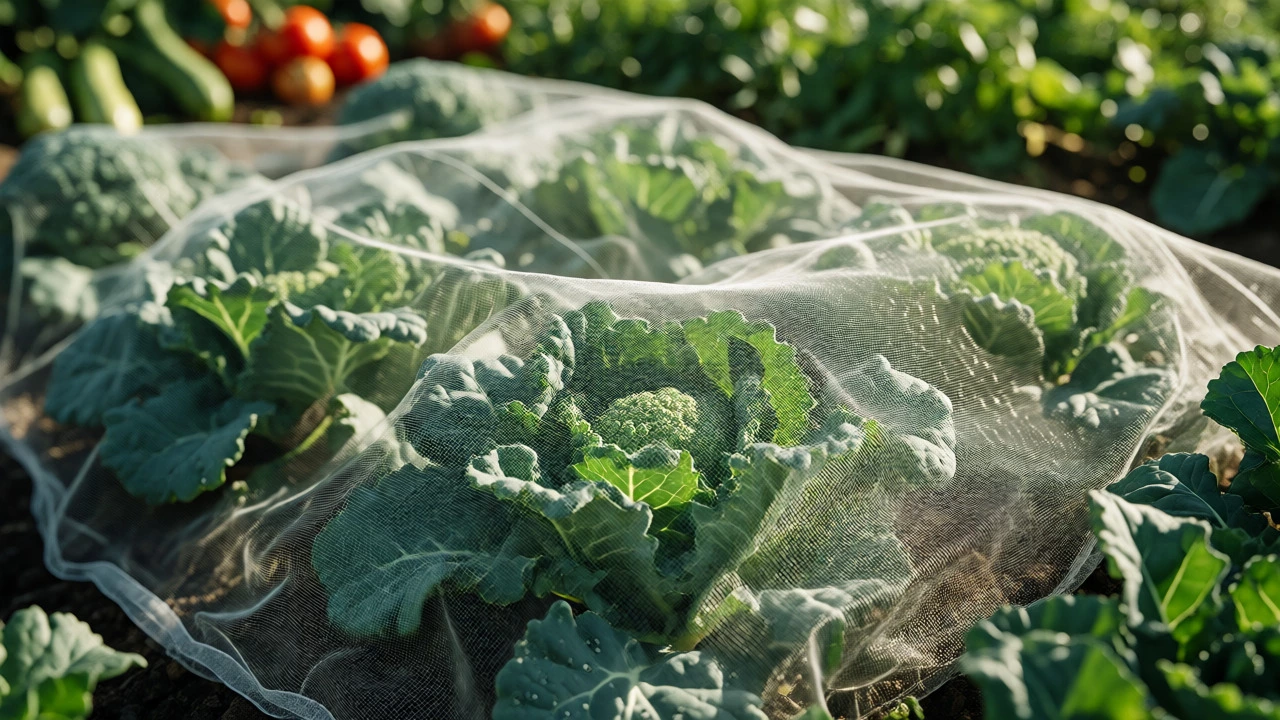
Fine mesh netting, a lightweight fabric barrier that blocks insects while allowing light and air through, is your best friend for brassicas like cabbage, kale, and broccoli. These crops are magnets for the Cabbage White butterfly. If you cover them early in spring, before the butterflies emerge, you won’t see a single caterpillar all summer. Just make sure the edges are buried in the soil. If there’s a gap at the bottom, slugs will crawl right under it.
For smaller plants or seedlings, consider using cloches or fleece covers. They protect against cold winds and flying pests alike. For root vegetables like carrots, covering the rows with fine mesh prevents the Carrot Fly from laying eggs near the base of the plant. This is crucial if you want clean, unblemished roots come harvest time.
- Fleece: Good for early season protection against frost and aphids.
- Netting: Essential for brassicas to block butterflies and moths.
- Cloches: Perfect for individual tomato plants or courgettes to exclude whiteflies.
Companion Planting: Confuse and Repel
Monocultures-large patches of just one vegetable-are bug buffets. Pests find their favorite food easily when it’s all in one place. Intercropping, or mixing different plants together, breaks up these scent trails. Some plants also emit odors that repel specific pests.
Take basil and tomatoes, for example. Many gardeners swear by this combo. While scientific consensus varies on whether basil truly repels whiteflies, it certainly adds biodiversity, which confuses pests looking for a specific host. More reliably, strong-smelling herbs like rosemary, sage, and thyme can deter carrot fly and cabbage moth. Plant them around the edges of your vegetable beds as a living hedge.
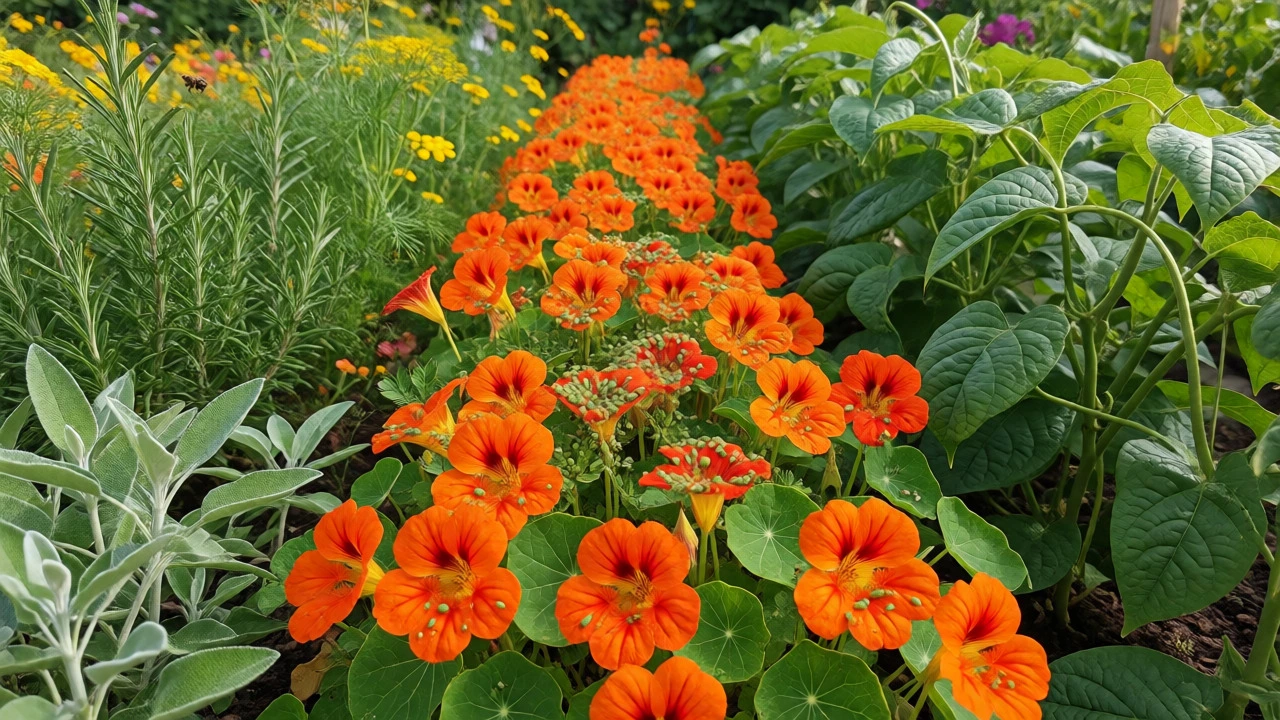
Nasturtiums are another classic trick. They act as "trap crops." Aphids love nasturtiums more than they love your beans or squash. So, you plant nasturtiums nearby, and the aphids swarm onto them instead of your precious vegetables. You then remove the nasturtium leaves (and the aphids) and toss them on the compost pile. It’s a sacrificial strategy that works surprisingly well.
| Vegetable | Best Companion | Pest Deterred | Mechanism |
|---|---|---|---|
| Carrots | Onions / Leeks | Carrot Fly | Scent masking |
| Tomatoes | Basil / Marigolds | Whitefly / Nematodes | Odor confusion / Root exudates |
| Brassicas | Dill / Sage | Cabbage Moth | Attracts parasitic wasps / Scent |
| Beans | Nasturtiums | Aphids | Trap cropping |
Encourage Natural Predators
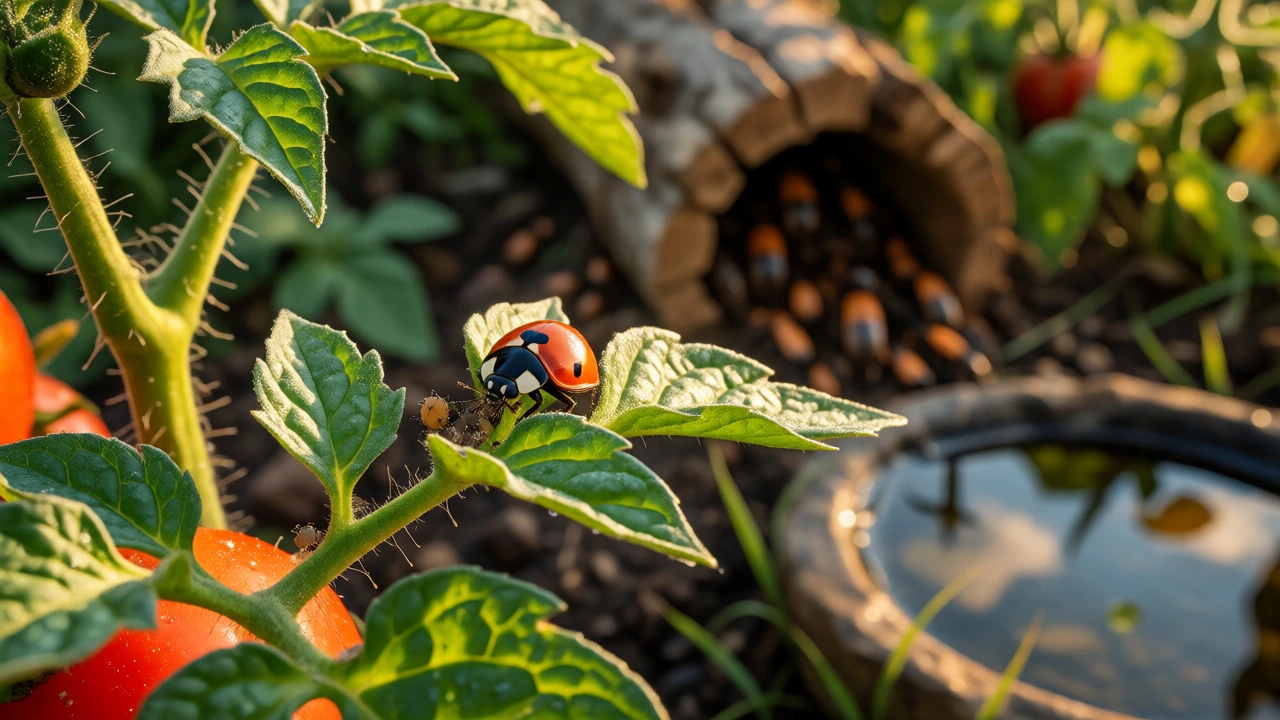
If you don’t have pests, you don’t have predators. And if you don’t have predators, you’ll never win the long-term battle. Ladybirds, lacewings, hoverflies, and ground beetles are voracious eaters of aphids, slugs, and snails. Your job is to invite them in.
How do you attract them? By providing food and shelter. Adult hoverflies and ladybirds feed on nectar and pollen. So, let some of your herbs go to flower. Let coriander, dill, and parsley bolt. These umbellifer flowers are perfect landing pads for beneficial insects. Also, leave a small patch of bare earth or a log pile in a corner of the garden. Ground beetles hide there during the day and hunt slugs at night.
Birds are also great allies. Blue tits can consume hundreds of caterpillars a day. Put up nest boxes and provide fresh water. However, birds can also be pests themselves-they might peck at your ripe strawberries. Use netting over fruit bushes if necessary, but generally, having birds around keeps the insect population in check without any effort from you.
Soil Health and Crop Rotation
Healthy plants resist pests better than stressed ones. A plant struggling in poor soil emits stress signals that attract insects. Focus on building rich, living soil. Add plenty of organic matter like compost or well-rotted manure. This improves drainage and nutrient availability, making your vegetables stronger.
Crop rotation is vital for breaking pest life cycles. If you grow potatoes in the same spot every year, Colorado potato beetles and wireworms build up in the soil. Move your crops annually. Follow a simple four-year cycle: legumes (beans/peas), brassicas (cabbage/kale), roots (carrots/beets), and solanaceous (tomatoes/potatoes). This ensures pests that target one family don’t find their host the next year.
Also, avoid over-fertilizing with nitrogen. Too much nitrogen makes soft, sappy growth that aphids absolutely adore. Stick to balanced feeding, focusing on potassium for strong cell walls that are harder for chewing insects to penetrate.
Sanitation and Monitoring
Lazy gardening invites pests. Dead leaves, fallen fruit, and rotting debris are hiding spots for slugs, snails, and disease spores. Clear away dead material regularly, especially in autumn. Burn or bin diseased foliage; don’t put it on the compost heap unless it’s a hot compost system that kills pathogens.
Inspect your plants weekly. Turn over leaves and check stems. Catching an infestation early makes it manageable. A few aphids can be squashed by hand or blasted off with a hose. If you wait until the whole plant is covered, you’re fighting a losing battle. Keep a notebook if you like tracking patterns. Note when pests appear each year so you can anticipate problems next season.
Watering habits matter too. Water at the base of the plant, not overhead. Wet foliage encourages fungal diseases like powdery mildew, which weakens plants and makes them susceptible to secondary pest attacks. Early morning watering allows leaves to dry quickly, reducing disease risk.
When to Intervene Directly
Sometimes, despite your best efforts, pests get through. When they do, choose the least toxic option first. Hand-picking large pests like caterpillars or beetles is effective for small gardens. A jar of soapy water is handy for dropping them into.
For sucking pests like aphids, a sharp jet of water from a hose can dislodge them. If that fails, try a homemade spray of diluted washing-up liquid. Test it on a few leaves first to ensure it doesn’t scorch the plant. Neem oil is another organic option that disrupts the life cycle of many insects. Apply it in the evening to avoid harming bees, which are less active then.
Remember, tolerance is key. You don’t need perfect leaves. A few holes mean your garden is part of an ecosystem. If 10% of your crop is eaten, that’s acceptable. It means you’re sharing the harvest with wildlife. Aim for balance, not perfection.
Do marigolds really keep bugs away?
Marigolds, specifically French Marigolds (Tagetes patula), are known to deter nematodes in the soil due to compounds released from their roots. They may also confuse flying insects with their strong scent, though evidence for repelling above-ground pests like aphids is mixed. They are excellent for attracting pollinators and adding biodiversity, which indirectly helps pest control.
Is neem oil safe for edible vegetables?
Yes, neem oil is generally considered safe for edible crops when used according to label instructions. It breaks down quickly in sunlight and rain. Always apply it in the early morning or late evening to minimize impact on pollinators and allow it to dry before the heat of the day. Wash produce thoroughly before eating.
How often should I rotate my crops?
You should rotate crops annually. Ideally, follow a four-year rotation plan where no plant family grows in the same spot more than once every four years. This prevents soil-borne pests and diseases from building up to damaging levels.
Can I use vinegar to kill weeds and pests?
Vinegar is primarily a herbicide, killing weeds on contact by burning their leaves. It is not very effective as a pest repellent for insects. High concentrations can harm plant foliage if sprayed directly on vegetables, so use it cautiously and only on weeds.
Why are my brassicas getting holes in the leaves?
Holes in brassica leaves are usually caused by Cabbage White caterpillars. These come from the Cabbage White butterfly. To prevent this, cover your plants with fine mesh netting from early spring onwards to stop the butterflies from laying eggs on the leaves.