Organic Fertilizer Safety & Prop 65 Risk Assessor
Confused by warning labels? Use this tool to evaluate if your chosen fertilizer is safe for your specific garden needs.
Select options and click "Assess" to see your risk analysis.
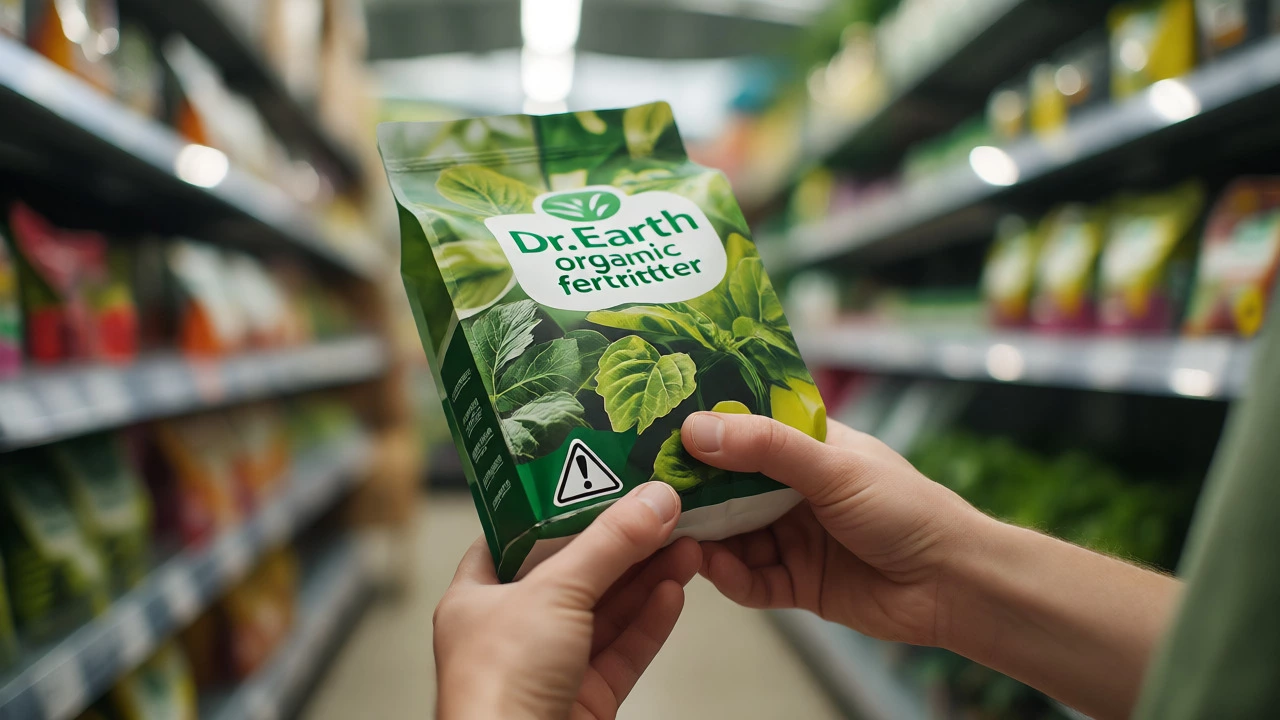
You’re standing in the garden centre aisle, holding a bag of Dr. Earth organic fertilizer and compost. It looks safe. The label says "100% Natural," "All-Natural," and maybe even shows happy vegetables growing on it. But then you spot it: a small triangle with an exclamation mark or text that reads Proposition 65. Your heart skips a beat. Is this stuff toxic? Why does something marketed as safe for food gardens carry a warning about cancer and reproductive harm?
If you live in the UK, you might be importing these products or seeing them online, wondering if they meet our strict standards. If you’re in California (where the law originates), you see this on everything from coffee to garden soil. Here is the truth: the presence of a Prop 65 warning does not automatically mean a product is dangerous. In fact, for natural fertilizers like Dr. Earth, it’s often a legal technicality rather than a health hazard. Let’s break down exactly why this happens, what’s actually inside the bag, and how to decide if it’s right for your raised beds.
The Misunderstanding Behind Proposition 65
To understand the warning, you have to understand the law behind it. California Proposition 65, officially known as the Safe Drinking Water and Toxic Enforcement Act of 1986, isn’t a ban list. It’s a disclosure law. The state maintains a list of over 900 chemicals known to cause cancer, birth defects, or other reproductive harm. If a product contains any amount of these chemicals above a specific "safe harbor" level, the manufacturer must warn consumers.
Here is the catch: those "safe harbor" levels are incredibly low. For some substances, the threshold is set at one-thousandth of the level shown to cause effects in animal studies. This means a product can contain trace amounts of a listed chemical-amounts that pose zero risk to humans-and still legally require a warning label.
Manufacturers face a choice: perform expensive testing to prove their product falls below these microscopic thresholds, or just slap on the warning label to avoid lawsuits. Most companies choose the latter. It’s cheaper and safer for their lawyers. So, when you see that label on Dr. Earth, you aren’t necessarily looking at a poison; you’re looking at a liability shield.
What’s Actually in Dr. Earth Fertilizer?
Dr. Earth is a brand specializing in all-natural, non-GMO organic fertilizers. Their ingredients include things like fish bone meal, feather meal, alfalfa meal, kelp, and bat guano. These are biological materials, not synthetic chemicals created in a lab.
So why would natural ingredients trigger a chemical warning? Because nature itself contains trace elements. Plants absorb minerals from the earth, including heavy metals like lead, cadmium, and arsenic. These elements exist naturally in soil and water. When we harvest plants, process fish, or collect manure, those trace metals come along for the ride.
| Component | Source Type | Typical Trace Metals Present | Prop 65 Risk Level |
|---|---|---|---|
| Fish Bone Meal | Animal Byproduct | Cadmium, Lead | Moderate (Due to ocean accumulation) |
| Bat Guano | Animal Waste | Nitrogen compounds, minor metals | Low to Moderate |
| Kelp/Seaweed | Marine Plant | Arsenic, Cadmium | Low (Natural uptake) |
| Synthetic Urea | Petroleum-derived | Biuret (impurity) | Low (But lacks micronutrients) |
For example, Cadmium is a heavy metal often found in phosphate rocks and marine sources. It accumulates in bones and shells. Since Dr. Earth uses fish bone meal and kelp, trace amounts of cadmium are inevitable. It doesn’t mean the fertilizer is contaminated by industrial waste; it means it’s made from real biological matter.
Is It Safe for Your Vegetable Garden?
This is the question that keeps home gardeners up at night. If I grow tomatoes in soil treated with Dr. Earth, will I eat lead? The short answer: almost certainly no, not in any quantity that matters.
The concentrations of heavy metals in certified organic fertilizers are typically well below the limits set by the USDA National Organic Program and even stricter European Union regulations. The EU has some of the tightest controls on heavy metals in fertilizers, particularly for cadmium and nickel. If a product meets EU standards for import into the UK, it is generally considered safe for food production.
Consider the biology of plant uptake. Plants don’t absorb heavy metals linearly. There is a saturation point. At the low levels found in organic amendments, the risk of bioaccumulation in fruiting crops like tomatoes or peppers is negligible compared to the benefits of improved soil structure and microbial life. You are getting nitrogen, phosphorus, potassium, and beneficial microbes without the salt buildup associated with synthetic salts.
However, caution is wise with leafy greens. Leafy vegetables like spinach and lettuce tend to accumulate more cadmium and lead from the soil surface than root vegetables or fruits do. If you are growing salad mixes in heavily amended containers, rinsing your produce thoroughly remains the best defense against any particulate matter.
UK Context: What About Our Standards?
Since you are likely reading this from the UK context given the interest in best compost UK options, it is vital to distinguish between US and UK regulations. The UK follows The Fertilisers Regulations 2022 (retained EU law). These regulations set maximum levels for contaminants like cadmium, mercury, and thallium in solid mineral-organic fertilizers.
Dr. Earth products sold in the US may carry a Prop 65 warning because they are tested against Californian thresholds, which differ from UK/EU thresholds. A product compliant with EU limits might still trigger a Prop 65 warning in the US due to different calculation methods or lower "no significant risk levels." Conversely, a product banned in the EU for high cadmium might pass in the US.
If you are buying Dr. Earth in the UK via online retailers, check if the seller provides a Material Safety Data Sheet (MSDS) or a Declaration of Conformity for UK standards. Often, the "warning" is simply the US packaging printed on the global export box. It doesn’t mean the product failed UK tests; it means it didn’t clear the ultra-low US disclosure bar.
When Should You Worry About Heavy Metals?
Not all warnings are equal. You should differentiate between a generic "contains listed chemicals" warning and specific contamination issues. Here is how to assess the risk:
- Check the Source: Is the fertilizer derived from mined rock phosphate or recycled biosolids? Mined phosphate is more likely to contain cadmium. Biosolids (sewage sludge) can contain a wider mix of urban pollutants. Dr. Earth primarily uses renewable resources like fish and plant meals, which are generally cleaner than mined alternatives.
- Look for Third-Party Certifications: Labels like OMRI Listed (Organic Materials Review Institute) indicate the product has been reviewed for use in organic farming. While OMRI doesn’t guarantee zero metals, it ensures the ingredients are approved and sourced responsibly.
- Test Your Soil: If you are worried, spend £30-£50 on a professional soil test. Local agricultural labs in the UK can test for pH, NPK, and heavy metals. This gives you concrete data rather than relying on label anxiety.
In my own raised beds here in Brighton, I use a mix of local council green waste compost and occasional bags of organic feed. I’ve never seen adverse effects on yield or taste. The key is moderation. Over-applying any fertilizer, organic or synthetic, can throw off soil chemistry. Follow the package rates-usually around 1 lb per 100 square feet for established beds-and you’ll stay within safe zones.
Alternatives to Dr. Earth in the UK
If the Prop 65 label bothers you, or if shipping costs make Dr. Earth prohibitive, there are excellent UK-native alternatives that offer similar nutrient profiles without the imported baggage.
| Product Brand | Main Ingredients | Prop 65 Status | Best For |
|---|---|---|---|
| Dr. Earth | Fish bone, alfalfa, kelp | Yes (Warning Label) | Veg patches, general feeding |
| Westland John Innes | Loam, peat-free blends | No (UK Standard) | Potting, seed starting |
| SeaFeed | Seaweed extract | No (Liquid concentrate) | Liquid feeding, stress relief |
| Manure Pellets (Local) | Dried horse/cow manure | N/A (Raw material) | Soil conditioning, slow release |
For many UK gardeners, locally sourced manure pellets or council-approved composts are superior choices. They support local agriculture, reduce carbon footprint from shipping, and are regulated under familiar UK laws. However, if you specifically want the quick-release nitrogen boost that fish-based feeds provide, Dr. Earth remains a highly effective option, provided you understand the warning is procedural.
Practical Tips for Using Organic Fertilizers Safely
Regardless of the brand, good hygiene practices eliminate almost all residual risks associated with organic inputs.
- Wear Gloves: Always wear gardening gloves when handling dry organic fertilizers. Dust from dried manure or bone meal can irritate lungs and skin.
- Water After Application: Organic fertilizers need moisture to break down. Watering them in helps bind dust particles and starts microbial activity immediately.
- Don’t Eat Straight From the Bag: Obvious, but worth saying. Wash hands after working with soil amendments before touching food or faces.
- Rotate Crops: To prevent any potential buildup of specific nutrients or trace elements, rotate your planting families each year. This also breaks pest cycles.
The fear of the Prop 65 warning is understandable. We want clean food. But in the case of Dr. Earth, the warning reflects the complexity of regulating natural products against rigid chemical lists, not a failure of safety. By understanding the source of the warning and maintaining basic garden hygiene, you can confidently use these products to grow healthy, vibrant plants.
Does the Prop 65 warning mean Dr. Earth fertilizer is toxic?
No. The warning indicates the product contains trace amounts of chemicals listed by California, such as lead or cadmium, above very low reporting thresholds. These levels are typically far below what poses a health risk to humans, especially when used as directed in gardening.
Is Dr. Earth fertilizer safe for edible plants?
Yes, it is widely used for vegetable gardens. The trace metals present are natural components of biological ingredients like fish meal and seaweed. Rinsing produce thoroughly reduces any minimal surface residue risk.
Why do UK composts not have Prop 65 warnings?
Proposition 65 is a California-specific law. UK products follow The Fertilisers Regulations 2022, which have different labeling requirements and contaminant limits. A product compliant in the UK may not display the US warning unless it is packaged for the US market.
What causes heavy metals in organic fertilizer?
Heavy metals occur naturally in the earth's crust. Plants and animals absorb them from soil and water. Therefore, organic ingredients like bone meal, kelp, and manure naturally contain trace amounts of elements like cadmium and lead.
Should I stop using Dr. Earth if I see the warning?
Not necessarily. If you prefer to avoid products with this label for peace of mind, look for UK-sourced alternatives like Westland or local manure pellets. Otherwise, continue using it with standard hygiene practices like washing hands and produce.