Greenhouse Plant Problem Solver
Select the primary symptoms you are seeing in your greenhouse plants to get a diagnosis and fix.
Did you know?
A greenhouse doesn't grow plants; it amplifies conditions. If the air cannot escape, an unventilated greenhouse can spike from 15°C to 30°C in just one hour.
It feels like a betrayal. You’ve built the perfect sanctuary for your seedlings, shielding them from the erratic British weather. You water them, you feed them, and yet, they are wilting, yellowing, or rotting right before your eyes. If you are asking yourself why your greenhouse is killing your plants, you are not alone. In fact, it is one of the most common frustrations for gardeners in the UK.
The irony is that a greenhouse does not grow plants; it amplifies conditions. If those conditions are slightly off, the structure becomes an oven, a sauna, or a freezer far faster than the open garden. The problem is rarely the glass or the plastic itself. It is almost always how we manage the microclimate inside.
The Silent Killer: Overheating and Lack of Ventilation
Imagine wearing a thick winter coat while running a marathon on a sunny day. That is what happens to your plants when the sun hits the glazing but the air cannot escape. On a mild spring morning in Brighton, the outside temperature might be a pleasant 15°C (59°F). Inside an unventilated greenhouse, that can spike to 30°C (86°F) within an hour.
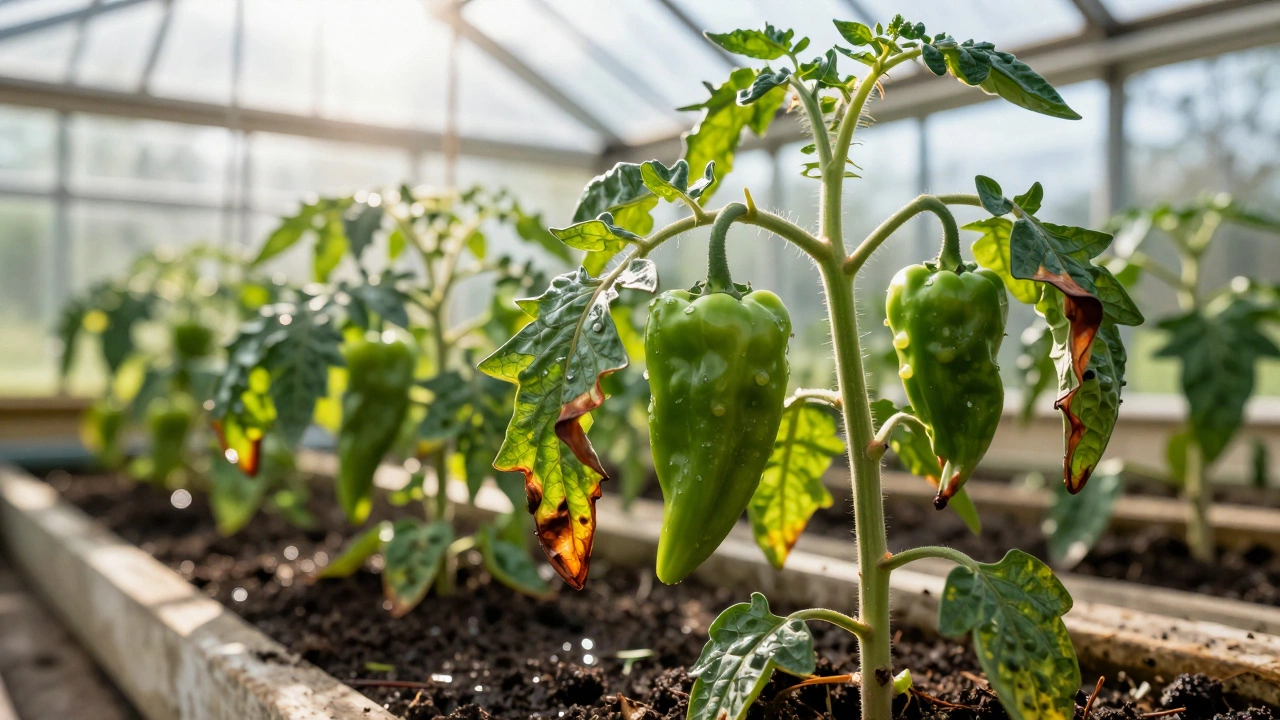
Most houseplants and early-season crops like tomatoes and peppers suffer heat stress above 25°C (77°F). When it gets hotter, their stomata-the tiny pores on leaves-close up to stop water loss. This stops photosynthesis. The plant essentially suffocates and starves simultaneously. You will see this as scorched leaf edges, drooping despite wet soil, or flowers dropping off prematurely.
How much ventilation do I really need?
You need at least 20% of the floor area in vent space. For example, if your greenhouse is 6m², you need 1.2m² of openable vents. Roof vents are crucial because hot air rises. Side vents help with cross-breezes. Without this, you are baking your plants.
The fix is mechanical. Install automatic roof ventilators that open when temperatures hit a set point, usually around 18-20°C. Do not rely on manual opening unless you plan to sit in the garden all day. If you cannot install roof vents, ensure side doors are propped open wide during sunny spells. Shade cloth is also a lifesaver in summer, reducing internal temps by several degrees without blocking light entirely.
The Damp Trap: High Humidity and Fungal Diseases
If overheating is the summer enemy, humidity is the year-round villain. A greenhouse traps moisture from evaporation and transpiration. When warm, moist air hits cooler glass or plastic, condensation forms. Those water droplets drip onto leaves, creating a perfect breeding ground for fungal spores.
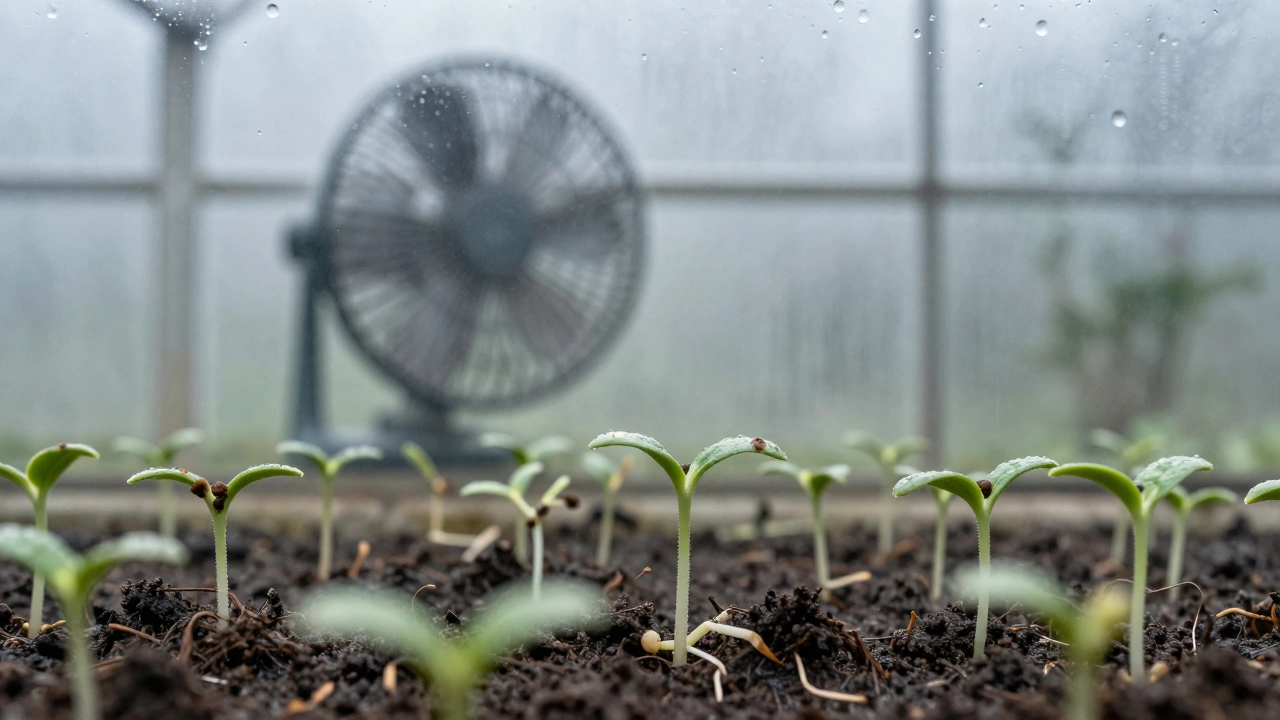
In the UK, where rain is frequent, high humidity leads rapidly to issues like Botrytis (grey mould), powdery mildew, and damping-off in seedlings. Damping-off is particularly cruel; it kills young stems at the soil line, causing them to collapse overnight. You might think you overwatered, but it was actually the stagnant, damp air.
To break this cycle, you need airflow. A simple oscillating fan placed inside the greenhouse disrupts the boundary layer of still air around the leaves. This keeps the air moving and prevents condensation from settling. Water your plants in the morning so any excess moisture evaporates during the day, not sits on leaves through the night. And never water overhead if you can avoid it; aim for the base of the plant.
Cold Shock: The Invisible Winter Threat
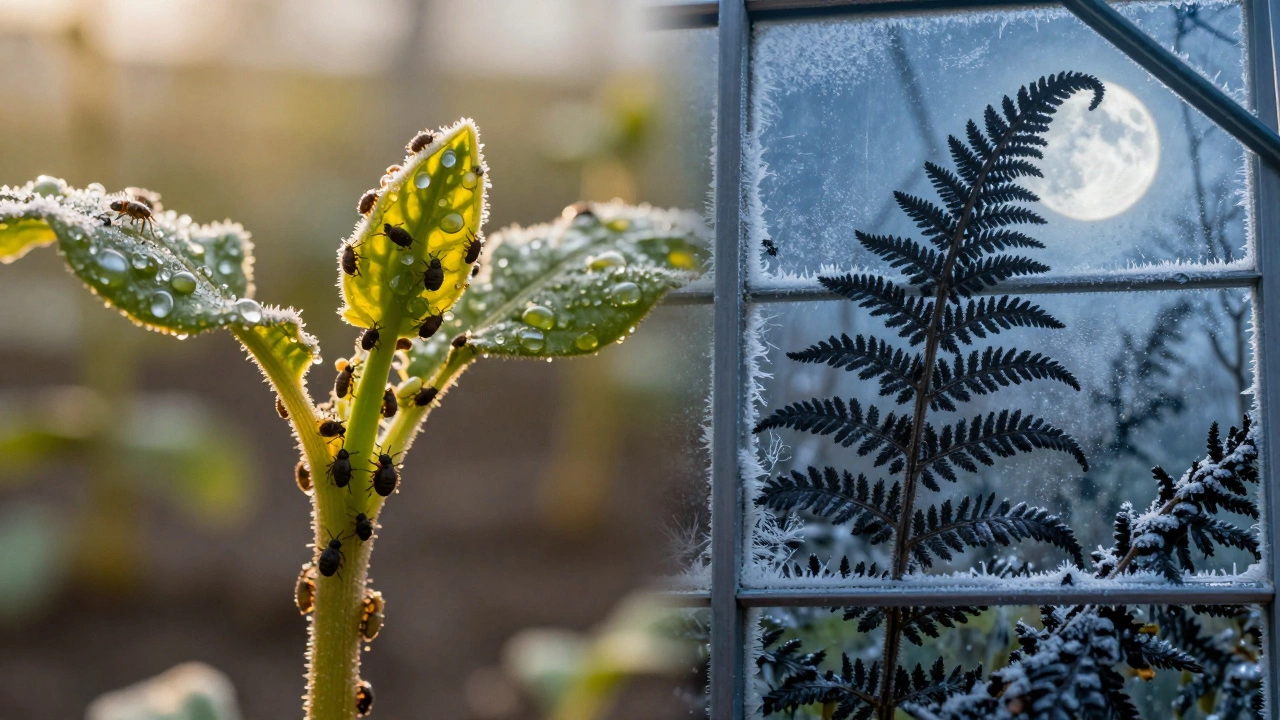
We often focus on summer heat, but the UK winter can be just as deadly. Glass and polycarbonate offer little insulation. On a clear, calm night, radiative cooling can cause the internal temperature to drop below freezing even if the outside air is only -2°C. Tender plants like orchids, ferns, and citrus trees have no chance against this sudden chill.
Frost damage looks distinct. Leaves turn black, mushy, or translucent. The cell walls rupture as ice crystals form inside them. Once thawed, the tissue collapses. This is not a gradual decline; it is instant death for the affected parts.
Protection requires layers. Bubble wrap on the outside of the glazing acts as an insulator, keeping the cold out and the residual heat in. Remove it in spring to let the light back in. For potted plants, move them away from the glass walls, which are the coldest surfaces. Group pots together to create a warmer microclimate. If you have a heating system, ensure the thermostat is working. A cheap electric heater with a fan can save a collection of expensive plants during a snap freeze.
Watering Mistakes: Too Much, Too Little, Wrong Way
It sounds obvious, but watering errors account for half of all greenhouse plant deaths. The environment changes everything. In a greenhouse, soil dries out faster due to heat but stays wetter due to lack of wind. This contradiction confuses many gardeners.
Overwatering is the bigger culprit. Roots need oxygen as much as they need water. When soil is saturated, air pockets fill with water, leading to root rot. Symptoms include yellowing lower leaves and a general lack of vigor. The soil may look dry on top but be soggy underneath-a trick known as "false dryness." Always check moisture depth with your finger or a moisture meter, not just by looking at the surface.
Underwatering causes crispy, brown leaf tips and shriveling. This often happens in peak summer when the demand for water exceeds the supply. Ensure your watering cans are full and your hoses reach every corner. Self-watering pots or capillary mats can help maintain consistent moisture levels for thirsty crops like lettuce and herbs.
Pests Thriving in Paradise
A greenhouse is a buffet for pests. Aphids, whiteflies, red spider mites, and thrips love the warm, humid conditions. They reproduce rapidly indoors because there are few natural predators like birds or ladybugs to keep them in check.
Infestations start small. You might see a few aphids on a new shoot. Within days, they can cover the entire plant, sucking sap and weakening it. Worse, they transmit viruses. Whiteflies leave behind sticky honeydew, which leads to sooty mould, further blocking sunlight from reaching the leaves.
Prevention is key. Inspect new plants before bringing them inside. Quarantine them for a week if possible. Use yellow sticky traps to monitor for flying insects. For treatment, neem oil or insecticidal soap works well for soft-bodied pests. Encourage beneficial insects like hoverflies and lacewings by planting companion flowers or purchasing them online. Biological control is more sustainable than chemical sprays in a confined space.
Nutrient Burn and Salt Buildup
Feeding plants too much is easier than you think. In a greenhouse, plants grow faster, so they seem to need more food. But excessive fertilizer leads to salt buildup in the soil. These salts draw water out of the roots, causing physiological drought. You will see burnt leaf margins and stunted growth.
Also, tap water in some parts of the UK is hard, meaning it contains high levels of calcium and magnesium. Over time, this raises the pH of the soil, locking out nutrients like iron and manganese. Acid-loving plants like blueberries and azaleas will show chlorosis (yellowing between leaf veins) as a result.
Flush the soil occasionally with plain water to leach out excess salts. Use rainwater for sensitive plants. Follow feeding instructions strictly-less is often more. Organic feeds release nutrients slowly, reducing the risk of burn compared to synthetic liquid fertilizers.
Light Stress: Too Bright or Too Dim
While we associate greenhouses with light, too much can be harmful. Direct midday sun through glass can intensify UV radiation, scorching delicate leaves. This is especially true for shade-loving plants like ferns or hostas moved indoors for winter protection.
Conversely, in winter, light levels drop significantly. Plants may become leggy, stretching towards the weak light. They lose color and produce fewer flowers. This is etiolation. While you cannot change the length of the day, you can maximize light by cleaning the glass regularly. Dirt and algae block significant amounts of sunlight. Reflective mulch or white paint on the floor can bounce light back up to the lower leaves.
| Symptom | Likely Cause | Immediate Action |
|---|---|---|
| Wilting in hot weather | Heat stress / Closed stomata | Open vents, mist leaves, provide shade |
| Yellowing lower leaves | Overwatering / Root rot | Stop watering, improve drainage, check roots |
| Black/mushy stems | Frost damage | Remove dead tissue, insulate with bubble wrap |
| White powdery spots | Powdery mildew (Humidity) | Improve airflow, apply bicarbonate spray |
| Sticky leaves + ants | Aphids / Whiteflies | Use sticky traps, spray with neem oil |
Structural Issues: Leaks and Drafts
An old greenhouse with cracked seals or broken panes creates unpredictable microclimates. Cold drafts can kill tender shoots, while leaks can soak soil unevenly. Check the frame integrity annually. Replace broken glazing promptly. Seal gaps around door frames to prevent cold air ingress in winter and hot air escape in summer. A well-sealed structure is easier to control.
Final Thoughts on Control
Your greenhouse is not a magic box. It is a tool that requires active management. The plants dying inside are sending signals. Wilting means heat or thirst. Yellowing means water or nutrient issues. Blackening means cold or disease. Learn to read these signs. Adjust your ventilation, watering, and heating accordingly. With attention to detail, your greenhouse will transform from a plant killer into a thriving nursery year-round.
Can I use a dehumidifier in my greenhouse?
Yes, but it is often overkill. Fans and ventilation are cheaper and more effective for most home greenhouses. Dehumidifiers are useful in very small, sealed spaces or for propagating cuttings where humidity must be precisely controlled. For general growing, airflow is your best friend.
Why are my tomato plants turning yellow in the greenhouse?
Yellowing tomato leaves usually indicate nitrogen deficiency or overwatering. If the lower leaves are yellow, the plant is redirecting nutrients to new growth. Feed with a balanced tomato fertilizer. If the soil is constantly wet, reduce watering frequency. Ensure the pot has good drainage holes.
Is it better to have a glass or polycarbonate greenhouse?
Glass provides clearer light and lasts longer but is heavier and breaks easily. Polycarbonate is lighter, safer, and offers better insulation, making it easier to keep warm in winter. For UK climates, polycarbonate is often preferred for its thermal properties and durability against hail.
How do I stop slugs in my greenhouse?
Slugs enter through gaps under doors or vents. Seal these gaps with brush strips. Keep the floor clean of debris where they hide. Use copper tape around pots, as slugs dislike the texture. Beer traps or nematodes are also effective organic controls.
Should I heat my greenhouse in winter?
Only if you are growing tender plants or extending the season for crops like lettuce. For hardy plants, heating is unnecessary. Focus on insulation instead. If you do heat, aim for minimum 5-7°C above freezing to protect against frost, rather than trying to maintain tropical temperatures.