UK Top Dressing Calculator
Recommendation
It’s early June in Brighton. The air is warm, the rain has finally stopped for the afternoon, and you’re staring at a patch of lawn that looks more like a sponge than grass. Or maybe it’s your vegetable bed, looking tired after a heavy spring harvest. You’ve got a bag of compost - specifically, some high-quality organic matter made from decomposed plant materials sitting on the patio. Your instinct tells you to just spread it on top. It seems logical: food for the plants, right?
The short answer is yes. But the long answer involves understanding why we do it, how much to use, and when to avoid it if you don’t want to smother your garden. In the UK, where our soils are often clay-heavy or sandy depending on whether you’re near London or out west, simply dumping compost on top isn’t always enough. It’s a technique called "top dressing," and while it’s one of the easiest ways to improve your garden, doing it wrong can lead to algae growth, waterlogging, or even pest issues.
Why Top Dressing Works (And When It Doesn’t)
Top dressing is the practice of applying a thin layer of organic material over existing soil without digging it in. Think of it as feeding the soil ecosystem rather than just the plants. When you put compost on top, you aren’t just adding nutrients; you’re inviting life back into the ground.
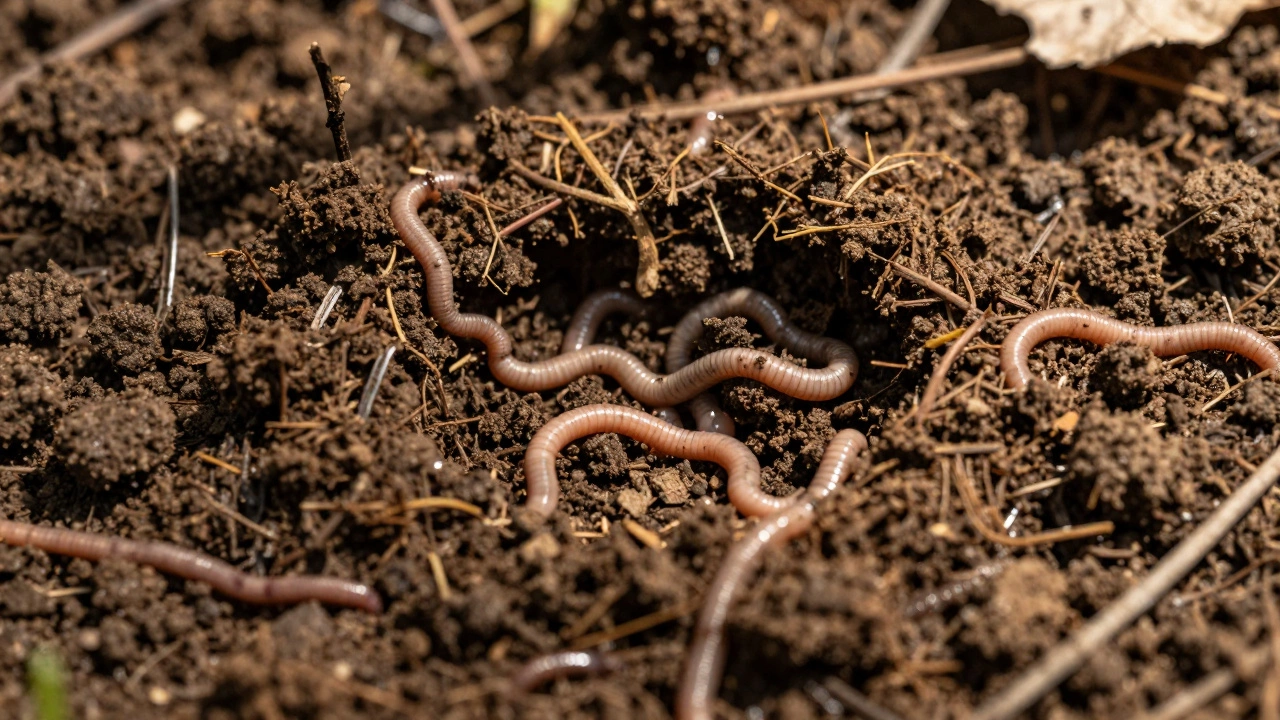
In British gardens, especially those with heavy clay soils common in the South East, compaction is a major issue. Rain packs the soil down, squeezing out air pockets. Roots need oxygen. By adding a layer of compost, you create a buffer. As worms and microbes break down this new layer, they pull it down into the subsoil, aerating it naturally. This process, known as bioturbation, is far more effective than turning the soil with a spade, which can actually disrupt worm habitats and bring weed seeds to the surface.
However, there are limits. If you pile up thick layers of compost on top of already wet, compacted clay in late autumn, you risk creating a waterproof seal. Water runs off instead of soaking in, leading to puddles and root rot. The key is thinness. We’re talking about a layer no thicker than half an inch (1-2 cm). Any more than that, and you might suffocate low-growing plants or encourage slugs, which love the damp, dark environment under thick mulch.
Choosing the Right Compost for the Job
Not all brown bags are created equal. In the UK market, you’ll see a confusing array of terms: "multi-purpose," "improver," "leaf mould," and "home-made." For top dressing, the type of compost matters significantly because you aren’t mixing it deeply into the earth where its structure can be supported by mineral soil.
| Compost Type | Best Use Case | Pros | Cons |
|---|---|---|---|
| Leaf Mould | Lawns, borders, acid-loving plants | Excellent moisture retention, improves soil structure slowly | Takes years to make, low nutrient content |
| Well-Rotted Manure | Veggie beds, fruit bushes | High nutrient density, encourages microbial activity | Must be fully decomposed to avoid burning roots |
| Commercial Multi-Purpose | Pots, raised beds, quick fixes | Convenient, consistent texture | Often contains peat, lower organic matter quality |
| Home-Made Garden Waste | All-around garden use | Free, tailored to your garden’s needs | Requires time and space to compost properly |
If you’re looking for the best compost UK gardeners recommend for top dressing, leaf mould is often the gold standard for lawns and ornamental beds. It’s fibrous, holds water well, and breaks down slowly, providing long-term benefits. For vegetable patches, a well-rotted horse manure or chicken manure compost is superior due to its higher nitrogen content. Avoid fresh manure; it’s too hot and will burn your plants.
Step-by-Step: How to Top Dress Correctly
Getting the technique right ensures the compost integrates with your soil rather than sitting on top like a separate layer. Here’s how to do it effectively:
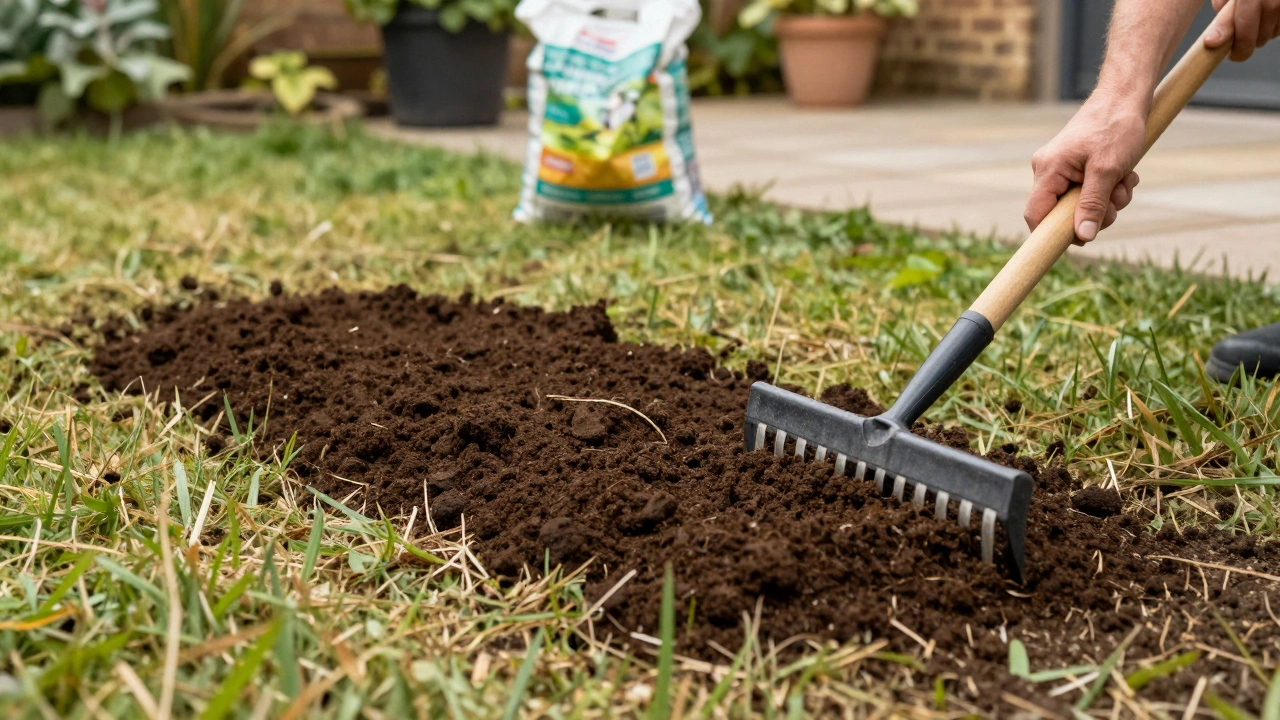
- Rake the Surface: Before adding anything, rake the area thoroughly. Remove any debris, dead leaves, or moss. This exposes the soil surface so the compost can make direct contact.
- Check Moisture Levels: The soil should be slightly moist but not soggy. If it’s bone dry, water it lightly first. If it’s muddy, wait until it dries out a bit. You want the compost to settle in, not slide off.
- Spread Thinly: Use a fork or a rake to distribute the compost evenly. Aim for a thickness of about 1-2 cm. A good rule of thumb: you should still be able to see the colour of the underlying soil through the gaps in the compost.
- Rake Gently Again: After spreading, gently rake the compost into the top few millimetres of the soil. This helps integrate it and prevents it from washing away during the next rainstorm.
- Water Lightly: A gentle watering helps settle the compost and kickstarts the microbial activity.
Top Dressing Different Areas of Your Garden
Your lawn, your flower beds, and your veggie patch all have different needs. Treating them the same way can lead to disappointment.
Lawns
For lawns, timing is everything. The best times to top dress a lawn in the UK are early spring (March/April) and autumn (September/October). These are periods of active grass growth. During summer, the heat can cause the compost to dry out quickly and form a crust. In winter, the cold slows down microbial activity, meaning the compost won’t break down efficiently.
Use sand-compost mixes for lawns. Pure compost can be too rich and hold too much water, leading to disease. A mix of 50% sharp sand and 50% compost provides both nutrition and drainage. Spread it thinly, then brush it down with a stiff broom to ensure the grass blades remain visible.
Vegetable Beds
Veggie beds are hungry. They deplete soil nutrients rapidly. Top dressing here is less about structure and more about feeding. Apply a thicker layer (up to 5 cm) in early spring before planting. As the season progresses, add smaller amounts around established plants, keeping the compost a few inches away from the stems to prevent rot.
Consider adding a handful of blood, fish, and bone meal on top of the compost for an extra nitrogen boost. This combination mimics natural forest floor dynamics, providing slow-release nutrients throughout the growing season.
Borders and Perennials
Perennials benefit from top dressing in late winter or early spring. Unlike annuals, they stay in the ground year after year, so their root systems deepen over time. A light application of leaf mould or well-rotted manure helps maintain soil fertility without disturbing the roots. Be careful not to bury the crowns of perennial plants, as this can cause them to rot.
Common Mistakes to Avoid
Even experienced gardeners make errors when top dressing. Here are the most frequent pitfalls:
- Using Unfinished Compost: If the compost is still hot or smells sour, it’s not ready. Applying unfinished compost introduces pathogens and can tie up nitrogen in the soil as it finishes decomposing.
- Applying Too Thickly: Remember, less is more. Thick layers block sunlight and air, harming low-growing plants and encouraging pests like slugs and snails.
- Ignoring Soil pH: Some composts, particularly those high in lime or wood ash, can raise soil pH. If you grow acid-loving plants like rhododendrons or blueberries, test your soil first. Leaf mould is generally safe for acidic soils.
- Top Dressing in Wet Weather: Never apply compost to waterlogged soil. It will wash away, clog drains, and create a messy, uneven surface. Wait for a dry spell.
The Environmental Impact
In the UK, there’s a growing movement towards sustainable gardening. Using home-made compost or locally sourced green waste compost reduces carbon footprints associated with transporting peat-based products. Peat extraction damages vital carbon-storing ecosystems. By choosing peat-free alternatives and recycling garden waste, you’re not just improving your soil; you’re contributing to broader environmental goals.
Moreover, healthy soil sequesters carbon. By building up organic matter through regular top dressing, you’re helping your garden act as a carbon sink. This is a small but meaningful step in the fight against climate change, right from your own backyard.
How often should I top dress my garden?
Generally, once a year is sufficient for most gardens. Lawns benefit from twice-yearly applications in spring and autumn. Vegetable beds may need additional top dressing mid-season if the soil looks depleted. Overdoing it can lead to nutrient imbalances and increased pest problems.
Can I use compost on top of gravel paths?
No, compost should only be used on soil. Putting it on gravel paths will wash away easily, clog drainage, and attract pests. Keep compost strictly within planting areas.
Is top dressing better than digging compost in?
For established gardens, top dressing is often better. Digging disturbs soil structure, kills worms, and brings weed seeds to the surface. Top dressing allows nature to do the work gradually, improving soil health over time without disruption.
What is the best time of year to top dress in the UK?
Early spring (March/April) and autumn (September/October) are ideal. These periods offer moderate temperatures and adequate rainfall, promoting microbial activity and integration of the compost into the soil.
Can I top dress potted plants?
Yes, but carefully. Replace the top 2-3 cm of old potting compost with fresh compost annually. This replenishes nutrients and improves drainage. Ensure the compost is well-draining to prevent waterlogging in containers.