Greenhouse Harvest Planner
Select your crop type and sowing date to see when you can expect your first harvest. Ideal for planning succession planting.
Estimated Harvest Timeline
You bought a greenhouse. You’ve swept the floors, fixed the vents, and maybe even installed a heater. Now you’re staring at empty benches, wondering what on earth to plant that won’t leave you waiting three months for a single tomato. Here’s the truth: not all crops play by the same rules. If you want harvests in weeks rather than seasons, you need to pick winners from the start.
In the UK climate, especially here in Brighton where the coastal breeze can chill things down quickly, speed is everything. A greenhouse isn't just a glass box; it's a climate control unit that lets you bypass our grey winters and short summers. But if you fill it with slow-growing peppers or courgettes, you’ll spend half your life checking if anything has actually happened. Let’s look at what actually grows fast enough to keep your patience intact.
The Speed Champions: Leafy Greens and Salads
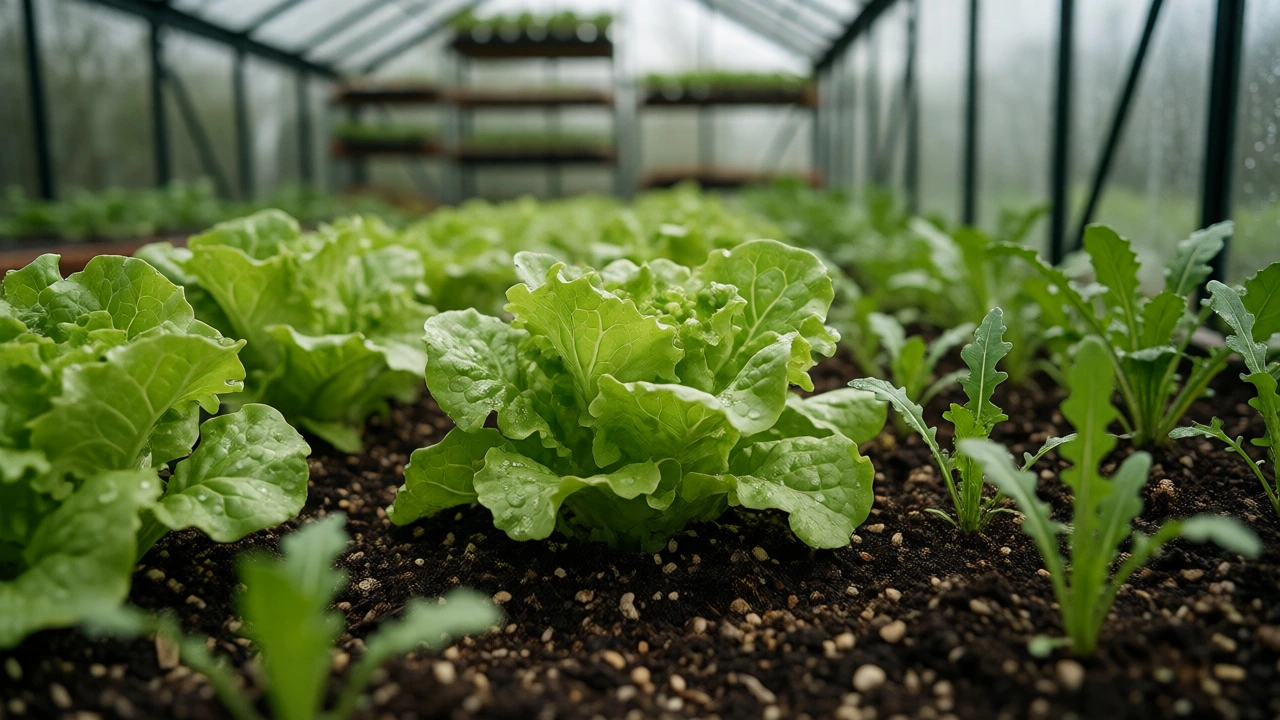
If you want food on the table in under 30 days, leafy greens are your best friends. They don’t need complex pollination, they don’t demand massive root space, and they thrive in the consistent moisture of a greenhouse environment. Lettuce is the obvious choice, but not all lettuces are equal. Butterhead varieties like 'Tom Thumb' mature in about 45-60 days, while loose-leaf mixes can be harvested as baby leaves in as little as 21 days.
But why stop at lettuce? Spinach is surprisingly cold-hardy and grows rapidly in cool conditions, often ready for picking in 30-40 days if sown directly into rich compost. Then there’s Arugula (rocket), which practically begs to be grown indoors. It germinates in 5-7 days and hits maturity in roughly 30 days. The peppery kick adds instant value to any meal, and because it bolts quickly in heat, a controlled greenhouse temperature keeps it tender longer.
| Crop | Days to Harvest (Baby) | Days to Maturity | Best Season (UK) |
|---|---|---|---|
| Radish | 21 | 25-30 | Spring/Autumn |
| Loose-Leaf Lettuce | 21 | 45-60 | All Year |
| Spinach | 28 | 35-45 | Cool Months |
| Arugula | 21 | 30-40 | Cool Months |
Root Vegetables That Don’t Waste Time
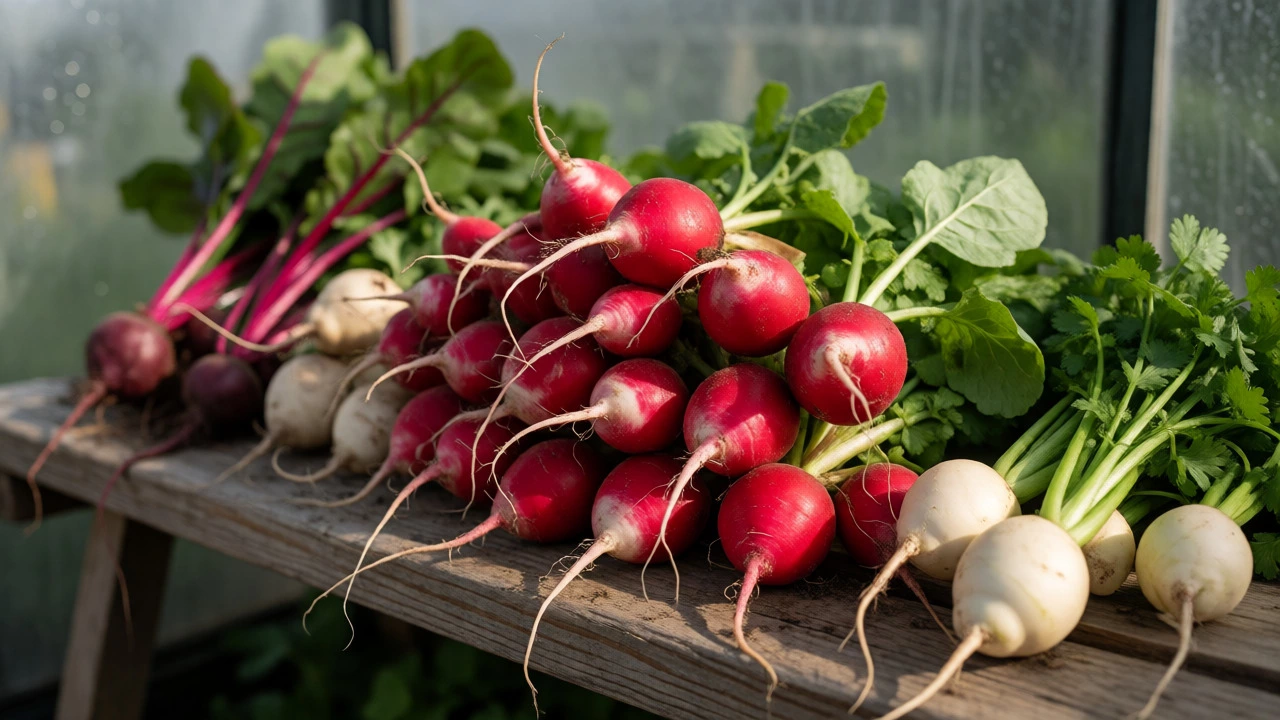
Most people think roots take forever. Carrots? Six months. Potatoes? Four months. Boring. But there are exceptions that fly under the radar. Radishes are the undisputed kings of speed. Some varieties, like 'French Breakfast', are ready to pull from the soil in just 25 days. Yes, twenty-five days. From seed to spicy crunch. They love the slightly cooler temps of an unheated greenhouse in spring and autumn, preventing them from becoming woody too quickly.
Turnips are another underrated option. While standard turnips take time, baby turnips harvested at golf-ball size are sweet, tender, and ready in about 40-50 days. Plus, you get double the yield: the roots for roasting and the greens for steaming, which grow even faster.
Don’t overlook Beetroot. While full-sized beets take a while, 'Bull's Blood' or other early varieties provide excellent beet greens within 30 days. Pulling young beets prevents them from getting tough and gives you a constant supply of salad components without waiting for the bulb to swell completely.
Herbs: The Instant Gratification Crop
Nothing feels more productive than snipping fresh herbs for dinner. And most culinary herbs are incredibly fast starters in a protected environment. Basil loves the warmth of a heated greenhouse. Sow seeds in late spring, and you’ll have fragrant leaves for pesto in 40-50 days. In summer, it thrives outdoors, but in the UK, a greenhouse extends its season well into October.
Cilantro (coriander) is notorious for bolting outdoors in the UK sun. Inside a greenhouse, where you can shade it slightly and keep humidity high, it stays leafy longer, yielding harvests in 45 days. Dill is similarly quick, reaching usable height in 6-8 weeks. Its feathery fronds add immediate visual and flavor impact to fish dishes or pickles.
Even perennial herbs like Parsley benefit from greenhouse starts. Sowing indoors or in a heated bench in January means you have established plants by April, giving you a head start of two months over outdoor sowers.
Microgreens: The Ultimate Speed Hack
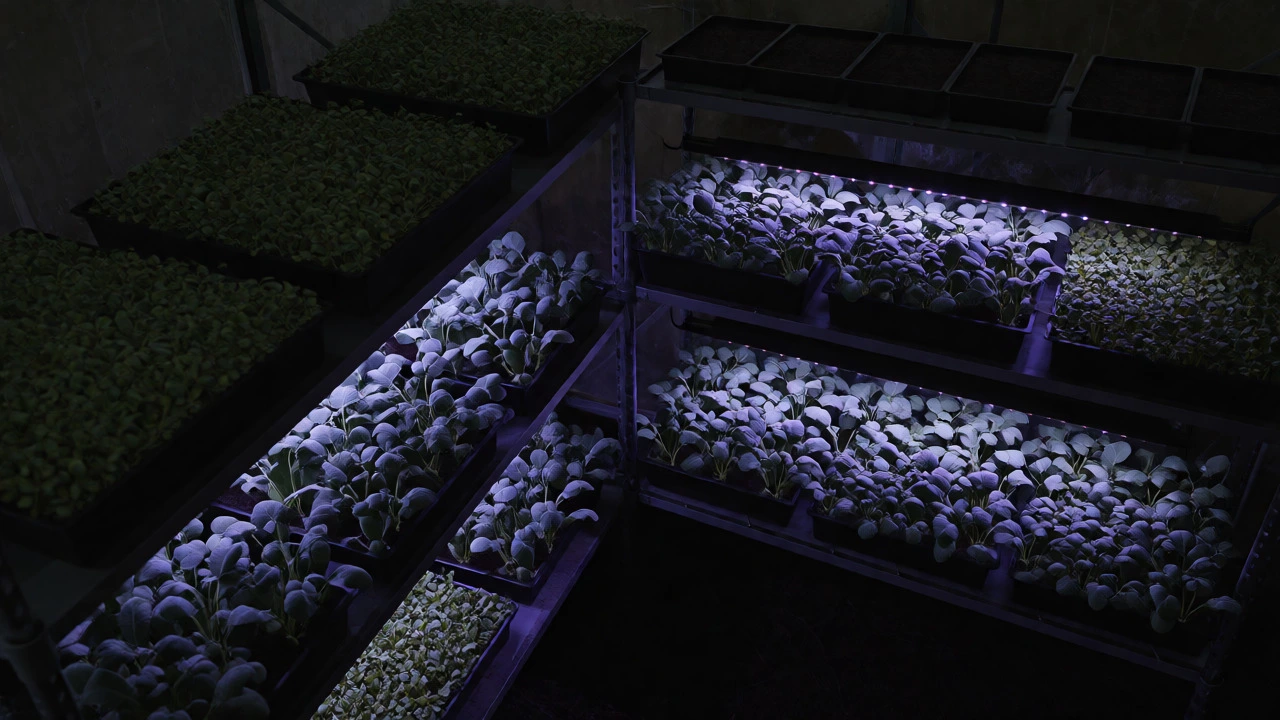
If 21 days feels too long, consider microgreens. These aren’t just fancy garnishes; they’re nutrient-dense powerhouses. Microgreens are vegetable seedlings harvested just after the first true leaves appear, typically 7-14 days after sowing. Broccoli, mustard, and pea shoot microgreens pack a punch and require minimal space. You can grow trays of them on shelves inside your greenhouse, rotating them weekly.
This method is perfect for the UK winter when daylight hours are scarce. With supplemental LED grow lights-which are cheap and efficient-you can produce continuous harvests of radish or kale microgreens year-round. It’s the closest thing to having a grocery store in your garden.
Managing Expectations: What “Fast” Really Means
Here’s a reality check: "fast" depends heavily on your setup. An unheated greenhouse in Brighton in December offers very different conditions than a heated polytunnel in July. Temperature drives growth rates. Most brassicas and leafy greens slow down significantly below 10°C. If you want truly rapid growth in winter, you need some form of heating-electric mats, paraffin heaters, or a small wood stove.
Light is the other limiting factor. In November and December, UK sunlight is weak. Even if your greenhouse is warm, plants won’t grow fast without light. This is where reflective walls or simple white paint on interior surfaces help bounce available light onto your crops. Or, again, invest in basic grow lights for your fastest crops.
Practical Tips for Maximum Speed
- Start with quality compost: Cheap peat-free compost can lack nutrients. Mix in a balanced organic fertilizer before sowing. Fast-growing crops deplete soil quickly.
- Sow successionally: Don’t sow all your lettuce at once. Sow a new tray every two weeks. This ensures a continuous supply rather than one big glut followed by nothing.
- Water consistently: Fluctuating water levels stress plants and slow growth. Drip irrigation or self-watering pots work wonders in greenhouses.
- Ventilate wisely: Overheating causes bolting (premature flowering) in salads. Open vents on sunny days, even in winter, to prevent stagnant air and fungal issues.
Choosing the right crops transforms your greenhouse from a storage shed into a production engine. By focusing on radishes, leafy greens, and microgreens, you align your expectations with biological reality. You’ll see results quickly, stay motivated, and enjoy fresh produce while the rest of the country waits for spring.
What is the absolute fastest crop to grow in a greenhouse?
Radishes are generally the fastest, with some varieties ready to harvest in just 21-25 days. Microgreens are even quicker, taking only 7-14 days, though they offer less bulk per harvest.
Can I grow tomatoes quickly in a UK greenhouse?
Tomatoes are not considered "fast" compared to greens. Even dwarf varieties take 60-90 days from transplanting to fruit set. For speed, stick to salads and roots, or buy large plug plants to shorten the timeline.
Do I need heating to grow fast in a UK greenhouse?
Not always. Cool-season crops like spinach, radishes, and lettuce grow well in unheated greenhouses during spring and autumn. However, for year-round speed, especially in winter, heating maintains temperatures above 10°C, which is crucial for continued growth.
Which lettuce variety grows fastest?
Loose-leaf varieties like 'Lollo Rosso' or 'Oakleaf' are fastest for baby leaf harvests (21 days). Butterhead types like 'Tom Thumb' are also quick but take slightly longer to form heads.
Are herbs faster than vegetables?
Some are. Basil and cilantro can be harvested in 4-6 weeks. Woody herbs like rosemary and thyme are much slower and better suited for long-term planting rather than quick turnover.