Greenhouse Alternative Finder
Answer a few questions about your garden and goals to find the perfect structure for extending your growing season.
Recommendation
Best MatchSo you want to start growing tomatoes in April or ripen peppers in October, but the price tag on a traditional greenhouse makes your wallet weep. Or maybe you have a tiny courtyard garden where a six-by-four-foot structure simply won't fit. You aren't alone. The dream of extending the growing season often hits a wall of cost, space, or planning permission hurdles.
The good news? A full-blown greenhouse isn't the only way to trap heat and protect plants from the British weather. In fact, for many crops, smaller, cheaper, and more flexible structures do just as good a job-if not better. We're talking about cold frames, cloches, polytunnels, and even some clever DIY hacks that use materials you might already have lying around.
What Do You Actually Need From a Structure?
Before you rush out to buy anything, ask yourself what problem you are trying to solve. Are you trying to harden off seedlings? Keep frost off tender perennials? Or grow early potatoes? Different goals require different tools.
A standard greenhouse does three things: it raises air temperature, blocks wind, and keeps rain off (if roofed). But do you need all three? If you just need frost protection, a simple cover might suffice. If you need high humidity for orchids, you need an enclosed box. Let's break down the main alternatives based on their function.
| Structure Type | Best For | Cost Estimate (UK) | Lifespan | Maintenance Level |
|---|---|---|---|---|
| Cold Frame | Hardening off, overwintering salads | £50 - £300 | 10-20 years (wood/glass) | Low |
| Cloche | Row protection, early beans/squash | £20 - £100 | 5-10 years (plastic/glass) | Medium (ventilation needed) |
| Polytunnel | Large scale veg, fruit trees | £500 - £2,000+ | 5-10 years (film needs replacing) | High (wind damage risk) |
| Mini Greenhouse | Small spaces, herbs, seedlings | £30 - £150 | 3-7 years (often plastic) | Medium (prone to overheating) |
| Wall Lean-To | Using existing house warmth | £100 - £400 | 10+ years | Low |
Cold Frames: The Workhorse of Small Gardens
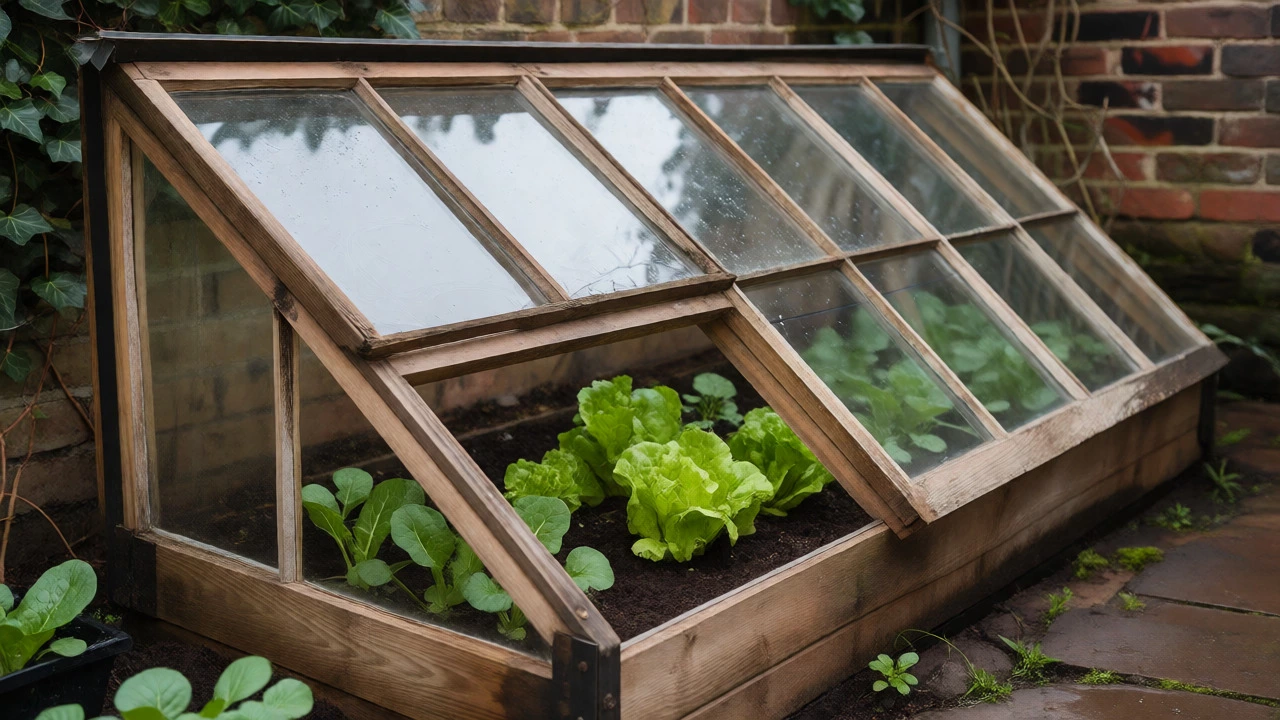
If you only get one alternative, make it a cold frame. It is essentially a bottomless box with a slanted lid, usually made of wood and glass or polycarbonate. Why slanted? To catch maximum sunlight and shed rain. Unlike a greenhouse, you don't walk inside it; you reach in.
This simplicity is its superpower. Cold frames are cheap to build-often under £50 if you use reclaimed windows-and they stay cool enough that you rarely need complex ventilation systems. They are perfect for "hardening off" young plants before they go into the open ground. You can also use them to force rhubarb or chicory in winter by blocking out light entirely.
One major advantage over a full greenhouse is placement. Because they are small, you can move them. Start them on a sunny patio in spring, then shift them to shade in summer if you're storing bulbs. Just ensure the base is raised slightly so water doesn't pool underneath, which invites rot and slugs.
Cloches: Targeted Protection for Rows
Think of a cloche as a portable mini-greenhouse for a specific row of plants. Historically made of glass bell jars, modern versions are often hoop tunnels covered in fleece or rigid plastic domes. They sit directly over the soil, creating a microclimate around individual plants like lettuces, strawberries, or runner beans.
Why choose a cloche over a cold frame? Flexibility. You can move them as crops rotate. If you're growing squash, place a cloche over each hill when the seedlings emerge. Once the plant gets too big, lift the cloche off. No transplanting shock, no wasted space.
However, cloches have a notorious flaw: they cook plants. On a sunny March day, the temperature inside a small plastic dome can spike to 40°C while it's only 10°C outside. You must ventilate daily. Many gardeners fail here, waking up to scorched leaves. Look for models with adjustable vents or be prepared to crack them open every morning.
Polytunnels: Big Harvests Without the Brickwork
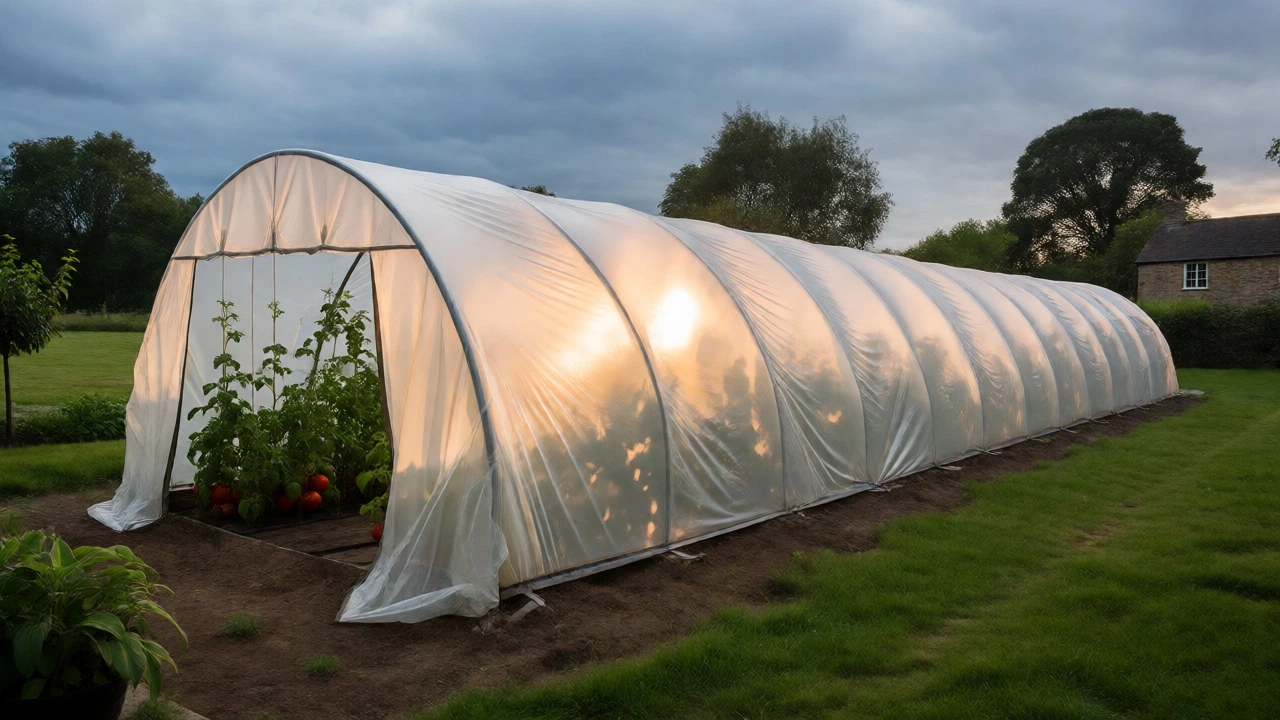
If you have space but hate the price of glass, look at a polytunnel. These are arched tunnels covered in heavy-duty plastic film stretched over metal hoops. They offer far more volume than a cold frame and are significantly cheaper than a comparable-sized greenhouse.
In the UK, polytunnels are often exempt from planning permission if they meet certain criteria (usually under 3 meters high and not closer to a road than the house), but always check with your local council first. They excel at growing large quantities of vegetables, cut flowers, or even dwarf fruit trees.
The trade-off is durability. Glass lasts decades; polyethylene film typically needs replacing every 5 to 10 years. Also, wind is a killer. If you live in a coastal area or an exposed field, you need a robust anchoring system. Invest in ground anchors rather than relying on weights alone. A poorly anchored tunnel can become a kite in a storm, taking your tomato harvest with it.
DIY Hacks: Repurposing Household Items
You don't always need to buy a structure. Sometimes, creativity beats cash. Here are three low-cost methods used by experienced growers:
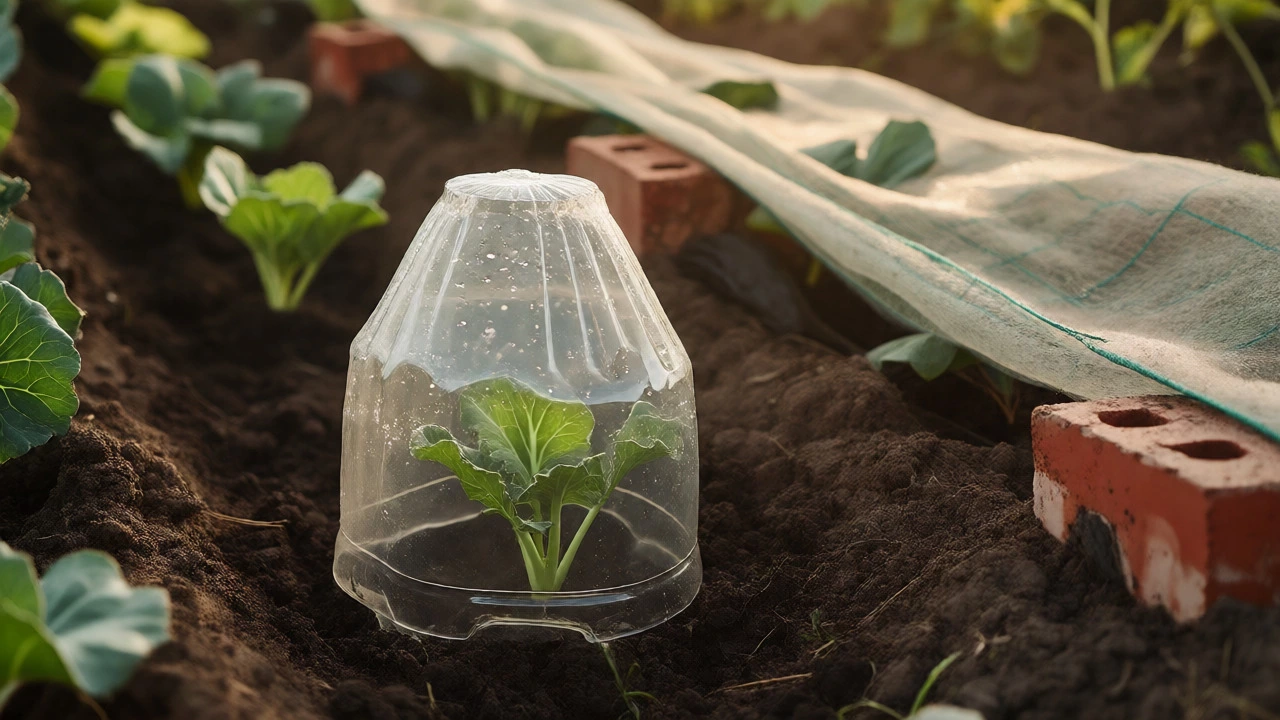
- The Bottle Cloche: Cut the bottoms off large plastic bottles (like 5-liter water jugs) and place them over individual seedlings. This creates a personal greenhouse for each plant. It’s ugly, but effective for brassicas and lettuce.
- Fleece Covers: While not a rigid structure, horticultural fleece traps heat close to the soil surface. Layering two sheets of fleece can raise soil temperature by 2-3°C, enough to speed up germination. Secure the edges with bricks so wind doesn't blow it away.
- Window Box Extensions: If you have a south-facing wall, attach a wooden box filled with soil beneath a window. Add a hinged glass or acrylic lid. This acts as a permanent, decorative cold frame that uses the house's thermal mass to retain heat overnight.
Choosing the Right Material
Once you've picked the type, you need to pick the material. This affects light transmission, insulation, and longevity.
Glass offers the best clarity and lifespan. It doesn't yellow over time. However, it shatters easily and provides poor insulation unless double-glazed (which is expensive).
Polycarbonate is the middle ground. Twin-wall polycarbonate insulates well, diffuses light (reducing scorch), and is impact-resistant. It yellows after 10-15 years but is generally safer than glass for families with kids.
Plastic Film is cheapest but degrades fastest. UV-stabilized films last longer but still need regular replacement. Good for temporary setups or tight budgets.
For most UK home gardeners, twin-wall polycarbonate cold frames or cloches offer the best balance of cost and performance. They survive hailstorms and keep plants warm without breaking the bank.
Placement Matters More Than Size
Where you put your structure is critical. In the UK, you want maximum sun exposure. South or southeast-facing spots are ideal. Avoid north-facing walls-they'll cast shadows for most of the day, leaving your plants cold and leggy.
Wind is another factor. While you want airflow to prevent fungal diseases, constant gales strip heat and dry out soil. Use a hedge or fence as a windbreak, but keep the structure at least 2 meters away to avoid casting a shadow. If you're using a lean-to against a house, ensure the wall receives direct sun. A shaded brick wall won't radiate much heat back to your plants.
Finally, consider access. Can you reach the back of a cold frame comfortably? Will you trip over the stakes holding down a cloche? Practicality trumps aesthetics when you're weeding in the rain.
FAQ: Common Questions About Greenhouse Alternatives
Do I need planning permission for a polytunnel in the UK?
Usually, no. Polytunnels are considered 'permitted development' if they are within the boundary of your property, not forward of the principal elevation facing a highway, and under 3 meters in height. However, rules differ for listed buildings or conservation areas, so always check with your local council before installation.
Can I grow tomatoes in a cold frame?
Yes, but with limitations. Cold frames work well for bush varieties or determinate tomatoes because they stay compact. Indeterminate varieties will quickly outgrow the space. Ensure the frame has excellent ventilation during summer to prevent blight, which thrives in stagnant, humid air.
How do I stop my cloche from overheating?
Ventilation is key. Prop open rigid cloches with a stone or stick on sunny days. For hoop tunnels, lift the end caps. If you notice wilting despite moist soil, it’s likely heat stress, not drought. Shade cloth can help on extremely hot days, but remember to remove it when temperatures drop.
Are plastic greenhouses worth buying?
Cheap plastic mini-greenhouses are great for starting seeds but poor for long-term growing. They lack insulation, so they freeze at night and bake during the day. If you want to grow mature plants year-round, invest in a polycarbonate or glass structure. Plastic is fine for seasonal use or hardening off.
What is the cheapest way to extend the growing season?
Horticultural fleece and straw mulch. Fleece protects against light frosts and raises soil temp slightly. Straw mulch insulates roots. Combined with planting hardy varieties, this method costs pennies and requires no construction. It won’t replace a greenhouse for tropical crops, but it works wonders for greens and root veg.