UK Cucumber Planting Planner
Select your location and growing method to get a personalized timeline for sowing, hardening off, and planting out.
There is nothing quite like biting into a warm, sun-ripened cucumber straight off the vine. But if you have ever pulled out a bitter, pale fruit from your garden, you likely planted at the wrong moment. In the UK, timing is everything. Unlike hardy brassicas that laugh at frost, cucumbers are tropical divas that demand warmth and hate cold feet. If you sow too early, they rot or stunt; sow too late, and autumn rains turn them into mush before they ripen.
This guide cuts through the confusion of conflicting advice online. Whether you are growing in a greenhouse, a polytunnel, or just a sunny spot on your patio, we will break down exactly when to start your seeds and when to move them outside. We are looking at this from a practical perspective for British growers in 2026, keeping in mind our notoriously unpredictable weather patterns.
The Golden Rule: Wait for Warmth
Before you even touch a seed packet, understand one biological fact: cucumber seeds need soil temperatures above 15°C (59°F) to germinate reliably. Below 10°C, they sit there doing nothing, often inviting fungal diseases that kill the embryo before it sprouts. This is why many beginners fail-they trust the calendar rather than the thermometer.
In most parts of the UK, outdoor soil rarely hits this temperature consistently until late May or early June. Even then, a late frost can wipe out young plants instantly. So, while the calendar might say "May," the reality often says "June." Patience here pays off with healthier plants and better yields.
| Growing Method | Sow Indoors | Harden Off | Plant Outdoors/Greenhouse |
|---|---|---|---|
| Greenhouse/Polytunnel | Late March - Early April | N/A (Keep inside) | Mid-May onwards |
| Outdoor (Mild South/West) | Late April - Mid May | Early June | Mid-June |
| Outdoor (Cold North/East) | Mid May | Late June | Early July |
Starting Seeds Indoors: The Head Start Strategy
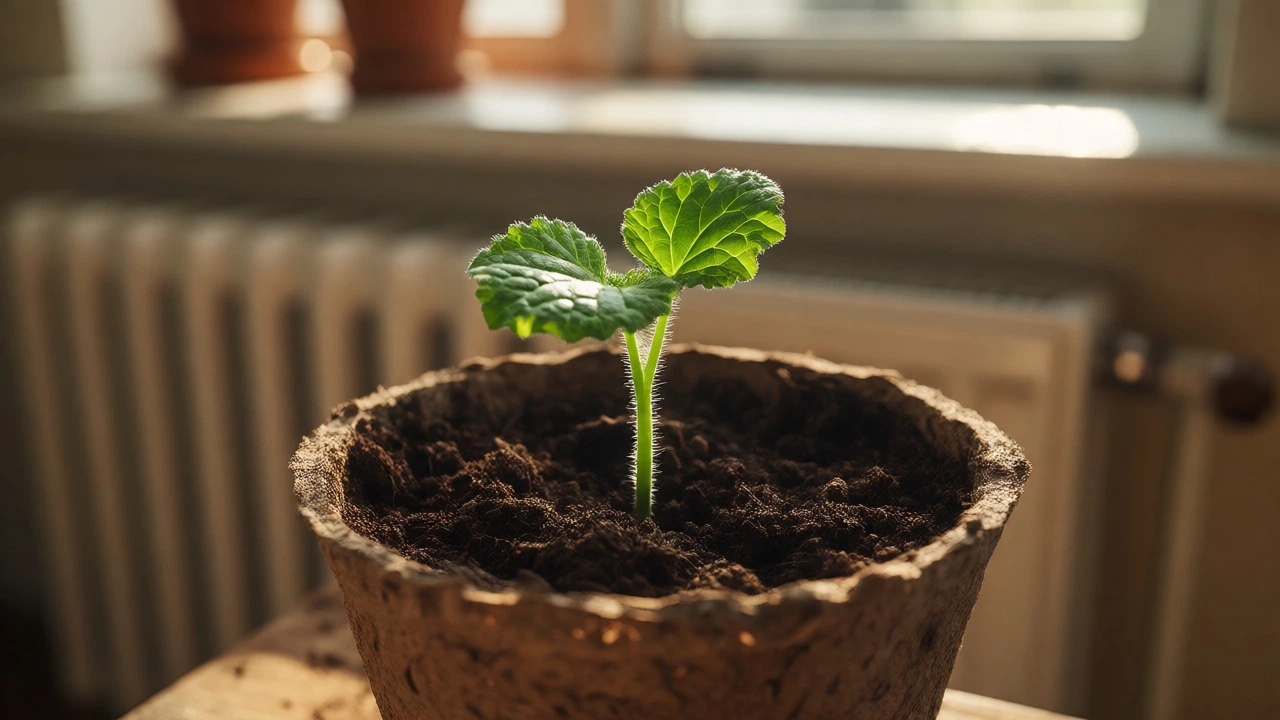
You don't need a fancy propagator to start cucumbers, but you do need heat. A windowsill radiator or a heated mat makes a massive difference. Here is how to get a jump on the season without risking root shock.
- Choose the right variety: For indoor starts, pick parthenocarpic varieties (like 'Marketmore' or 'Telegraph') that don't need pollination. They thrive in enclosed spaces.
- Use biodegradable pots: Cucumber roots hate disturbance. Sow directly into small peat or cow-pot modules. When you transplant, you plant the whole pot. No root tearing.
- Light is key: Once they sprout, they need bright light immediately. A dark kitchen counter leads to leggy, weak seedlings that flop over. Put them on the brightest south-facing window you have.
Start sowing about three weeks before your intended planting date. If you plan to put them in the greenhouse in mid-May, sow in mid-April. If you are waiting for outdoor soil to warm up in June, sow in late May. Sowing too early results in pot-bound seedlings that struggle to establish once they hit the ground.
Hardening Off: Don't Skip This Step
This is where many gardeners lose their plants. You cannot take a tender seedling from a cozy 20°C home and dump it into a 12°C windy garden. The shock causes stunting, which can last for weeks.
Over a period of seven to ten days, gradually expose your plants to outdoor conditions. Day one: bring them out for an hour in a sheltered, shaded spot. Bring them back in. Day two: two hours. By day seven, they should be out all day, but still brought in overnight if temperatures drop below 8°C. This process toughens the cell walls and prepares them for real life.
Planting Out: Soil Prep and Spacing
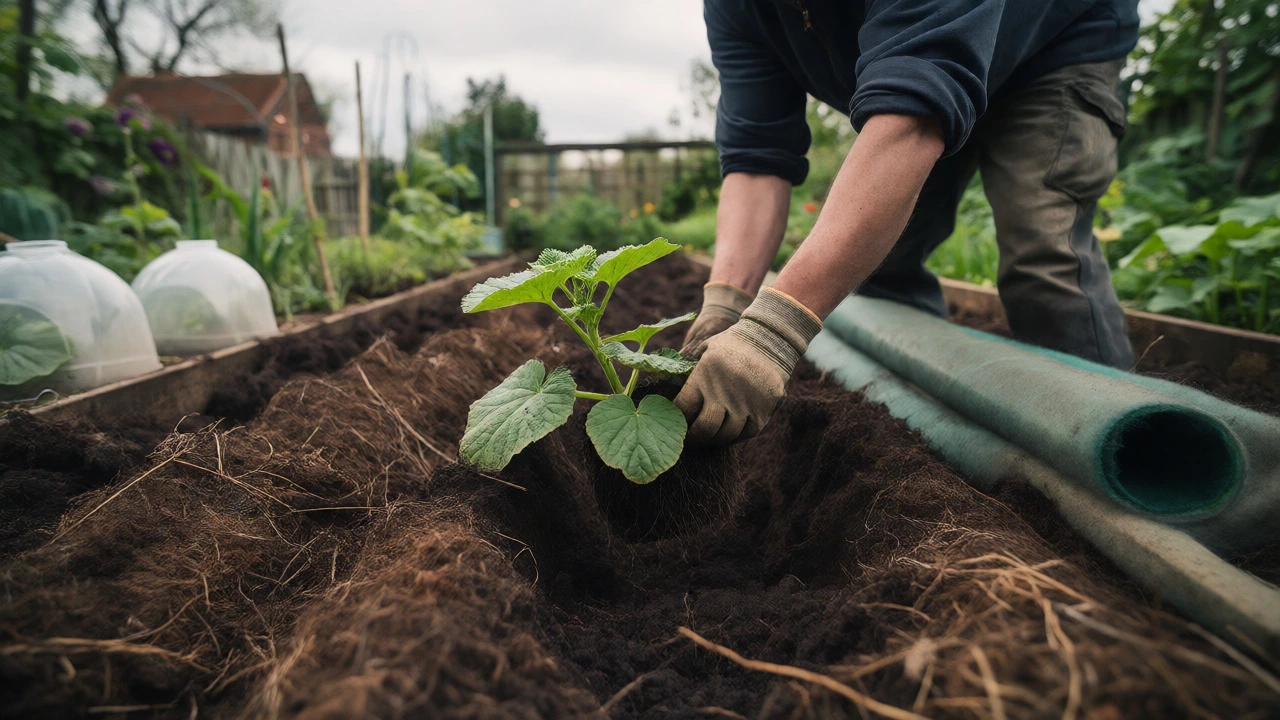
Cucumbers are hungry feeders. Before planting, dig well-rotted manure or compost into the bed. If you are using raised beds, fill them with high-quality multipurpose compost mixed with some slow-release fertilizer.
Spacing matters more than people think. Crowded plants trap moisture around the leaves, leading to powdery mildew-the cucumber killer. Leave at least 45-60 cm (18-24 inches) between plants. If you are growing vertically on strings or trellises, you can space them slightly closer, around 30-45 cm, as air circulation improves.
Plant them deeply? No. Keep the stem at the same level it was in the pot. Burying the stem too deep can cause rot. Water them gently after planting to settle the soil, but avoid waterlogging.
Weather Watch: What to Do When It's Cold
UK summers are not guaranteed. In Brighton, I've seen snow in April and heatwaves in September. Flexibility is crucial. If you have planted out and a cold snap hits (below 10°C), cover your plants with horticultural fleece or cloches at night. Remove it during the day to prevent overheating.
If you haven't planted yet and the forecast shows rain and cold for another week, wait. It is better to have a slightly delayed harvest than dead plants. Cucumbers grow fast once they get going. A healthy plant started in late June can often catch up to one started in early June, especially if the latter suffered from cold stress.
Common Mistakes That Ruin Timing
Avoid these pitfalls to ensure your cucumber crop succeeds:
- Sowing too early indoors: Plants become leggy and stressed because they run out of room in their pots before it is warm enough to go outside.
- Ignoring frost dates: Last frost dates vary wildly across the UK. Check local data. In Scotland, it might be late May; in Cornwall, it could be April.
- Watering overhead: Wet leaves invite disease. Water at the base of the plant, early in the morning, so foliage dries quickly.
Succession Sowing for Continuous Harvest
Don't put all your eggs in one basket. If you want cucumbers from July through September, sow seeds every two weeks from late April to mid-June. This spreads the risk. If one batch gets hit by pests or bad weather, the next batch takes over. Also, keep picking fruits regularly. If cucumbers stay on the vine too long, they stop producing new flowers.
By following these steps, you align your gardening efforts with nature's rhythm rather than fighting against it. Cucumbers reward attention to detail, especially regarding temperature. Get the timing right, and you will be harvesting crisp, sweet fruits while others are still waiting for theirs to ripen.
Can I plant cucumber seeds directly outdoors?
Yes, but only in warmer regions of the UK and only after all risk of frost has passed and soil temperatures are consistently above 15°C. This usually means late May or June. Direct sowing avoids transplant shock but risks poor germination if the weather turns cold and wet suddenly.
How late can I plant cucumbers in the UK?
You can sow seeds as late as early July for a late summer harvest, provided you choose a quick-maturing variety. However, these plants may not produce as heavily as those started earlier. In cooler northern areas, aim to finish sowing by mid-June to ensure fruits ripen before autumn frosts arrive.
Do cucumbers need full sun?
Yes, cucumbers require at least 6-8 hours of direct sunlight daily. While they tolerate partial shade, growth slows significantly, and fruits may develop poorly. In very hot spells, slight afternoon shade can prevent scorching, but generally, more sun equals better yields.
What is the best way to protect young cucumber plants from cold?
Use cloches, cold frames, or horticultural fleece. These create a microclimate that retains heat and blocks wind. Ensure the protection does not touch the leaves directly, as condensation can cause damage. Ventilate during the day to prevent overheating.
Why are my cucumber seedlings yellowing?
Yellowing leaves often indicate nitrogen deficiency or overwatering. If the soil is soggy, reduce watering. If the soil is dry and pale, apply a balanced liquid fertilizer. Cold temperatures can also cause chlorosis (yellowing) as nutrient uptake slows down in cool soil.