Budget Garden Landscape Estimator
*Estimates based on average UK prices. DIY costs assume sourcing discounted/free materials where possible.
Enter your garden details to see how much you can save.
Looking at a bare patch of dirt or an overgrown mess can feel overwhelming, especially when you imagine the price tag attached to fixing it. Professional landscapers in the UK often charge upwards of £150 per hour, and materials like stone paving or mature trees can drain your savings quickly. But here is the good news: you do not need a fortune to create a beautiful outdoor space. In fact, some of the best gardens are built on tight budgets by using smart planning, free resources, and low maintenance plants that thrive without constant care.
I have spent years turning neglected patches in Brighton into welcoming spaces without breaking the bank. The secret isn't magic; it is strategy. By focusing on what really matters-soil health, efficient layout, and resilient plant choices-you can achieve professional-looking results for a fraction of the cost. Let’s look at how you can transform your garden cheaply, step by step.
Plan Before You Spend: The Blueprint Strategy
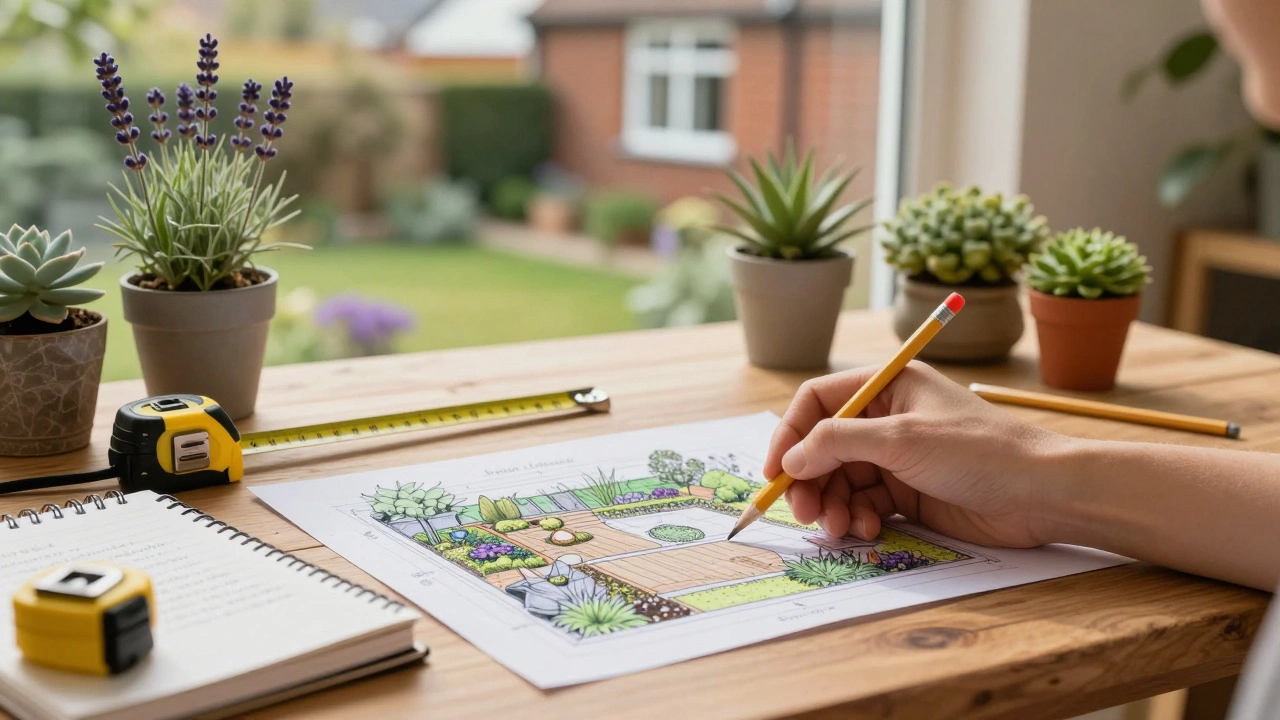
The biggest mistake people make when trying to landscape cheaply is buying things first and figuring out where they go later. This leads to waste, returns, and frustration. Before you spend a single penny, sit down with a pen and paper (or a free digital tool) and sketch your garden. Measure every dimension accurately. Note where the sun hits hardest and where the shade stays longest throughout the day.
This simple act of planning saves money in three specific ways:
- Accurate Material Estimates: Knowing exactly how many square meters of mulch or turf you need prevents overbuying. For example, if you calculate you need 20 bags of compost but buy 30 "just in case," you have wasted £60-£90 depending on local prices.
- Zoning for Efficiency: Grouping plants with similar water and light needs reduces irrigation costs and maintenance time. This is the core principle behind xeriscaping, which is perfect for creating low maintenance plants arrangements that survive British summers with minimal intervention.
- Phased Implementation: You don’t have to do everything at once. Identify the highest-impact area-usually the view from your kitchen window or front door-and tackle that first. Save the rest for next season.
Take a walk around your neighborhood or visit local botanical gardens. Take photos of layouts you like. Notice how they use curves to soften hard edges or how they layer heights. These visual references become your guide, preventing expensive trial-and-error purchases.
Hunt for Free and Discounted Materials
One of the most effective ways to landscape cheaply is to source materials that others are throwing away or selling below market value. In the UK, there is a vibrant culture of reuse, particularly through online community groups.
Start by checking Facebook Marketplace, Freecycle, and local Buy Nothing groups. People moving house often give away half-used bags of soil, leftover bricks, pavers, and even healthy shrubs because they don’t want to transport them. I once acquired a set of sturdy wooden sleepers for a raised bed simply because the previous owner was clearing their driveway and didn’t want the hassle of disposal.
If free options aren’t available, look for discounted sales. Garden centers often mark down seasonal stock in late summer or early autumn. Buying perennials in September can save you 50% compared to spring prices, and since the ground is still warm, they establish roots well before winter. Additionally, consider alternative materials:
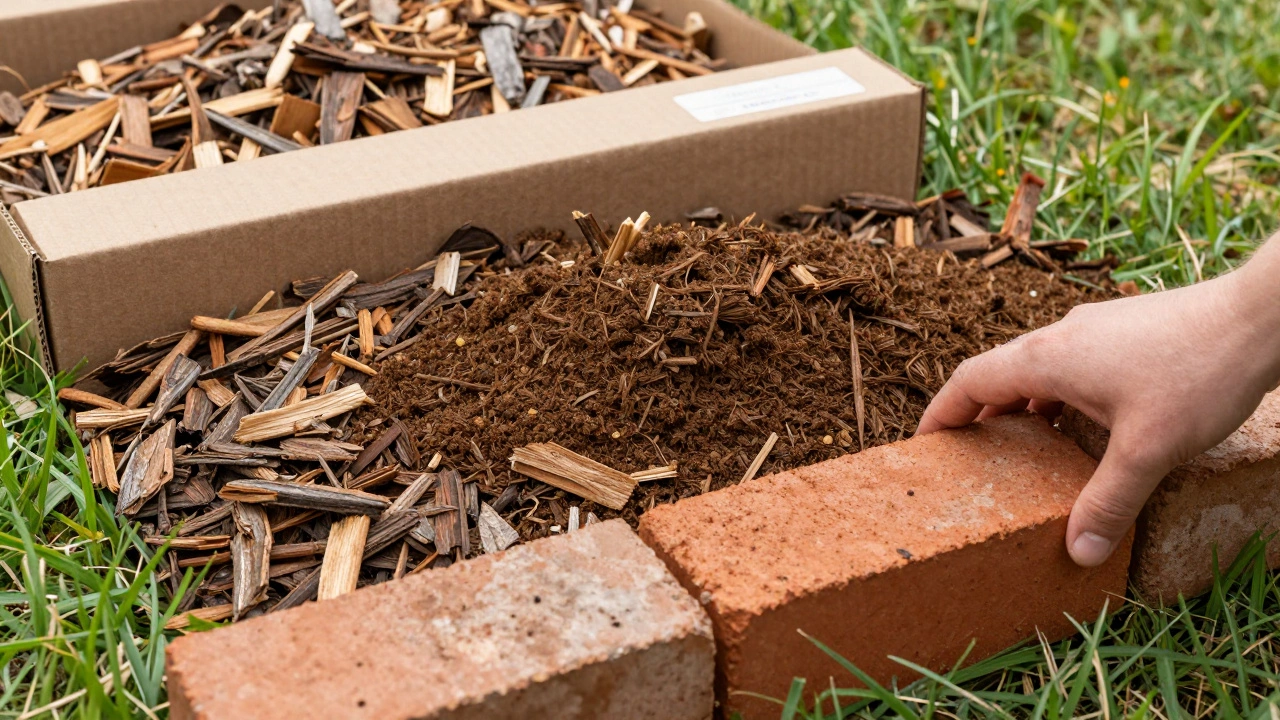
- Bark Chips instead of Stone: Decorative gravel looks great but is heavy and expensive to deliver. Wood bark chips are lighter, cheaper, and suppress weeds effectively. They break down over time, improving your soil structure naturally.
- Cardboard Mulching: Instead of digging up grass to start a new bed, lay down layers of cardboard (remove tape and glossy labels) and cover with compost. This smothers the grass, retains moisture, and feeds worms as it decomposes. It costs nothing if you collect boxes from supermarkets.
- Recycled Bricks: Local demolition sites sometimes allow you to sift through rubble for usable bricks. These add character and permanence to paths without the cost of new clay or concrete blocks.
Choose Low Maintenance Plants Wisely
Plants are the heart of any landscape, but they can also be the biggest ongoing expense if you choose varieties that require frequent pruning, feeding, or watering. To keep costs down long-term, focus on native species and hardy perennials that are adapted to the UK climate.
Native plants are species that naturally occur in a specific region and are adapted to local weather and soil conditions. Because they are already suited to our environment, they rarely need extra water or fertilizer. They also support local wildlife, such as bees and butterflies, which helps maintain ecological balance.
Here are some top picks for budget-friendly, low-effort planting:
| Plant Name | Sun Requirement | Why It Saves Money |
|---|---|---|
| Sedum (Stonecrop) | Full Sun | Drought-tolerant, no deadheading needed, attracts pollinators. |
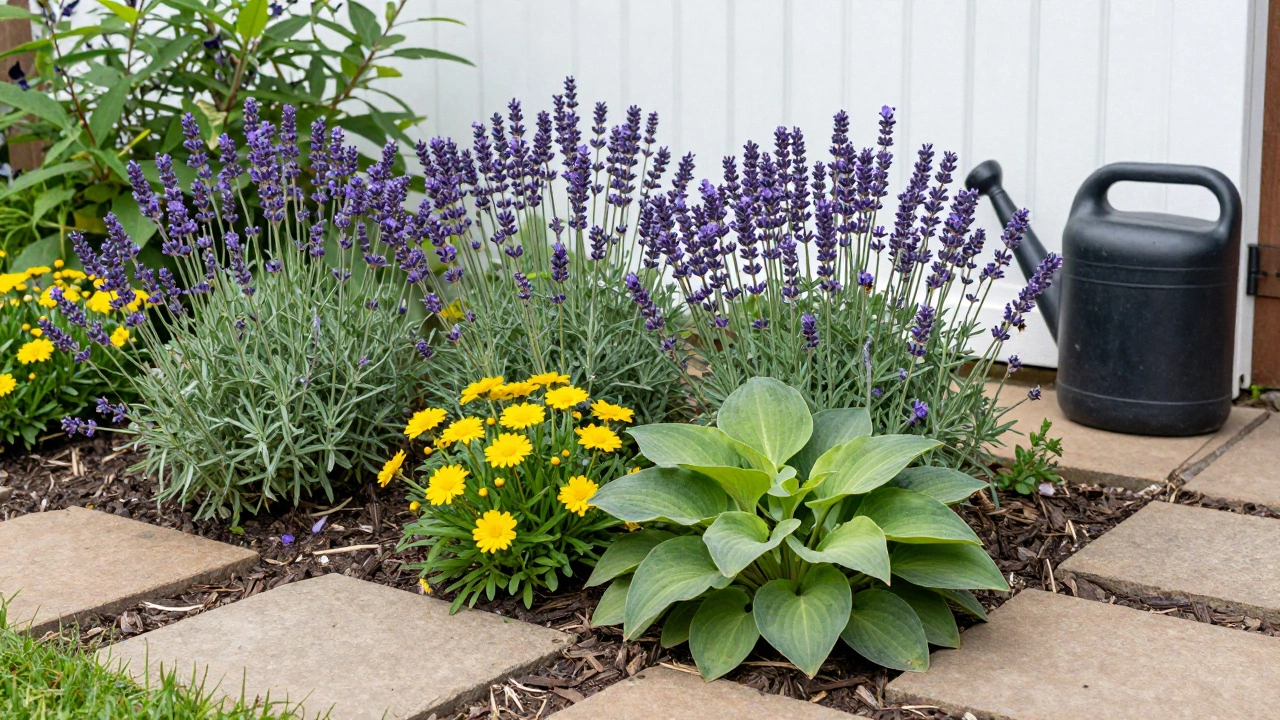
| Hostas | Shade | Vigorous spreaders that fill gaps quickly, reducing weed growth. |
| Lavender | Full Sun | Needs little water once established; trim once a year only. |
| Japanese Forest Grass | Shade | Thrives in poor soil, requires no fertilizing, spreads gently. |
| Asters | Full Sun | Cheap to buy, bloom late in season when other flowers fade. |
Avoid trendy annuals unless you are prepared to replant every year. Perennials come back annually, offering better value over time. Also, consider propagating plants from friends or neighbors. Many perennials, like mint, sedum, and hostas, divide easily in spring. A single clump can become three or four pots for free.
DIY Hardscaping: Paths and Borders
Hardscaping-paths, patios, and walls-often accounts for the largest portion of landscaping costs. However, simple designs are easier and cheaper to build yourself. Complex patterns require precise cutting and more material waste, which drives up the bill.
For pathways, opt for informal stepping stones rather than full paving slabs. Space them evenly across a lawn or mulch bed. This creates a permeable surface that allows rainwater to soak into the ground, reducing runoff and erosion. Stepping stones are also lighter and easier to handle alone, saving on labor costs if you were to hire help.
When building borders, avoid retaining walls unless absolutely necessary. They require engineering knowledge and expensive materials like concrete blocks. Instead, use terracing with gentle slopes or define beds with edging strips made from metal or recycled plastic. These are inexpensive and prevent grass from creeping into flower beds, keeping your garden tidy with less effort.
If you do need a patio, consider resin-bound gravel. It looks modern, drains well, and can be installed directly over existing concrete or compacted soil. While the material itself has a cost, it eliminates the need for deep excavation and complex drainage systems, making it a viable DIY project for weekends.
Water Wisdom: Reduce Usage and Bills
Water bills can rise significantly during dry spells, especially if you have large lawns or thirsty plants. Smart water management is a key part of cheap landscaping because it reduces both utility costs and the physical labor of hauling hoses.
Install a water butt connected to your downpipe. Rainwater is free and softer than tap water, which is better for acid-loving plants like rhododendrons and camellias. A standard 200-liter water butt can capture significant rainfall during typical British showers, providing enough reserve for several weeks of moderate watering.
Mulching is another critical step. Applying a 5-7 cm layer of organic mulch (like bark chips or compost) around plants slows evaporation, keeps roots cool, and suppresses weeds. Weeds compete with your plants for nutrients and water, so reducing them means less time pulling and less water wasted. Over time, this mulch breaks down, enriching the soil and reducing the need for artificial fertilizers.
Group plants by their thirst levels. Keep drought-tolerant species like lavender and rosemary together, and place moisture-loving ferns and hostas in shadier, wetter areas. This zoning ensures you don’t overwater one section while underwatering another, optimizing every drop you use.
Maintain Without Breaking the Bank
A cheap landscape fails if maintenance becomes too expensive or time-consuming. The goal is to create a system that sustains itself with minimal input. Regular, small tasks prevent big problems later.
Invest in basic tools rather than hiring professionals for routine jobs. A good pair of secateurs, a rake, and a shovel are all you need for most upkeep. Learn to prune correctly; improper cutting can damage plants and invite disease, leading to replacement costs. Watch free tutorials from reputable horticultural societies to master these skills.
Embrace natural pest control. Instead of buying chemical pesticides, encourage beneficial insects like ladybugs and lacewings by planting nectar-rich flowers. These predators eat aphids and other pests, keeping your garden healthy without toxic chemicals. Companion planting, such as growing marigolds near vegetables, also deters pests naturally.
Finally, accept imperfection. A perfectly manicured garden requires constant attention and high costs. A slightly wilder, cottage-style garden feels cozy, supports biodiversity, and demands far less work. Let self-seeding annuals return each year, and allow grasses to sway in the wind. This approach not only saves money but also creates a living, evolving space that reflects the natural beauty of the seasons.
What is the cheapest way to landscape a backyard?
The cheapest method involves planning carefully, sourcing free or discounted materials, and focusing on low-maintenance native plants. Use cardboard mulching to kill grass, add compost, and plant perennials that spread naturally. Avoid expensive hardscaping and opt for simple stepping stones instead of full paving.
Can I landscape my garden myself to save money?
Yes, DIY landscaping is highly cost-effective. Simple tasks like laying mulch, planting bulbs, and installing stepping stones are easy for beginners. For larger projects like retaining walls, consider hiring help only for the complex parts to balance cost and quality.
Which plants are best for a low-budget garden?
Choose native perennials like sedum, hostas, lavender, and asters. These plants are hardy, require little water or fertilizer, and come back every year. Buying them in late summer sales or propagating from friends’ gardens further reduces costs.
How can I reduce water costs in my garden?
Install a water butt to collect rainwater, apply organic mulch to retain soil moisture, and group plants by their water needs. This minimizes waste and ensures each plant gets the right amount of hydration without overusing tap water.
Is it worth buying second-hand garden materials?
Absolutely. Second-hand bricks, wood, and even plants can be found cheaply or for free online. Check local community groups and demolition sites. Just inspect items for rot or damage before purchasing to ensure they last.