Flower Spacing & Density Calculator
Find the perfect balance between instant lushness and long-term plant health. Enter your plant details below.
Recommended Spacing
--
Center-to-Center Distance
Risk Factor
LowHealthy airflow expected.
Maintenance Tips
- • Water deeply
- • Feed regularly
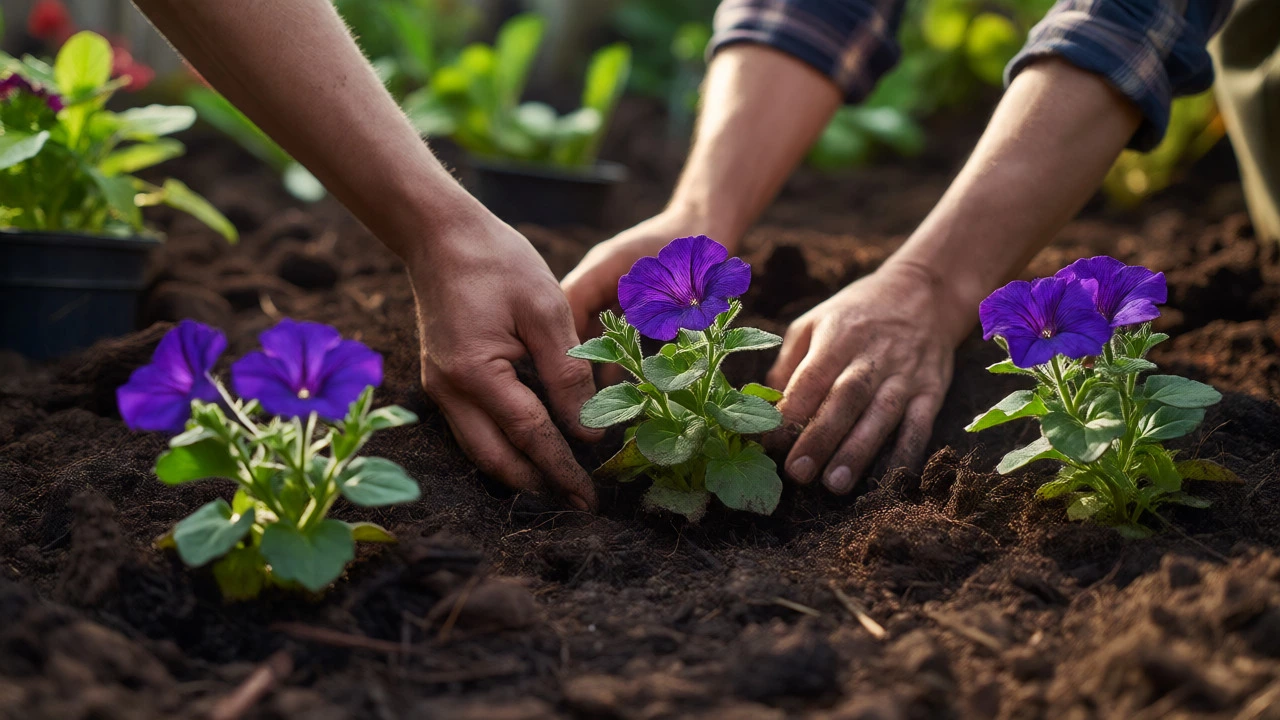
You’re staring at a tray of vibrant petunias or maybe some sturdy perennials, and you wonder: can I just shove them all in there? The instinct to pack plants tight is strong. We want that instant lush look, the kind where you don’t see soil peeking through for months. But here’s the thing about planting flowers close together: it’s not just about aesthetics; it’s a delicate balance between ambition and plant biology.
Yes, you absolutely can plant flowers right next to each other. In fact, many professional gardeners do exactly this to create a "carpet" effect or to suppress weeds faster. However, doing it wrong leads to mildew, stunted growth, and a sad, tangled mess by mid-summer. Doing it right requires understanding what your specific plants need for air, water, and root space. Let’s break down how to achieve that dense, dreamy look without killing your hard work.
The Myth of Instant Gratification vs. Long-Term Health
We’ve all been tempted by the nursery tag that says "Space 12 inches apart." It feels so slow. You buy ten plants, dig holes three inches apart, and think, "I’ll fix it later." Spoiler alert: you won’t. Plants are living things with expanding root systems and growing foliage. When you ignore spacing guidelines, you aren’t just crowding leaves; you’re competing for resources underground.
Think of it like seating at a dinner party. If everyone is elbow-to-elbow, no one gets comfortable, conversation stalls, and someone spills wine. In the garden, the "wine spill" is often fungal disease. Tight spacing restricts airflow around the base of the plant. Without good circulation, moisture lingers on leaves, creating the perfect humid microclimate for powdery mildew or botrytis (gray mold). This is especially critical in our damp UK autumns and springs.
However, the rule isn't absolute. Some plants thrive on proximity. Groundcovers like Creeping Thyme or Sedum love being crowded because they spread horizontally. They form a mat that protects their own roots from drying out. So, before you grab your trowel, ask yourself: Is this plant a soloist or a choir member?
Understanding Plant Types and Their Social Needs
Not all flowers play by the same rules. To decide if you can squeeze them together, categorize them into these three groups:
- The Soloists: These are large perennials like Peonies, Delphiniums, or Hostas. They need room to breathe. Crowding them results in smaller blooms and weak stems. Give them the full space recommended on the tag, or even slightly more if your soil is poor.
- The Team Players: Many annuals like Marigolds, Petunias, and Impatiens can handle tighter spacing than suggested. If the tag says 8 inches, try 6. They will fill in quickly, shade out weeds, and still bloom well, provided you feed them regularly.
- The Carpet Layers: Plants like Alyssum, Ice Plant, or low-growing Sedums are designed to touch. You can plant these almost touching at maturity. They rely on density to survive wind and retain soil moisture.
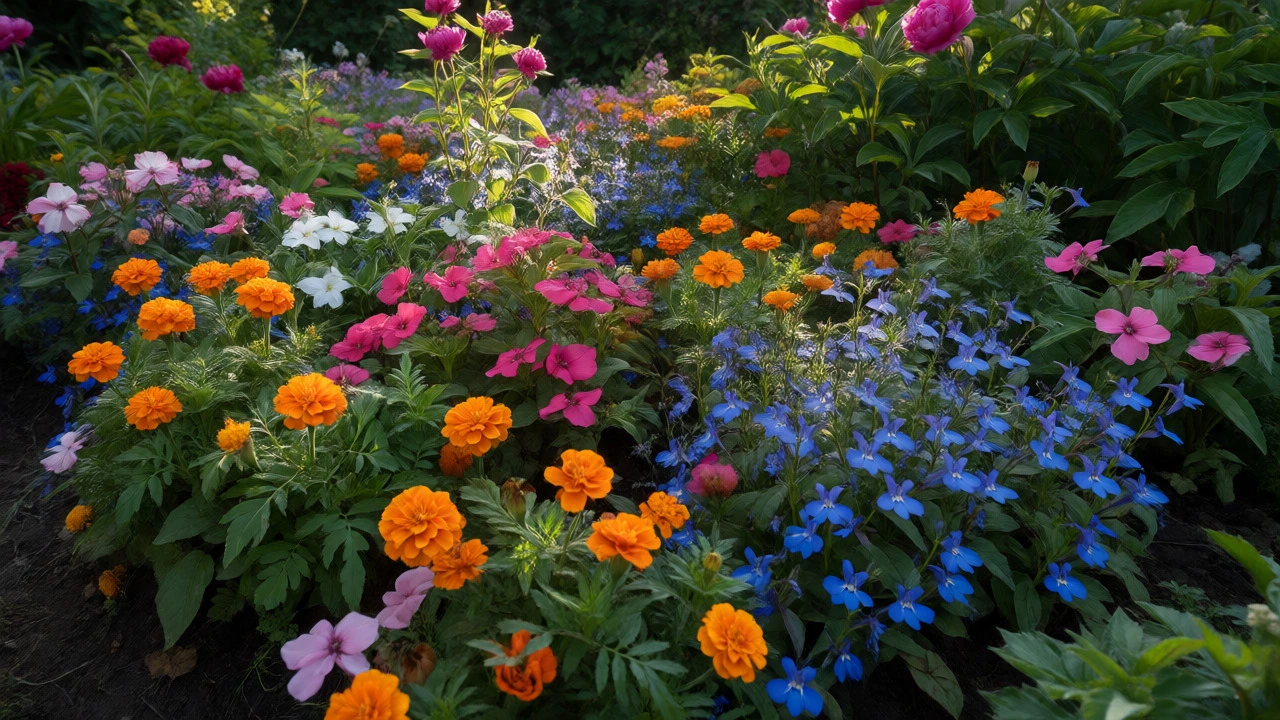
A common mistake is treating all annuals as soloists. If you buy a six-pack of Lobelia and plant them 4 inches apart instead of 6, they will likely merge into a beautiful blue wave within weeks. Just be prepared to deadhead them aggressively, as dense foliage can hide spent blooms.
How to Calculate Realistic Spacing
Here is a practical approach to determining if you can cheat the spacing rules. Look at the mature width of the plant, not the height. Height matters for sightlines, but width determines collision.
If a plant has a mature width of 12 inches, the standard advice is to place centers 12 inches apart. This means the edges just touch. If you want a denser look, you might place them 9 inches apart. That’s a 25% reduction. For most robust annuals, this is safe. For sensitive plants like Dahlias or Roses, reducing spacing by even 10% can cause issues.
| Plant Type | Recommended Spacing | Can You Reduce It? | Risk Factor |
|---|---|---|---|
| Annuals (Petunia, Marigold) | 6-8 inches | Yes, up to 25% | Low (if fed/watered) |
| Perennials (Lavender, Sage) | 12-18 inches | No | High (Root rot risk) |
| Bulbs (Tulips, Daffodils) | 3-6 inches | Yes, naturalizing style | Medium (Overcrowding over years) |
| Large Perennials (Peony, Iris) | 18-24 inches | No | Very High (Poor blooming) |
Notice the pattern? Woody herbs and large-rooted perennials hate being crowded. Soft-stemmed annuals are forgiving. Bulbs are tricky-you can plant them closer for a first-year show, but they will exhaust the soil and compete for nutrients, leading to fewer blooms in year two unless you lift and divide them.
The Soil and Water Equation
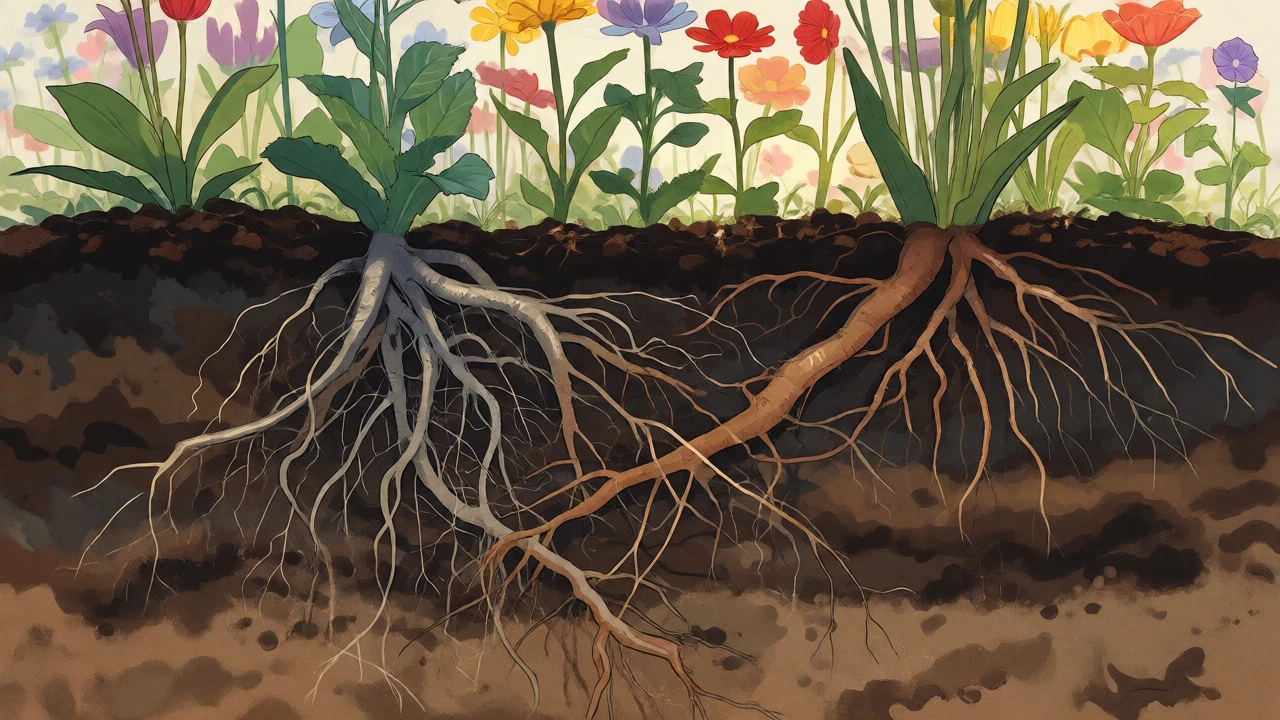
Tight planting changes the maintenance schedule. When plants share a small footprint, their roots interlock. This means they draw from the same limited pool of water and nutrients. If you plant densely, you must upgrade your soil preparation.
Before planting, mix in plenty of organic matter-compost or well-rotted manure. This acts as a sponge, holding moisture longer and providing steady nutrition. With closely spaced plants, surface watering isn't enough. You need deep, infrequent watering to encourage roots to go down rather than staying shallow and tangling near the surface.
Fertilization becomes non-negotiable. A dense patch of impatiens will strip nitrogen from the soil quickly. Use a slow-release granular fertilizer at planting time, then follow up with liquid feed every few weeks during peak summer. If you skip this, the plants in the center of the clump will yellow and drop leaves while the outer ones stay green. That’s a classic sign of resource competition.
Strategic Overlap: The Designer’s Secret
Garden designers often use a technique called "interplanting" or "matrix planting" to make beds look fuller instantly. This involves placing smaller, fast-growing plants between slower-growing larger ones. For example, plant Pansies or Violas directly around the base of emerging Tulips or early spring bulbs. By the time the bulbs die back, the Pansies have taken over the visual space.
This works because the plants have different life cycles and root depths. The bulbs are short-lived in terms of foliage, while the annuals provide continuous color. Another trick is underplanting shrubs. Tuck Hellebores or Cyclamen under deciduous shrubs. The shrub provides shade in summer (which these shade-lovers prefer), and the flowers emerge in winter when the shrub is bare.
In Brighton, where our winters are mild but wet, this layering is particularly effective. You can keep interest going year-round by stacking plants vertically and temporally. Don’t just think about horizontal space; think about time. Who blooms when? If two plants peak at the same time, they compete. If they stagger, they complement.
Common Pitfalls to Avoid
Even with good intentions, gardeners often fall into traps when trying to pack beds tightly.
- Ignoring Airflow: Always orient dense plantings so prevailing winds can pass through. In exposed coastal gardens like ours here in Sussex, solid walls of foliage can act as sails, breaking stems. Prune lower leaves off tall plants to let air circulate at ground level.
- Mixing Aggressors with Wimps: Mint is a bully. If you plant mint next to delicate ferns or hostas, the mint will strangle them within a season. Keep aggressive spreaders in pots or separate zones.
- Forgetting Sunlight Changes: A spot that is sunny in May might be shaded by a rapidly growing sunflower in July. If you plant shade-tolerant flowers too close to a fast-growing tall plant, they may get choked out. Plan for the end-of-season silhouette, not just the spring view.
Also, consider the aesthetic of "negative space." Sometimes, leaving a bit of mulch visible between plants highlights the form of each specimen. It’s okay to have gaps! A perfectly packed bed can sometimes look chaotic. Balance density with structure.
Final Thoughts on Density
So, can you plant flowers right next to each other? Yes, but with caveats. Treat spacing as a guideline, not a law, but respect the biology of the plant. Start with the recommended spacing for woody plants and large perennials. Feel free to tighten up for annuals and groundcovers, but boost your soil health and watering regime to compensate.
Experiment in small sections of your garden. Try planting one row at standard spacing and another 20% closer. Observe which looks better after six weeks. Which has healthier leaves? Which needs less water? Your eyes and your plants will tell you what works best for your specific microclimate. Gardening is iterative, so don’t be afraid to adjust your strategy next season based on what you learned this one.
Does planting flowers close together increase weed growth?
Actually, it usually decreases weed growth. Dense planting shades the soil, preventing sunlight from reaching weed seeds. This natural suppression is one of the main benefits of high-density gardening, though it requires careful initial weeding before the canopy closes.
What happens if I plant bulbs too close together?
Bulbs planted too closely will compete for nutrients. In the first year, they may bloom beautifully due to stored energy in the bulb. However, in subsequent years, they will produce fewer and smaller flowers because the roots cannot expand properly. You will likely need to dig them up and divide them sooner than usual.
Can I change the spacing after planting?
It depends on the age of the plant. Young seedlings can be transplanted easily if you notice overcrowding early. Mature plants with established root systems suffer significant transplant shock if moved. It is better to thin them out (remove every other plant) than to move them entirely.
Do roses need wide spacing?
Yes, roses generally require good airflow to prevent black spot and powdery mildew. While modern landscape roses can tolerate tighter groupings, hybrid teas and floribundas should be spaced according to their mature width, typically 2 to 3 feet apart, to ensure healthy foliage and abundant blooms.
Is there a difference in spacing for container gardening?
In containers, you can often plant slightly closer than in the ground because you control the soil quality and watering precisely. However, you must fertilize heavily. A pot with densely packed plants drains nutrients quickly, so weekly feeding is often necessary to maintain vigor.