Tomato Plant Soap Solution Calculator
Avoid "burning" your tomato leaves. Use this tool to determine the exact amount of soap for your spray bottle size.
- Always test on one leaf first and wait 48 hours.
- Apply in early morning or late evening (avoid direct sun).
- Focus on the undersides of leaves.
- Rinse plant with fresh water a few hours after application.
The Quick Verdict on Soap and Tomatoes
You've probably seen a handful of gardening blogs claiming that a bit of soap and water is the magic cure for every bug in your garden. But before you grab that blue bottle from under the sink, you need to know that Dawn dish soap on tomato plants is a bit of a gamble. It can kill the pests, but if you do it wrong, you'll kill your plants too. The short answer is: yes, you can use it, but only as a last resort and with a very specific recipe. Using it straight from the bottle is a recipe for disaster.
- Risk: High if the concentration is too strong.
- Effectiveness: High against soft-bodied insects like aphids.
- Best Practice: Always test on one leaf first and avoid midday sun.
Why Soap Actually Works on Bugs
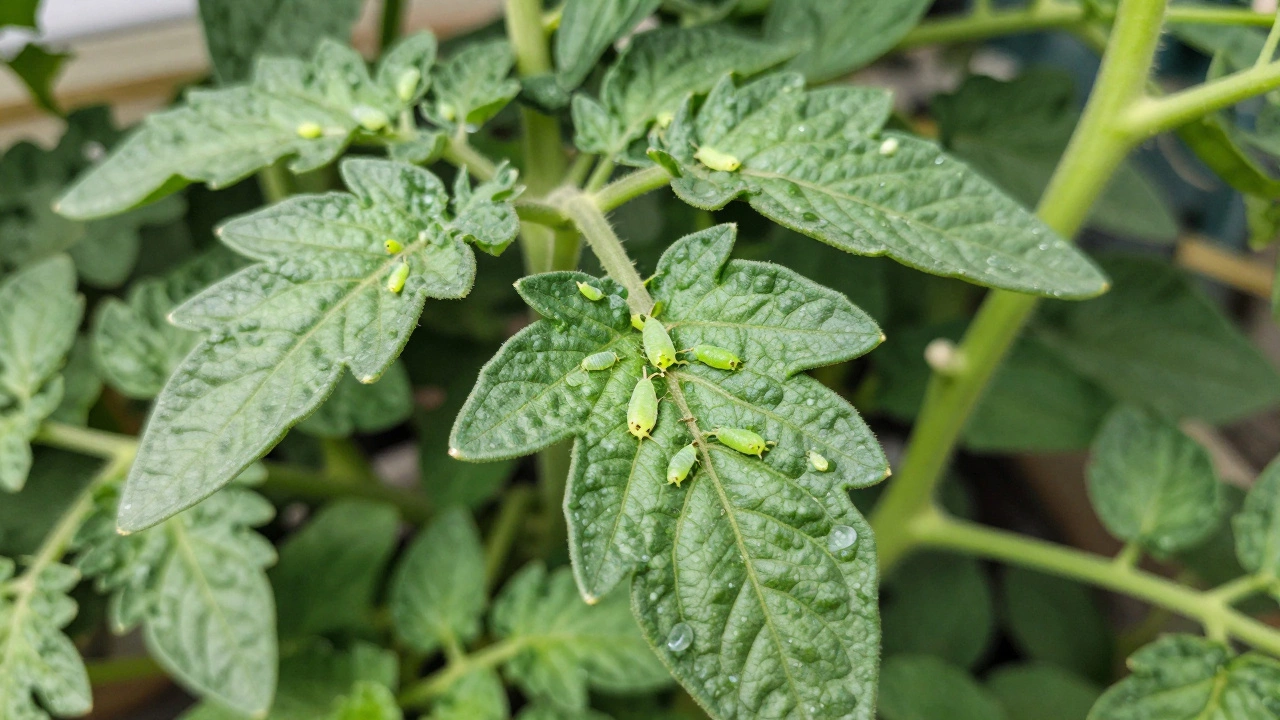
To understand why we use soap, you have to look at the bug. Pests like Aphids (tiny, pear-shaped insects that suck sap) and Spider Mites don't have the hard shells that beetles do. They have soft bodies and permeable skins. When soap hits them, it disrupts their cell membranes and blocks their breathing pores (spiracles), essentially suffocating them on contact.
It's a mechanical kill, not a chemical one. This means the bugs don't develop a resistance to soap the way they do with complex synthetic pesticides. However, this same "stripping" action is why the soap is dangerous for your tomato plant. The leaves of a tomato plant have a cuticle-a thin, waxy coating that prevents water loss. Soap dissolves that wax. Once the wax is gone, the sun can scorch the leaf, or fungi can enter the plant more easily.
The Danger of "Dish Soap" vs. "Insecticidal Soap"
Here is where most gardeners mess up. There is a massive difference between a household detergent and a dedicated insecticidal soap. Most modern dish soaps, including the popular blue Dawn, contain degreasers, fragrances, and bleaching agents. These additives are fine for your plates but can be phytotoxic-meaning they are toxic to plants.
| Feature | Dawn / Dish Soap | Insecticidal Soap (Potassium Salt) |
|---|---|---|
| Primary Goal | Removing grease from surfaces | Targeting soft-bodied pests |
| Plant Safety | Risky (contains detergents) | Safe (specifically formulated) |
| Active Ingredient | Synthetic surfactants | Potassium salts of fatty acids |
| Residue | Can leave a film/scorch leaves | Generally washes away cleanly |
How to Mix a Safe Solution
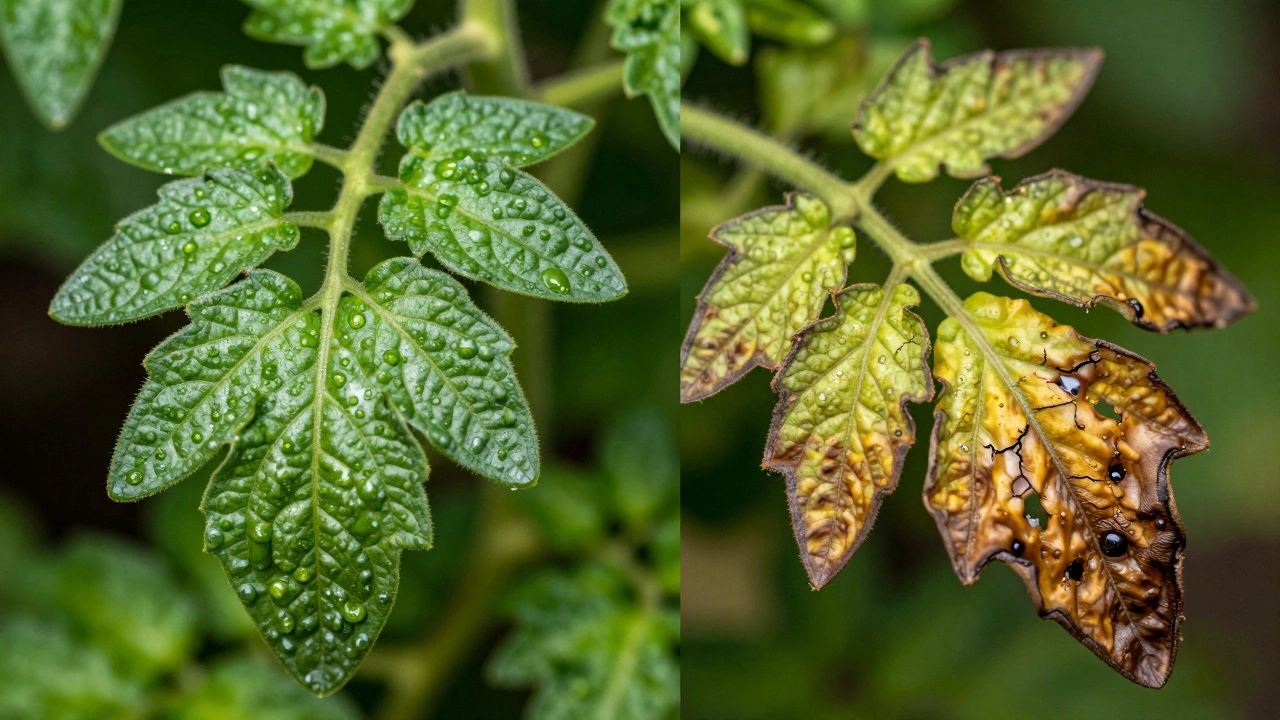
If you're determined to use what's in your kitchen, you have to be incredibly careful with the ratio. You aren't making a bubble bath; you're making a very dilute mist. If the solution is too thick, you'll see brown, burnt edges on your leaves within 48 hours.
- The Ratio: Use about 1 teaspoon of soap per 1 quart (roughly 1 liter) of water. If you're using a standard spray bottle, that's a tiny drop of soap.
- The Mix: Mix it gently. You don't want a mountain of foam; you want the soap integrated into the water.
- The Test: Spray a single leaf on a lower branch. Wait 24 to 48 hours. If the leaf turns yellow or brown, your mix is too strong. Dilute it further.
Applying the Spray Without Killing Your Crop
Timing is everything. If you spray your tomato plants at 2 PM in the middle of a heatwave, the soap will act like a magnifying glass for the sun, burning the foliage instantly. This is called phytotoxicity.
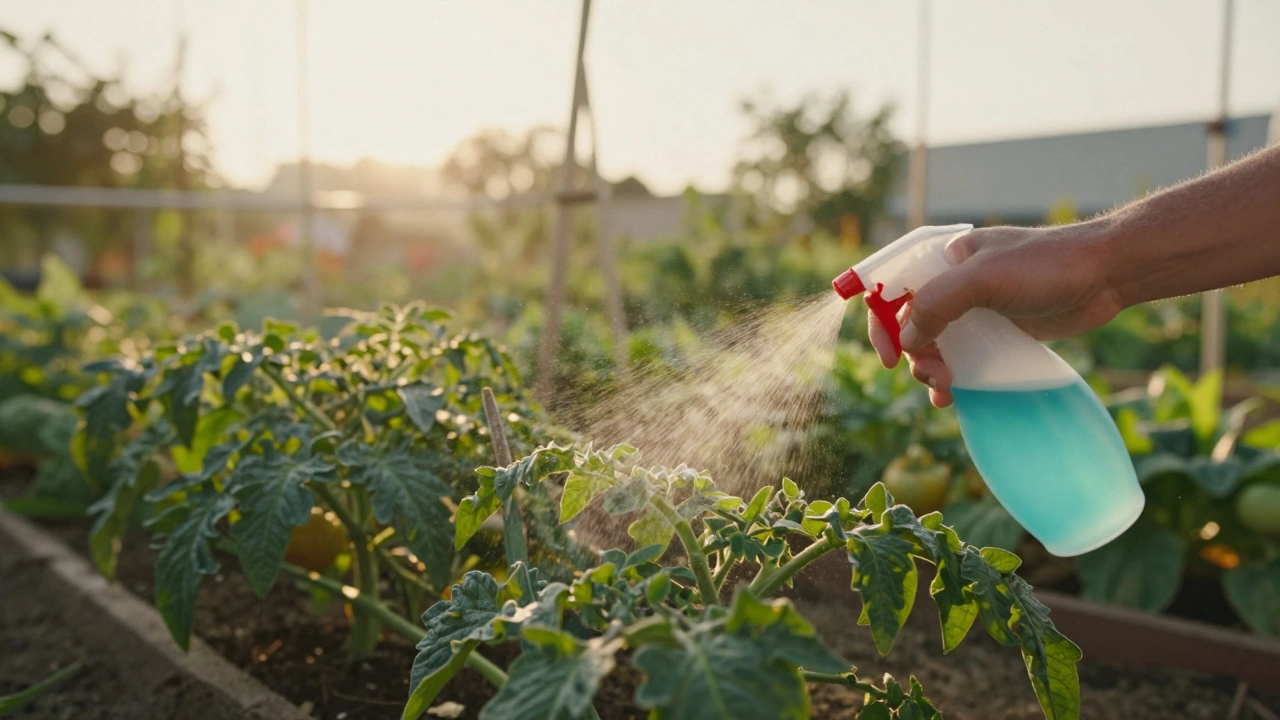
The best time to spray is early in the morning or late in the evening when the temperature is cooler. Focus your spray on the undersides of the leaves. That's where Whiteflies and aphids love to hide. Since soap only works on contact, you have to actually hit the bug. Spraying the top of the leaf while the bugs are underneath does nothing but stress the plant.
Another pro tip: don't leave the soap on the plant for days. After a few hours, or once you're sure the bugs are dead, give the plant a gentle rinse with fresh water. This removes the soap residue and allows the plant to "breathe" through its stomata without the risk of the waxy layer being completely stripped away.
When to Avoid Soap Entirely
Soap isn't a cure-all. In some cases, using it will actually make your problem worse. For example, if your tomato plants are already struggling with Early Blight or other fungal infections, soap can weaken the plant's natural defenses, making it even easier for the disease to spread.
Also, be mindful of the "good bugs." Ladybugs and lacewings are your best allies in a garden. They eat aphids for breakfast. Soap doesn't distinguish between a "pest" and a "beneficial insect." If you blanket-spray your entire garden, you'll kill the predators that were doing the work for you, potentially leading to a bigger pest surge a week later.
Better Alternatives for Tomato Pests
If you're nervous about using dish soap, there are safer ways to handle the bugs. Neem Oil is a fantastic organic alternative. It's derived from the seeds of the neem tree and acts as both a pesticide and a fungicide. Unlike dish soap, it provides a longer-lasting protective barrier on the leaf.
For a truly natural approach, try a strong stream of water from a garden hose. This is often enough to knock aphids off the stems. Once they are on the ground, most can't make it back up to the plant. If the infestation is severe, introducing a colony of predatory insects can solve the problem without a single drop of chemical intervention.
Does Dawn soap kill tomato hornworms?
Not really. Tomato hornworms are too large and have too thick a skin for a diluted soap spray to be effective. Your best bet for hornworms is picking them off by hand (usually at night with a flashlight) or using Bacillus thuringiensis (Bt), a naturally occurring soil bacterium.
Can I use soap every day?
Absolutely not. Repeated application of soap will strip the plant's cuticle and lead to severe dehydration and nutrient deficiency. Use soap only every 7 to 10 days, and only until the pest population is under control.
Will soap affect the taste of my tomatoes?
If you follow the dilution rules and rinse the plants, it won't affect the fruit. However, avoid spraying the actual tomatoes directly with high concentrations of soap, as it can leave a residue that is difficult to wash off.
Is there a safer soap than Dawn?
Yes. Look for a pure castile soap (like Dr. Bronner's). Castile soap is made from vegetable oils and doesn't contain the harsh synthetic detergents and degreasers found in most commercial dish soaps, making it much gentler on plant foliage.
What happens if I accidentally over-spray?
If you notice the leaves curling or turning brown shortly after spraying, immediately flush the entire plant with clean water. This helps remove the excess surfactant and can prevent further burning of the tissue.
Next Steps for a Pest-Free Garden
If you've decided to try the soap method, start small and monitor your plants closely. For those who want to avoid the risk entirely, switching to a dedicated insecticidal soap or Neem oil is the smartest move. To prevent future outbreaks, try companion planting; placing marigolds or basil around your tomatoes can naturally repel many of the pests that soap is used to treat. Keep your soil healthy with organic compost, as a stressed plant is always more attractive to bugs than a vibrant, healthy one.