Companion Planting Compatibility Checker
Enter your garden details to calculate the risk level and get tailored advice for growing peppers and tomatoes side-by-side.
Compatibility Score
0%Recommendations & Tips
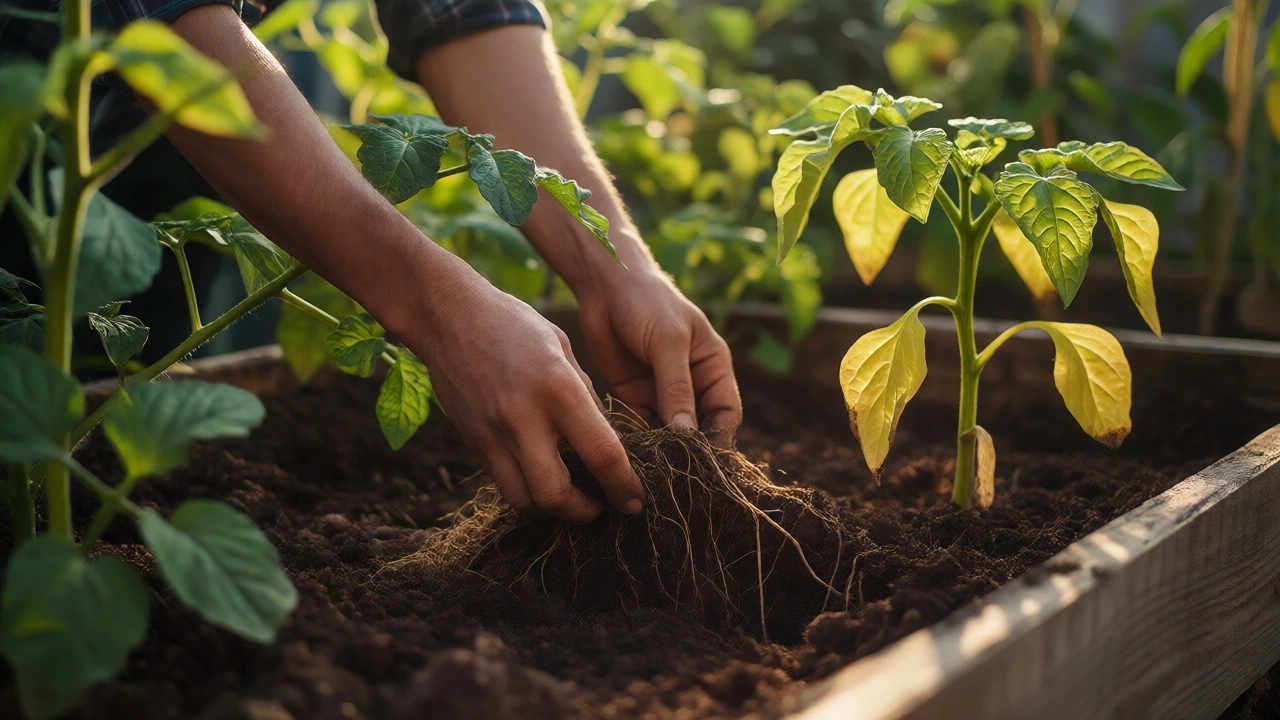
Imagine walking out to your raised bed in late summer, expecting a bounty of sweet fruit, only to find yellowing leaves and stunted growth on both your pepper plants and tomato vines. It’s a frustrating sight, especially when you’ve spent months nurturing them from seedlings. The question on every home gardener's mind is simple: can these two heavy feeders coexist peacefully, or are they fighting for the same resources underground?
The short answer is yes, but with significant caveats. While peppers and tomatoes share similar growing conditions-sunlight, warmth, and soil preferences-they also share vulnerabilities. If you’re planning your garden layout for the upcoming season, you need to understand the risks of disease transmission and nutrient competition before you dig that hole. This guide breaks down exactly how to make this pairing work, what pitfalls to avoid, and which neighbors might actually help your crop thrive.
The Botanical Connection: Why They Seem Like Perfect Partners
At first glance, planting peppers and tomatoes together feels like a no-brainer. Both belong to the Solanaceae family, often called nightshades. Because they evolved in similar climates, their basic needs align almost perfectly. They crave full sun (at least six to eight hours daily), warm soil temperatures above 15°C, and consistent moisture without waterlogging.
This similarity makes them easy to manage as a group. You don’t need separate irrigation zones or vastly different fertilizer regimes. In a compact raised bed, grouping them saves space and simplifies maintenance. However, sharing a family tree means they share weaknesses. Just as siblings inherit certain traits, peppers and tomatoes inherit specific susceptibilities to pests and diseases. Ignoring this genetic link is where most gardening mistakes happen.
The Disease Risk Factor
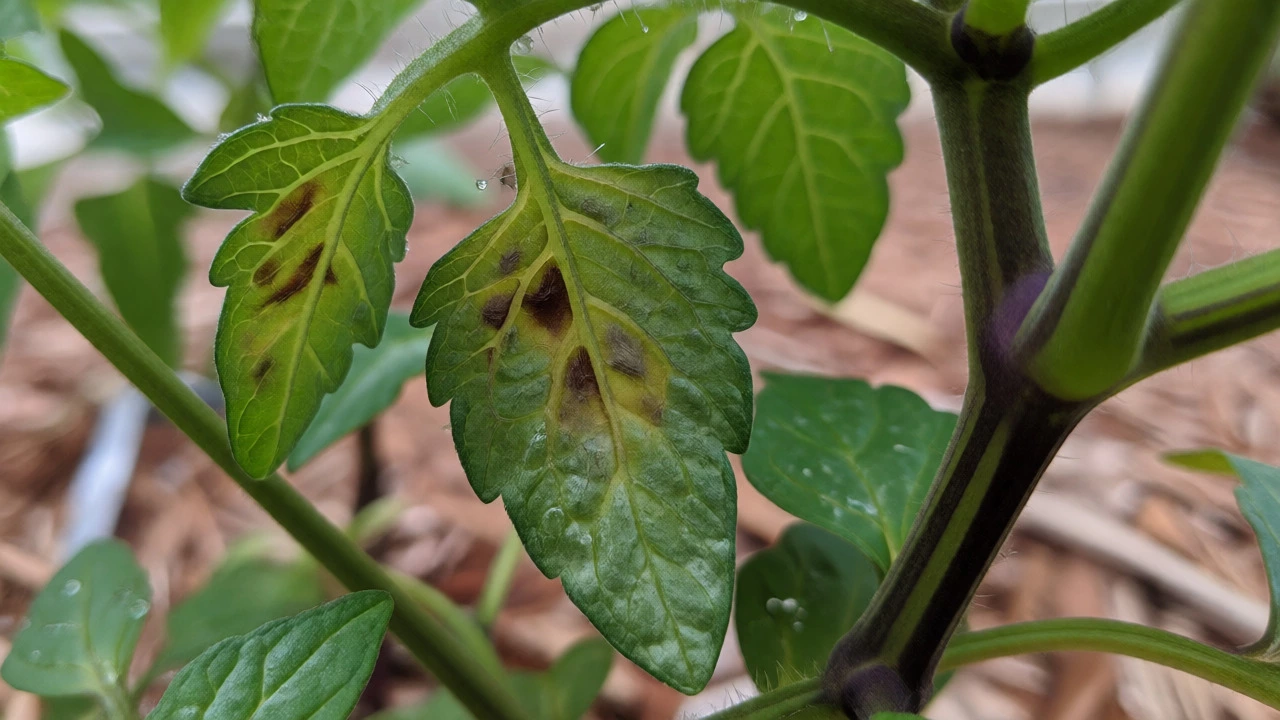
The biggest argument against planting peppers next to tomatoes isn’t about taste-it’s about health. Because they are close relatives, pathogens that attack one often devastate the other. Early blight and late blight are fungal diseases that spread rapidly through spores carried by wind or splashing rain. If your tomato plant develops blight, those spores land directly on the adjacent pepper foliage.
Peppers are particularly sensitive to root rot caused by overwatering, a condition exacerbated if dense tomato foliage blocks airflow around the base of the pepper plant. In humid UK summers, poor air circulation is a silent killer. When leaves stay wet overnight due to crowding, fungal issues take hold quickly. If you have a history of blight in your garden, keeping these two apart is safer than hoping for the best.
| Factor | Benefit | Risk |
|---|---|---|
| Soil Requirements | Both prefer slightly acidic, well-drained soil (pH 6.0-6.8). | High nutrient demand leads to rapid depletion of nitrogen and potassium. |
| Pest Management | Easier to monitor for aphids and whiteflies in one zone. | Shared susceptibility to blight, verticillium wilt, and mosaic virus. |
| Space Efficiency | Maximizes yield in small raised beds. | Crowding reduces airflow, increasing humidity and disease risk. |
| Harvest Timing | Similar harvest windows simplify picking. | Tall tomatoes may shade shorter pepper varieties too heavily. |
Nutrient Competition and Soil Health
Tomatoes are notorious hungry plants. They require substantial amounts of nitrogen for leafy growth early in the season and high levels of phosphorus and potassium once flowers appear. Peppers have similar appetites, though generally slightly less voracious than large indeterminate tomato varieties. When planted too closely, they compete aggressively for root space and nutrients.
If you notice your pepper plants looking pale despite regular feeding, the neighboring tomatoes might be stealing their lunch. To mitigate this, amend your raised bed soil generously with compost before planting. A layer of 5-10 cm of mature organic matter helps buffer nutrient availability. Mulching is non-negotiable here; it retains moisture and regulates soil temperature, reducing stress on both crops. Avoid using fresh manure near peppers, as excessive nitrogen can lead to lush foliage at the expense of fruit production.
Strategic Placement in Raised Beds
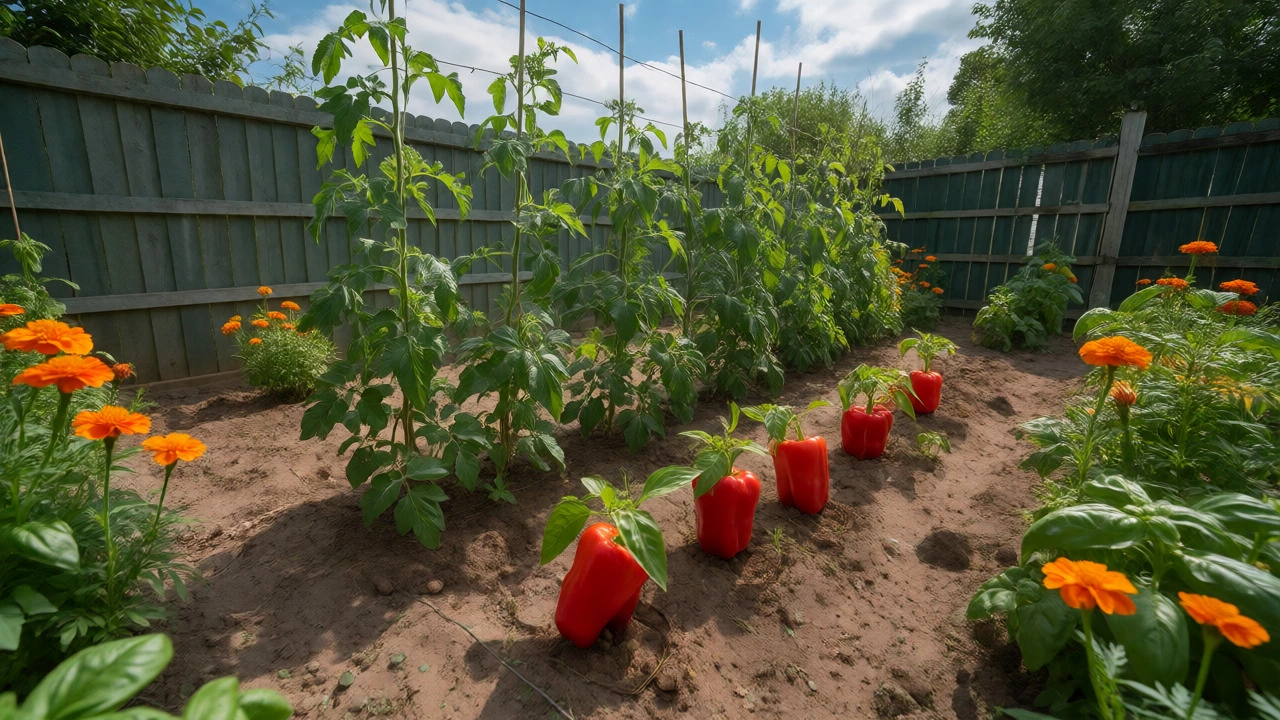
You can absolutely grow them side-by-side if you respect spacing rules. Most guides suggest 45-60 cm between tomato plants. For peppers, 30-45 cm is usually sufficient. When interplanting, aim for the wider end of these ranges. Give each plant its own square foot of real estate to allow roots to expand without tangling excessively.
Consider height differences. Tall indeterminate tomatoes can cast shadows on smaller bell or chili peppers. Plant taller varieties on the north side of the bed (in the Northern Hemisphere) so they don’t block morning sun from reaching the peppers. Alternatively, use determinate bush tomatoes that stay compact, allowing better light penetration for the peppers below. Trellising tomatoes vertically keeps foliage off the ground and improves airflow around nearby pepper stems.
Best Companions to Add to the Mix
Don’t just stick to peppers and tomatoes. Surrounding them with beneficial companions can boost overall garden health. Basil is the classic partner. Many gardeners swear it repels thrips and flies while potentially enhancing tomato flavor. While scientific evidence on flavor enhancement is mixed, basil certainly attracts pollinators and adds culinary convenience.
Marigolds are another excellent choice. French marigolds release compounds from their roots that deter nematodes, microscopic worms that attack tomato and pepper roots. Interplanting marigolds throughout your raised bed creates a protective barrier. Onions and garlic also work well, as their strong scent confuses pests looking for nightshade plants. Just remember that alliums shouldn’t crowd the main crops; keep them at the edges or in gaps where airflow remains good.
What to Avoid Planting Nearby
Since peppers and tomatoes are already competing for similar resources, avoid adding other heavy feeders or related plants to the same immediate zone. Potatoes, for instance, are also nightshades. Planting potatoes next to tomatoes increases the risk of blight spreading across three crops simultaneously. Corn is another poor neighbor; it shades out lower plants and competes for nitrogen, plus it attracts corn earworms, which also chew on tomato and pepper fruits.
Fennel is generally considered incompatible with most vegetables, including tomatoes and peppers, as it can inhibit their growth. Keep fennel in a separate patch entirely. Brassicas like cabbage and broccoli prefer cooler weather and different soil pH levels, making them awkward neighbors for heat-loving nightshades. Save those for a different section of your garden rotation.
Practical Tips for Success
If you decide to plant them together, follow these actionable steps to minimize problems:
- Rotate Crops: Never plant peppers or tomatoes in the same spot two years in a row. Rotate with legumes (beans, peas) to fix nitrogen and break disease cycles.
- Water at the Base: Use drip irrigation or soaker hoses to keep leaves dry. Wet foliage invites fungal diseases.
- Prune Lower Leaves: Remove the bottom set of leaves from tomato plants to prevent soil-borne spores from splashing up during rain.
- Monitor Weekly: Check undersides of leaves for aphids and mites. Early detection prevents infestations from jumping between plants.
- Feed Regularly: Use a balanced liquid fertilizer every two weeks once flowering begins. Switch to a high-potassium feed (like tomato feed) as fruit sets.
By managing these factors carefully, you can enjoy a productive harvest from both crops without sacrificing plant health. It requires more attention than growing them separately, but the efficiency gain in a small raised bed often outweighs the extra effort.
Do peppers affect the taste of tomatoes?
No, there is no scientific evidence that peppers change the flavor of tomatoes through cross-pollination or root interaction. Cross-pollination affects seeds saved for future generations, not the current fruit. The idea that proximity alters taste is largely an old wives' tale.
How far apart should I plant peppers and tomatoes?
Maintain at least 45 cm (18 inches) between individual plants to ensure adequate airflow and root space. If using tall indeterminate tomatoes, increase spacing to 60 cm to prevent shading and reduce humidity around the peppers.
Can I grow peppers and tomatoes in containers together?
It is difficult to do successfully unless the container is very large (at least 30 liters). Both plants have extensive root systems that will compete intensely for water and nutrients in confined spaces. Separate pots are generally recommended for container gardening.
Which plants should never be planted with tomatoes?
Avoid planting brassicas (cabbage, broccoli, kale), corn, potatoes, and fennel near tomatoes. These plants either compete for similar nutrients, attract shared pests, or release chemicals that inhibit tomato growth.
Is companion planting scientifically proven?
Some aspects, like pest deterrence via scent (e.g., marigolds vs. nematodes), have strong scientific backing. Others, like flavor enhancement, are anecdotal. The primary benefit is often improved biodiversity and habitat for beneficial insects rather than direct chemical interactions.