Companion Planting Compatibility Checker
Check Your Garden Pairings
Select two plants to see how they interact.
Have you ever noticed how some plants seem to thrive when they’re neighbors, while others look like they’re fighting for survival? It’s not just in your head. Plants communicate through their roots and the air, sharing nutrients, warding off pests, and even changing the chemistry of the soil around them. This natural phenomenon is called companion planting, which is the practice of placing different plants near each other to gain specific benefits such as pest control, pollination, or improved growth. Getting this right can mean the difference between a bountiful harvest and a patch of struggling greens.
Many gardeners treat their plots like isolated islands, but nature works in networks. By understanding which vegetables grow best together, you can create a self-sustaining ecosystem in your backyard. You don’t need expensive chemicals or complex machinery. You just need to know who likes whom. Let’s break down the science and the strategy behind these powerful partnerships so you can design a garden that actually wants to be there.
The Science Behind Why Plants Get Along
Before we jump into the list of friends and foes, it helps to understand *why* certain pairings work. It usually comes down to three mechanisms: chemical signaling, physical support, and nutrient cycling.
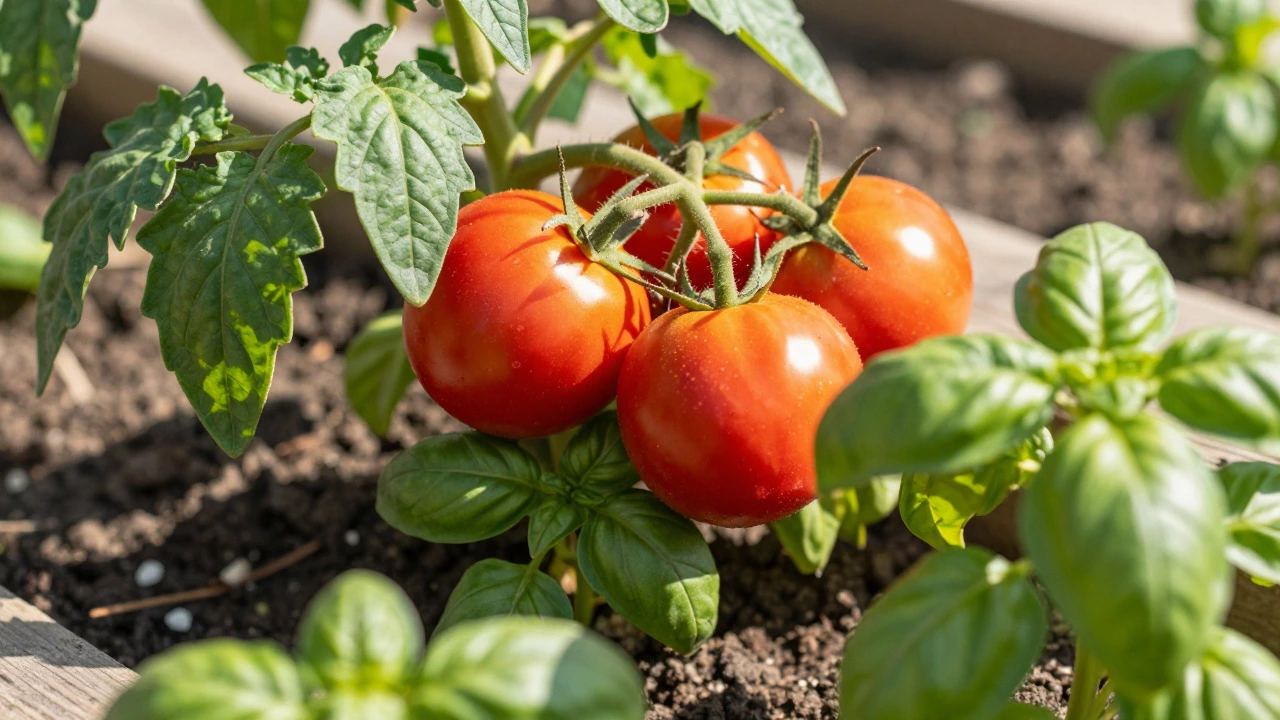
Some plants release volatile organic compounds (VOCs) from their leaves or roots. For example, tomatoes are a warm-season fruiting vegetable that belongs to the nightshade family and requires full sun and consistent watering. Tomatoes release scents that confuse pests looking for their foliage. When planted with basil, the strong aroma of the basil masks the tomato scent, making it harder for aphids and whiteflies to find their target. Meanwhile, tomatoes provide a tall structure for shorter companions to benefit from partial shade during the hottest part of the day.
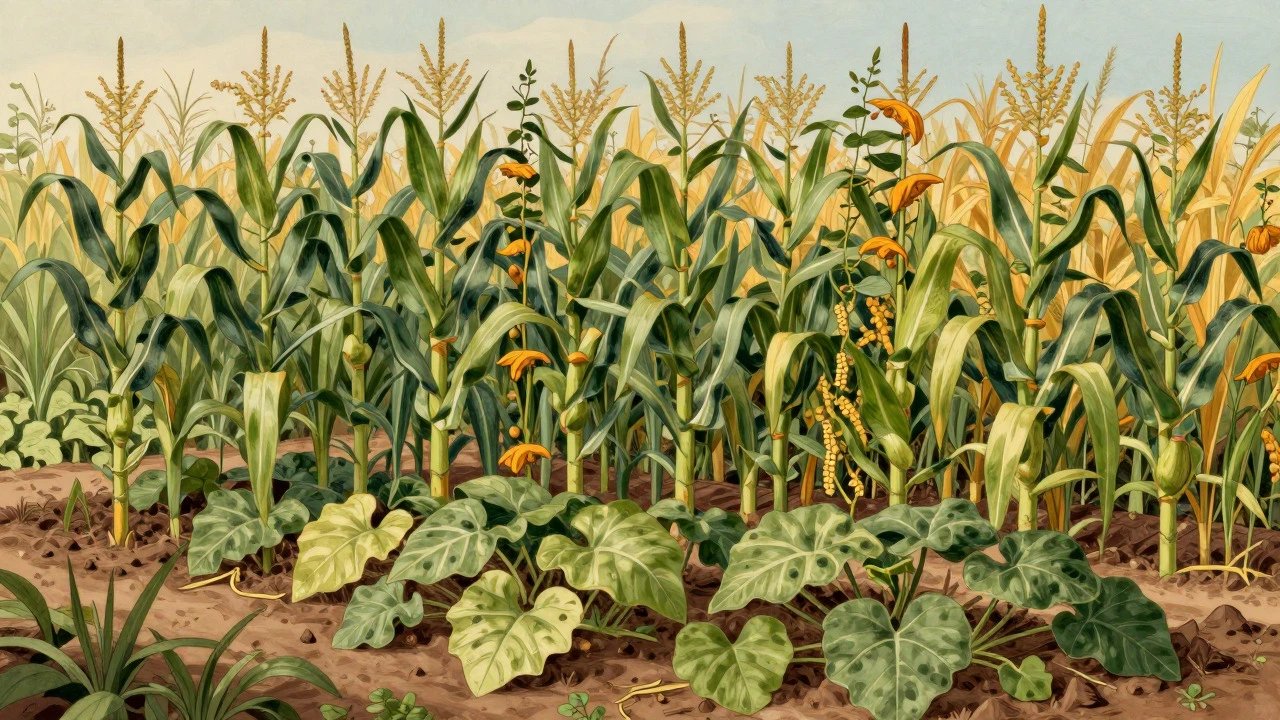
Other relationships are about resources. Legumes, like beans and peas, have a symbiotic relationship with rhizobia bacteria in the soil. These bacteria fix atmospheric nitrogen and turn it into a form plants can use. If you plant heavy feeders like corn or squash next to beans, the legumes essentially fertilize their neighbors for free. This is the core of the ancient "Three Sisters" planting method used by Indigenous peoples in North America for centuries.
The Best Vegetable Pairings for Your Garden
Not all combinations are created equal. Here are the most reliable, high-yield pairings that you can implement in your garden beds immediately. These aren't just folklore; they are backed by agricultural observation and practical experience.
- Tomatoes and Basil: This is the classic duo. Basil repels thrips, flies, and mosquitoes. In return, tomatoes offer structural support. Some gardeners also believe basil improves the flavor of tomatoes, though the primary benefit is pest deterrence.
- Corn, Beans, and Squash: Known as the Three Sisters. Corn provides a stalk for beans to climb. Beans add nitrogen to the soil for the hungry corn and squash. Squash leaves spread out low to the ground, acting as a living mulch that retains moisture and suppresses weeds.
- Carrots and Onions: Carrot fly hates the smell of onions, garlic, and leeks. Conversely, onion fly dislikes the scent of carrots. Planting them side-by-side creates a sensory barrier that confuses both pests.
- Lettuce and Tall Flowers (like Sunflowers): Lettuce bolts (goes to seed) quickly in hot sun. Planting it at the base of sunflowers or broccoli gives it cool shade, extending its harvest window significantly.
- Strawberries and Borage: Borage attracts bees, which pollinate strawberries, leading to bigger berries. Borage also reportedly deters cabbage worms.
- Broccoli and Herbs (Dill, Rosemary, Sage): Strong-smelling herbs mask the scent of brassicas, keeping away cabbage loopers and butterflies that lay eggs on the undersides of leaves.
| Primary Crop | Best Companions | Key Benefit |
|---|---|---|
| Tomatoes | Basil, Carrots, Parsley | Pest repellent (basil), Soil loosening (carrots) |
| Beans | Corn, Squash, Peas | Nitrogen fixation, Structural support |
| Carrots | Onions, Leeks, Rosemary | Masks scent from carrot fly |
| Lettuce | Radishes, Strawberries, Chives | Shade provision, Pest confusion |
| Cucumbers | Beans, Corn, Radishes, Dill | Attracts pollinators, Deters beetles |
Plants That Should Never Share a Bed
If there are good neighbors, there are also bad ones. Antagonistic plants compete for the same nutrients, attract the same pests, or release chemicals that inhibit the growth of others (a process called allelopathy). Avoiding these mistakes is just as important as choosing the right friends.
Tomatoes and Potatoes: Both belong to the nightshade family (Solanaceae). They share many diseases, including blight and verticillium wilt. If one gets sick, the other will likely follow. Keep them in separate parts of the garden to prevent an outbreak from wiping out your entire crop.
Fennel and Almost Everything: Fennel is notoriously allelopathic. It releases chemicals from its roots that stunt the growth of neighboring plants. Unless you have a dedicated bed just for fennel, keep it away from beans, tomatoes, and cucumbers. It’s better grown in isolation.
Brassicas and Strawberries: Cabbage, kale, and broccoli love nitrogen. Strawberries also need nitrogen but are shallow-rooted. Brassicas will outcompete strawberries for nutrients, and the heavy feeding habits of brassicas can exhaust the soil too quickly for delicate strawberry runners.
Beans and Onions/Garlic: While onions help carrots, they can hinder the growth of beans. The sulfur compounds in alliums can interfere with the nitrogen-fixing ability of legumes. Keep your bean patches separate from your onion rows.
Designing Your Garden Layout for Success
Knowing which plants get along is step one. Arranging them effectively is step two. A well-designed garden maximizes space and minimizes labor. Here is how to translate companion planting theory into physical layout.
Vertical Layering: Think in three dimensions. Use tall plants like corn, sunflowers, or trellised peas to create height. Plant medium-height crops like tomatoes, peppers, and eggplants in the middle layer. Fill the ground level with low-growing plants like lettuce, spinach, radishes, and creeping herbs like thyme or oregano. This mimics a forest understory and ensures every square inch of sunlight is utilized.
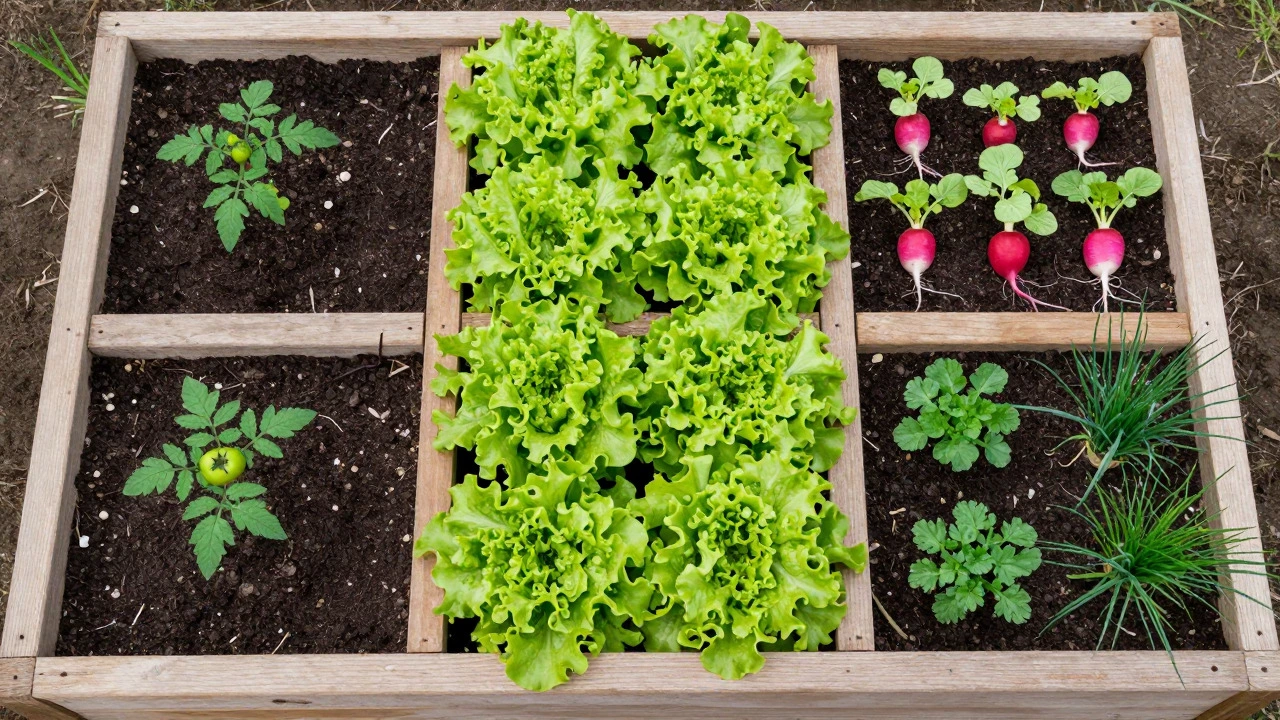
The Square Foot Gardening Method: This technique involves dividing your bed into a grid. Instead of row cropping (which wastes space between rows), you plant specific numbers of each vegetable per square foot. For example, one square might hold one tomato plant, while another holds nine lettuce heads. You can place compatible squares next to each other. Put your nitrogen-fixing bean squares adjacent to your heavy-feeding corn squares.
Trap Cropping: This is a strategic distraction. Plant a crop that pests love *more* than your main crop nearby. For instance, plant nasturtiums near your cucumbers. Aphids will flock to the nasturtiums, leaving your cucumbers alone. Once the nasturtiums are covered in pests, you can remove and dispose of them, taking the infestation with them.
Seasonal Considerations and Crop Rotation
Companion planting isn’t static. As seasons change, so do your needs. In early spring, fast-growing radishes and spinach can be planted between slower-starting tomatoes. By the time the tomatoes need the space, you’ve already harvested the radishes. This is called succession planting, and it works hand-in-hand with companion planting.
Crop rotation is equally vital. Even if plants are good companions, planting the same family in the same spot year after year depletes specific nutrients and builds up soil-borne diseases. Rotate nightshades (tomatoes, peppers) with root vegetables (carrots, beets) and then with brassicas (cabbage, broccoli). This breaks pest cycles and balances soil health. When rotating, remember that companions move with their families. If you move your tomatoes, move their basil neighbors too.
Common Mistakes to Avoid
Even experienced gardeners make errors. Here are a few pitfalls to watch out for.
Overcrowding: Just because plants like each other doesn’t mean they should be touching. Air circulation is critical for preventing fungal diseases like powdery mildew and botrytis. Give each plant enough room to breathe. Follow spacing guidelines on seed packets, but adjust slightly based on the vigor of your specific varieties.
Ignoring Light Requirements: Don’t plant a sun-loving pepper next to a shade-tolerant fern if the pepper will cast deep shade over the fern’s preferred zone. Ensure that taller companions don’t block essential sunlight from shorter ones during peak growing hours (10 AM to 2 PM).
Forgetting Water Needs: Group plants with similar water requirements together. Cucumbers and zucchini love lots of water. Herbs like rosemary and thyme prefer dry conditions. If you plant them together, one will either drown or parch. Create distinct zones for wet-lovers and drought-tolerant species.
Getting Started: A Simple Plan for Beginners
If you’re new to this, start small. Pick one bed or one raised box. Choose a central anchor plant, like a tomato or a corn stalk. Then, select two or three companions that benefit it. Add a trap crop like nasturtiums around the edge. Observe what happens. Take notes. Gardening is an experiment, and your local microclimate plays a huge role. What works in Brighton might need slight adjustments in London due to wind exposure or soil type. But the principles remain the same: work with nature, not against it.
Can I plant tomatoes and potatoes together?
It is generally recommended to avoid planting tomatoes and potatoes together. Both are members of the nightshade family and are susceptible to the same diseases, particularly late blight. Planting them close together increases the risk of a disease spreading rapidly from one to the other. Keep them in separate areas of your garden to minimize this risk.
What vegetables should never be planted next to each other?
Fennel is one of the most antagonistic plants and should be kept away from most other vegetables, including beans, tomatoes, and cucumbers, as it stunts their growth. Additionally, avoid planting beans near onions, garlic, or leeks, as the sulfur compounds in alliums can inhibit the nitrogen-fixing bacteria that beans rely on. Finally, keep brassicas (like cabbage and broccoli) away from strawberries, as they compete heavily for nutrients.
Does companion planting actually work scientifically?
Yes, companion planting has scientific backing. Mechanisms include allelopathy (chemical inhibition or stimulation), pest confusion through masking scents, attraction of beneficial predatory insects, and nutrient cycling (such as nitrogen fixation by legumes). While results can vary based on local climate and soil conditions, the biological interactions between plants are well-documented in agronomy and ecology studies.
How close should I plant companion vegetables?
Spacing depends on the mature size of the plants. Generally, follow the spacing recommendations on seed packets for your primary crop. For companions, ensure they do not overcrowd the main plant. For example, plant basil about 6-12 inches away from tomato stems to allow for air circulation. Overcrowding leads to poor airflow, which encourages fungal diseases. Adequate spacing ensures both plants receive sufficient light, water, and nutrients.
What are the best flowers to plant with vegetables?
Marigolds are excellent for deterring nematodes and general pests. Nasturtiums act as great trap crops for aphids. Borage attracts bees and pollinators, improving fruit set for crops like squash and tomatoes. Calendula can help repel whiteflies and attract beneficial wasps. Planting these flowers around the perimeter of your vegetable bed creates a biodiversity buffer that supports a healthier garden ecosystem.