Houseplant Quarantine & Treatment Planner
Recommended Spray
Quarantine Duration
Step-by-Step Protocol
Important Warnings
You just spent the afternoon at the garden centre, admiring a lush Ficus or a vibrant Monstera. You’ve checked for visible bugs, but you know better than to trust your eyes alone. Tiny pests like spider mites and thrips often hide in leaf axils, waiting for the warm, humid environment of your home to explode into an infestation. Bringing plants indoors without preparation is one of the most common mistakes new growers make. So, what do you actually spray on houseplants before bringing them inside?
The short answer is: a preventative treatment that kills eggs and nymphs without damaging the foliage. The best options are neem oil, insecticidal soap, or a diluted alcohol solution. But spraying isn’t just about picking a bottle off the shelf; it’s part of a broader quarantine strategy. If you skip this step, you risk introducing pests that can spread to every other plant in your home within weeks.
Why You Can’t Just Bring Plants Inside Immediately
It feels counterintuitive to treat a healthy-looking plant with chemicals (even natural ones) before it even enters your door. However, many common houseplant pests have life cycles that include hidden stages. Spider mites, for example, lay microscopic eggs that are nearly impossible to see without magnification. These eggs hatch when conditions become favourable-specifically, when temperatures rise above 18°C and humidity stabilizes, which is exactly what happens when you move a plant from a cold greenhouse or outdoor patio into your living room.
Without a preventative spray, these dormant threats remain active. Within two weeks, you might notice fine webbing between leaves, stippling (tiny yellow dots) on foliage, or sticky residue known as honeydew. By then, the problem has already spread. Treating plants proactively breaks this cycle before it starts. Think of it like washing vegetables before eating them-you wouldn’t eat raw spinach straight from the bag, so why introduce unverified plants into your curated indoor ecosystem?
Top Preventative Sprays for New Houseplants
Not all sprays are created equal. Some are too harsh for delicate tropical foliage, while others evaporate too quickly to be effective. Here are the three most reliable options used by experienced indoor gardeners:
| Spray Type | Best For | Mix Ratio | Drying Time | Toxicity Level |
|---|---|---|---|---|
| Neem Oil | Broad-spectrum pest control (mites, aphids, whiteflies) | 1 tsp per litre of water + few drops dish soap | 30-60 minutes | Low (pet-safe when dry) |
| Insecticidal Soap | Soft-bodied insects (aphids, mealybugs) | Follow label instructions (usually 1-2 tbsp per litre) | 15-30 minutes | Very Low |
| Isopropyl Alcohol Solution | Spot-treating visible pests and sterilizing tools | 1 part alcohol to 2 parts water | Instant | Moderate (can burn sensitive leaves) |
Neem Oil is a natural pesticide derived from the seeds of the neem tree, widely used in organic gardening for its ability to disrupt insect growth hormones. It works by suffocating soft-bodied insects and preventing eggs from hatching. Because it acts slowly, it’s perfect for preventative use. Mix it with a mild liquid soap to help it adhere to waxy leaf surfaces.
Insecticidal Soap is a potassium-based solution that dissolves the outer shell of soft-bodied pests. Unlike neem oil, it doesn’t leave a greasy residue, making it ideal for plants with hairy leaves (like African Violets) where oil can cause rot. However, it needs direct contact to work, so thorough coverage is essential.
Isopropyl Alcohol is a fast-acting disinfectant that kills pests on contact. While not typically used as a full-foliar spray due to its drying nature, a diluted solution (one part alcohol to two parts water) can be misted lightly over robust plants like Snake Plants or ZZ Plants. Always test on a single leaf first to check for phytotoxicity.
Step-by-Step: How to Prepare Your New Plant
Preparation takes place in a controlled environment-ideally a bathroom, garage, or outside under cover. Never spray directly onto plants already sitting among your established collection.
- Inspect Thoroughly: Use a magnifying glass if possible. Check undersides of leaves, stem joints, and soil surface. Look for webbing, black specks (mealybug wax), or tiny moving dots.
- Remove Debris: Wipe away any dead leaves or dust using a damp cloth. This removes hiding spots for pests and improves spray penetration.
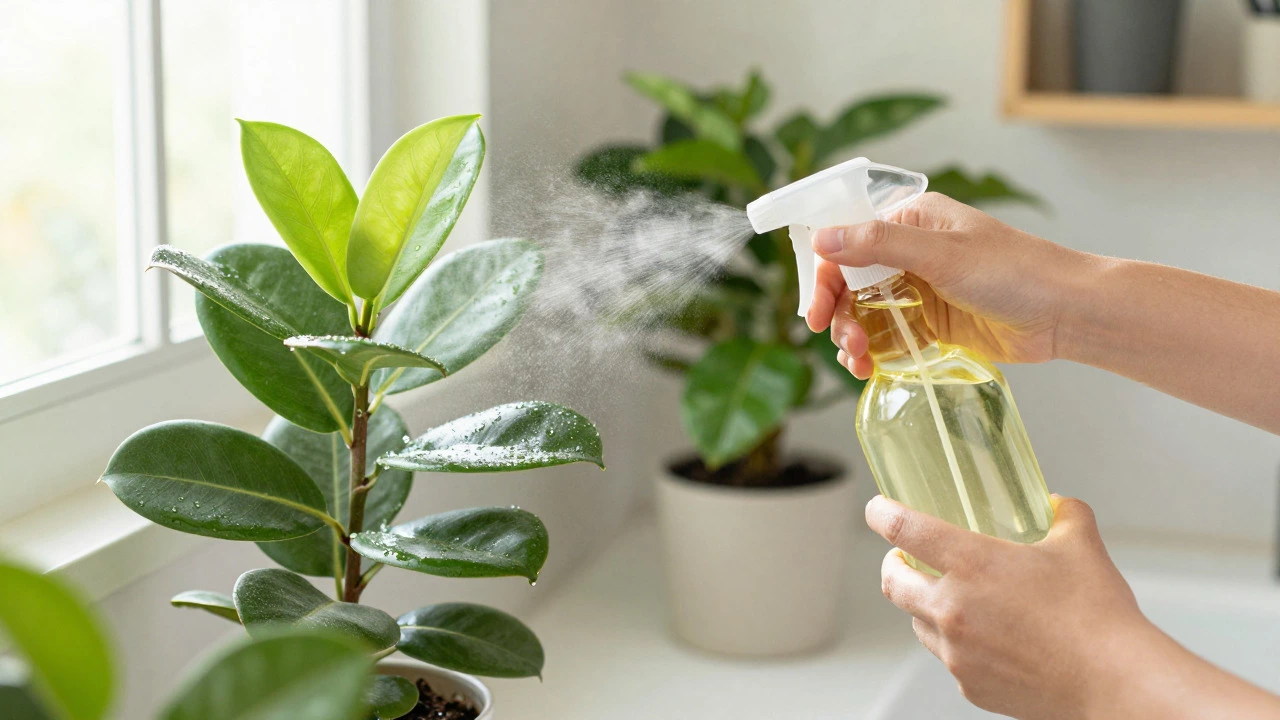
- Apply the Spray: Mist both sides of every leaf until droplets form. Don’t forget the soil surface, as some pests (like fungus gnats) live there. For heavy foliage, consider submerging the entire pot in a bucket of diluted neem solution for 10 minutes.
- Let It Dry: Place the plant in a well-ventilated area out of direct sunlight. Allow the spray to dry completely (usually 30-60 minutes). This prevents leaf burn and ensures the active ingredients settle into crevices.
- Repeat After One Week: Pests have life cycles. Eggs may survive the first treatment. A second application seven days later catches newly hatched nymphs before they mature.
The Quarantine Period: More Than Just a Spray
Spraying is only half the battle. The other half is isolation. Even after treating, keep new plants separate from your existing collection for at least 14 to 21 days. This period allows time for any surviving pests to reveal themselves.
During quarantine, monitor your plant daily. Watch for signs of stress: yellowing leaves, wilting, or unusual spotting. If you see movement, isolate that specific plant further and begin targeted treatment. Remember, different pests require different approaches. Mealybugs need alcohol dabs, while spider mites respond better to wetting agents and neem oil.
Also, consider repotting during this phase. Nursery soil often contains perlite and peat moss that break down quickly, leading to compaction. Fresh, sterile potting mix reduces the risk of introducing soil-borne pathogens like root rot fungi. When repotting, rinse old roots gently and trim any mushy sections.
Common Mistakes to Avoid
Many gardeners rush through this process, leading to failed preventions. Here are pitfalls to sidestep:
- Spraying in Direct Sunlight: Wet leaves act like magnifying glasses, focusing sunlight and burning tissue. Always treat plants in shade or early evening.
- Over-Saturating Soil: Excess moisture encourages fungal growth. Spray foliage, not the pot interior, unless specifically targeting soil pests.
- Using Household Detergents: Regular dish soap contains degreasers and fragrances that strip leaf cuticles. Stick to castile soap or dedicated horticultural soaps.
- Skipping the Second Treatment: One spray rarely eliminates all life stages. Consistency beats intensity.
When to Skip the Spray
Not every plant needs chemical intervention. If you purchase from a reputable local nursery with strict pest management protocols, the risk is lower. Additionally, hardy succulents and cacti are less prone to typical foliar pests. In such cases, a simple wipe-down with a damp cloth and visual inspection may suffice. However, when in doubt, err on the side of caution. The cost of a bottle of neem oil is far less than replacing an entire collection wiped out by scale insects.
Can I use vinegar to spray houseplants before bringing them indoors?
Vinegar is generally too acidic for most houseplants and can damage leaf tissues. While diluted apple cider vinegar (1 tablespoon per litre of water) is sometimes used as a fungicide, it lacks the broad-spectrum insecticidal properties of neem oil or insecticidal soap. Stick to proven botanical pesticides for safer results.
How long should I wait after spraying before bringing the plant inside?
Allow the spray to dry completely, which typically takes 30 to 60 minutes depending on humidity and airflow. Once dry, you can move the plant indoors. However, keep it isolated from other plants for 14-21 days to ensure no hidden pests emerge later.
Is neem oil safe for pets?
Neem oil is considered low-toxicity and generally safe for cats and dogs once fully dried. However, ingestion of large amounts can cause gastrointestinal upset. Apply treatments when pets aren’t nearby and allow adequate drying time before allowing access to the treated area.
Should I remove my plant from its nursery pot before spraying?
You don’t need to remove the plant from its pot to spray foliage. However, removing it allows you to inspect roots and soil more thoroughly. If you plan to repot during quarantine, do so after the initial spray has dried to avoid shocking the plant.
What if I find pests after the quarantine period?
If pests appear post-quarantine, isolate the affected plant immediately. Identify the pest type and apply targeted treatment. Increase monitoring frequency and consider repeating the preventative spray on nearby plants as a precautionary measure.