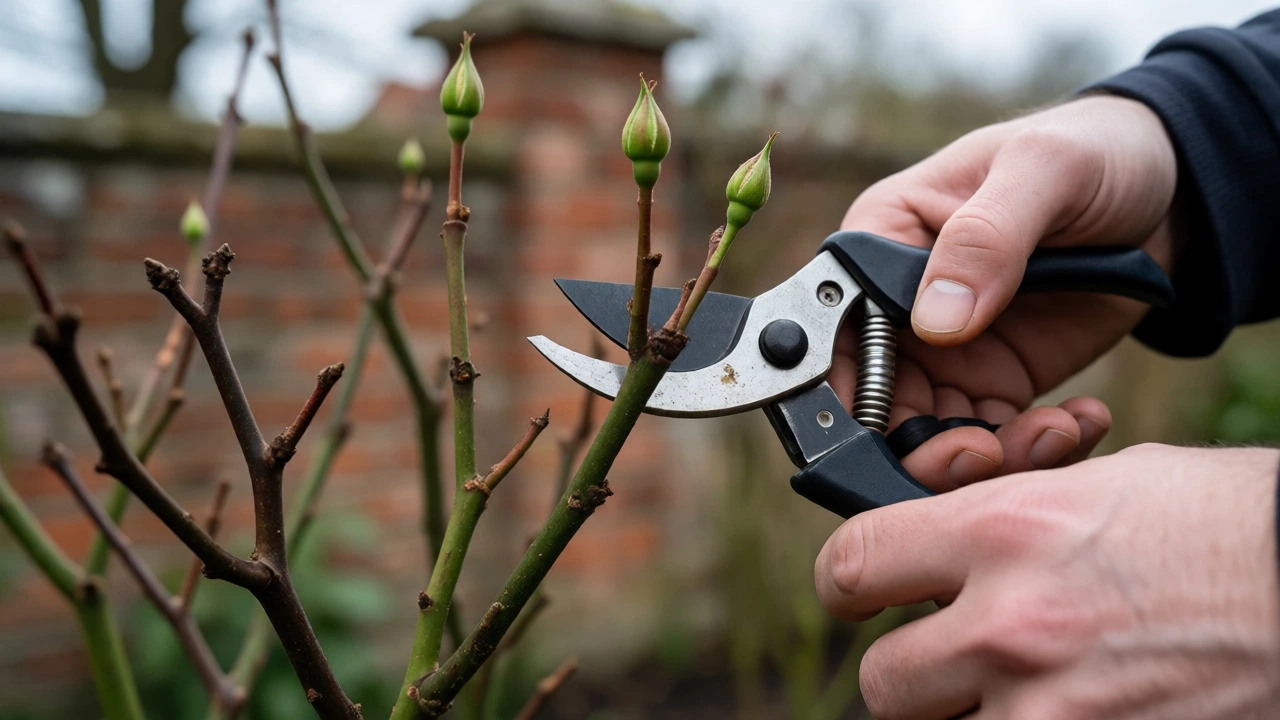
UK Garden Pruning Guide
Select a plant type below to find out when you should prune it according to expert UK gardening advice.
Tip: Always use sharp, clean tools. Remove no more than one-third of living volume in one session.
You’ve bought the secateurs. You’ve got the ladder. But standing in front of your overgrown hydrangea or leggy rose bush, you freeze. The fear isn’t cutting too much; it’s cutting at the wrong time and accidentally killing next year’s blooms. It happens to the best of us. One wrong snip in August can mean no flowers until spring.
Pruning isn’t just about tidying up. It’s a conversation with your plant. When you cut, you tell the plant where to send its energy. Do this right, and you get bigger fruits, denser hedges, and healthier shrubs. Do it wrong, and you invite disease or lose a season’s worth of colour. So, what month do you prune? The honest answer is: it depends on what you’re holding. But there are rules that save you from guesswork.
The Golden Rule: Know Your Plant Type
Before you look at a calendar, look at the plant. Most pruning mistakes happen because people treat all greenery the same. They don’t. Plants fall into two main camps regarding timing: those that flower on old wood (last year’s growth) and those that flower on new wood (this year’s growth).
If your plant flowers on old wood, like lilacs, rhododendrons, or many climbing roses, you must prune immediately after they finish flowering. If you wait until winter, you’ll chop off the buds that were forming all summer. If your plant flowers on new wood, like buddleia, clematis Group 3, or standard hybrid tea roses, you can prune hard in late winter or early spring. This encourages vigorous new shoots that will carry the flowers.
This distinction is the single most important factor in your pruning schedule. Once you know which camp your plant belongs to, the rest is just fine-tuning based on weather and plant health.
Late Winter and Early Spring: The Heavy Lifting Season
For many gardeners, February and March are the busiest months. Why? Because the plants are dormant, but the risk of severe frost damage has passed in most parts of the UK. This is the window for structural pruning-shaping trees, reducing size, and improving airflow.
Deciduous Trees are plants that shed their leaves annually, making their branch structure visible during winter dormancy. Pruning them now allows you to see exactly what you’re doing. You can spot dead branches, crossing limbs, and diseased wood without foliage obscuring the view. For apple and pear trees, this is also the time to train young saplings and renovate older ones. Just avoid pruning stone fruits like plums, cherries, and peaches in winter; they are prone to silver leaf disease and bacterial canker if cut while wet and cold. Save those for mid-summer.
Here’s a quick breakdown for early-season tasks:
- Hedge Trimming: Cut formal hedges like box or yew in late winter before new growth starts. This keeps them dense.
- Summer-Flowering Shrubs: Hard-prune Buddleja davidii (butterfly bush) down to strong framework branches. They respond explosively with long stems covered in flowers by July.
- Grasses: Cut back ornamental grasses like Miscanthus to ground level before new shoots appear. This prevents fire hazards and clears space for fresh growth.
Spring: The Light Touch
As April arrives and the soil warms up, the focus shifts from heavy shaping to light maintenance. This is when you want to encourage growth, not restrict it. Be gentle here. Cutting back too hard in spring can shock plants that are already expending energy pushing out new leaves.
This is the prime time for Clematis is a genus of flowering vines popular for vertical gardening, categorized into three pruning groups based on flowering habits. Specifically, Group 1 Clematis (early large-flowered types) should be pruned lightly after flowering to remove dead stems. Don’t hack them back; just tidy them. Meanwhile, spring-flowering bulbs like daffodils need attention-not pruning, but care. Let the foliage die back naturally. Cutting it early starves the bulb for next year.
If you have evergreen shrubs like camellias or magnolias, wait until after they bloom. These are often sensitive to cold winds, so waiting until the worst frosts are gone protects the new cuts. If you notice frost damage on tender plants like fuchsias or geraniums, wait until you’re certain the danger has passed before cutting away the blackened stems. Patience pays off here; cutting too early might reveal more damage below.
Summer: Maintenance and Fruit Focus
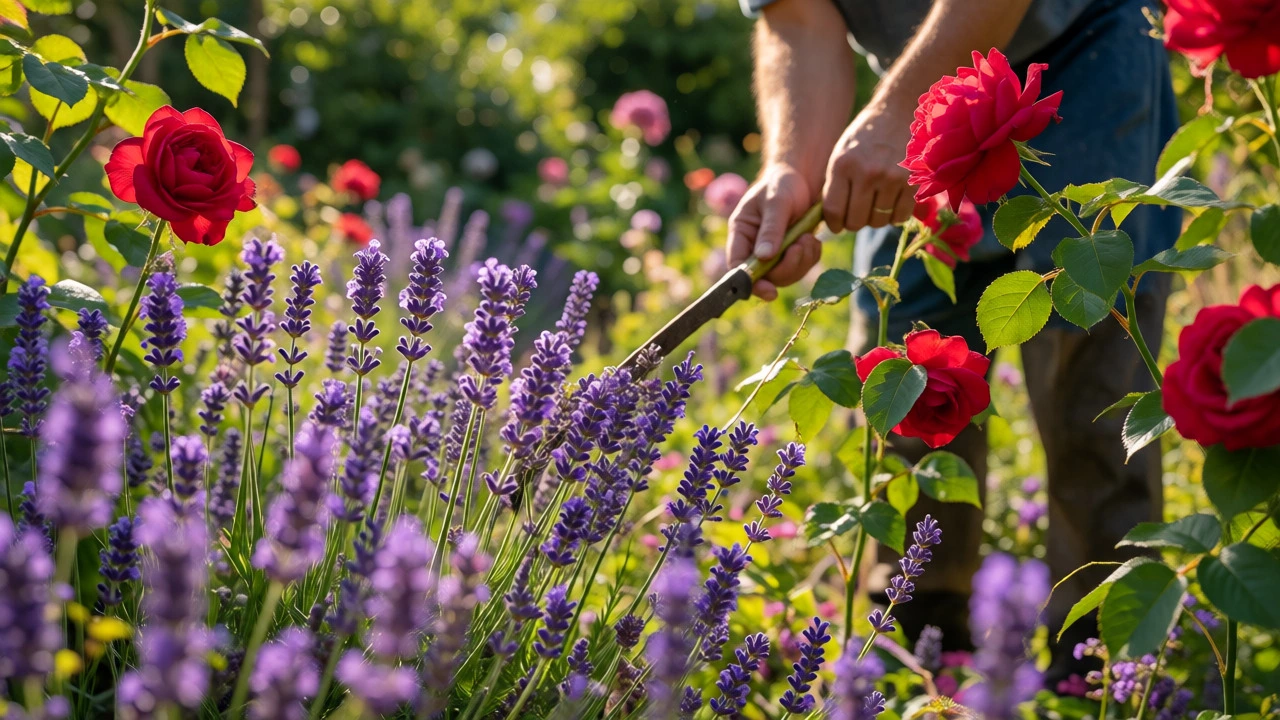
June through August is less about shaping and more about directing energy. This is when you prune fruit trees, harvest herbs, and deadhead perennials to keep the show going.
Stone fruits mentioned earlier? Now is their turn. Plums, cherries, apricots, and peaches should be pruned in mid-summer (July/August). This timing reduces the risk of fungal infections entering the open wounds. Summer pruning also helps control the size of vigorous fruit trees, keeping them manageable and encouraging fruit ripening rather than endless leafy growth.
| Plant Type | Action | Why |
|---|---|---|
| Wisteria | Cut side shoots to 5-6 leaves | Encourages flower bud formation for next spring |
| Roses (Repeat Flowering) | Deadhead spent blooms | Promotes continuous flowering cycle |
| Lavender | Trim lightly after first flush | Prevents woody base and maintains shape |
| Tomatoes | Pinch out side shoots | Directs energy to fruit production |
Be careful with conifers in summer. While you can trim them lightly, avoid cutting into old wood. Conifers generally do not regenerate from bare stems. If you cut back too far into the brown, needle-less interior, you’ll leave permanent bald patches. Stick to the soft, green tips.
Autumn: The Danger Zone
September and October are tricky. Many beginners think autumn is a good time to tidy up because the garden looks messy after summer. Resist the urge to do heavy pruning. Why? Because cuts made in autumn expose the plant to harsh winter conditions. Open wounds heal slowly as temperatures drop, leaving entry points for fungi and bacteria. Additionally, pruning stimulates new growth. Tender new shoots appearing in late autumn won’t harden off before the first frost, leading to dieback.
However, you can still do some work. Remove any dead, damaged, or diseased branches immediately, regardless of the season. Safety comes first. If a branch is cracked or hanging dangerously, take it out. Also, this is a good time to thin out congested areas in deciduous trees once they start dropping leaves, improving air circulation to reduce fungal issues during winter dampness.
Avoid pruning maples and birches in late winter or early spring if possible, but definitely avoid heavy pruning in autumn. These trees bleed sap heavily when cut outside of full dormancy. While usually not fatal, it’s messy and can stress the tree unnecessarily.
Winter: Dormant Deep Clean
November to January is the quietest time for active growth, but it’s crucial for planning and light structural work. In mild winters (common in southern England), you can prune apples and pears if you missed the late winter slot. Just ensure you aren’t working in freezing conditions, as brittle branches snap easily and frozen bark tears.
This is also the time to clean your tools. Dirty secateurs spread disease. Wipe blades with methylated spirits or a disinfectant wipe between plants. Sharpen them so they make clean cuts. A crushed stem heals slower than a sharp slice. Taking ten minutes to maintain your kit now saves hours of struggle later.
Use this downtime to observe your plants. Without leaves, you can see the true form of your shrubs and trees. Mark branches you want to remove next spring with coloured tape. It makes decision-making easier when the sun is out and you’re ready to cut.
Special Cases: Hydrangeas and Roses
Two plants cause more confusion than any others: Hydrangeas and Roses. Let’s clear that up.
Hydrangea macrophylla is a species of flowering plant native to Japan, known for large mophead or lacecap flower clusters whose color changes with soil pH. Most common mophead varieties bloom on old wood. Prune only to remove dead flower heads in spring, just above the first pair of healthy buds. Never cut back hard in autumn or winter, or you’ll lose the blooms. Bigleaf hydrangeas are different-they bloom on new wood, so you can prune them harder in late winter.
Roses depend on type. Bush roses (hybrid teas) benefit from a hard prune in late winter to encourage strong stems. Climbing roses should be trained horizontally along wires or trellises; horizontal training encourages more flowering side shoots. Prune their lateral branches in summer after flowering. Rambling roses flower on old wood, so prune them right after they finish blooming in mid-summer, removing the oldest stems to make way for new ones.
Tools of the Trade
Your success depends partly on your gear. You don’t need expensive equipment, but you do need the right kind.
- Bypass Secateurs: Use these for live wood. The curved blades slide past each other like scissors, making clean cuts. Anvil secateurs crush live stems and are better suited for dead wood.
- Pruning Saw: Essential for branches thicker than your thumb. Look for one with pull-teeth for smoother cuts.
- Loppers: Long-handled secateurs for reaching higher branches without a ladder.
- Gloves: Protect your hands from thorns and blisters. Rose thorns are notorious for causing infection if ignored.
Remember, a sharp tool causes less stress to the plant. Dull blades tear tissue, creating ragged wounds that take longer to seal and are more susceptible to pests.
Frequently Asked Questions
Can I prune any plant anytime?
Generally, no. While you can remove dead or diseased wood year-round, major pruning should follow the plant's natural cycle. Pruning flowering plants at the wrong time can eliminate next year's blooms. Always check the specific requirements for your plant species.
What happens if I prune too early in winter?
Pruning too early, especially in late autumn or early winter, can stimulate new growth that hasn't hardened off. This tender growth is highly susceptible to frost damage, which can kill back the new shoots and potentially harm the whole plant. It also leaves wounds open longer during the wettest part of the year, increasing disease risk.
Do I need to seal pruning cuts?
Most modern arborists advise against sealing cuts with tar or paint. Trees compartmentalize wounds naturally (a process called CODIT). Sealing can trap moisture and pathogens against the wound, actually slowing healing. Exceptions include oak trees (to prevent oak wilt in high-risk areas) and sometimes stone fruits in very wet climates, but generally, let the cut dry naturally.
How much can I prune at once?
A good rule of thumb is never to remove more than one-third of the plant's total living volume in a single session. Removing too much foliage reduces the plant's ability to photosynthesize, stressing it significantly. If a plant is severely overgrown, restore it gradually over two or three years.
Should I prune lavender in autumn?
No, pruning lavender in autumn is risky. New growth stimulated by an autumn cut may not survive the winter cold. Instead, prune lavender lightly after flowering in late summer (August) to maintain shape, and do a harder trim in early spring (March/April) when new green shoots appear, ensuring you don't cut into old, woody stems.